

Toman – Iran
Iran
Context

Material
Weight: 3.29 g
Gold weight: 3.29 g
Shape: Irregular round
Composition: Gold
Magnetic: No
Technique: Hammered
References
KM: #Click to copy to clipboard853
Numista: #472202
Value
Bullion value: $548.68
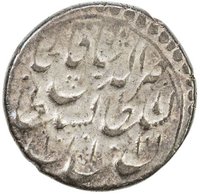
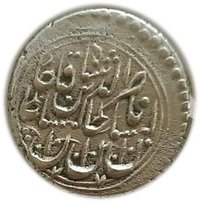
Obverse
Inscription:
السلطان ابن السلطان
ناصرالدین شاه قاجار
ناصرالدین شاه قاجار
Translation:
The Sultan, Son of the Sultan
Nasir al-Din Shah Qajar
Nasir al-Din Shah Qajar
Script: Persian (nastaliq)
Language: Arabic
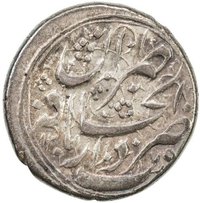
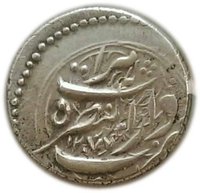
Reverse
Inscription:
ضرب دارالمومنـــین استراباد
۱۲۷۶
۱۲۷۶
Translation:
Struck in Dar al-Mu'minin Astarabad, 1276.
Script: Persian (nastaliq)
Language: Persian
Edge
Mints
| Name | Mark |
|---|---|
| Astarabad | استراباد |
Mintings
| Year | Mint Mark | Mintage | Quality | Collection |
|---|---|---|---|---|
| 1859 | — | — | ||
| 1862 | — | — |
Historical background
In 1859, Iran’s monetary system was in a state of profound disarray, characterized by a chaotic mix of domestic and foreign coinage. The primary unit was the silver qiran (also spelled kran), but its value and silver content were unstable due to repeated debasement by the Qajar government. This was driven by chronic fiscal deficits, costly royal extravagance, and a lack of centralized minting control, leading to significant variations in coin quality between different provincial mints. Concurrently, a multitude of foreign silver coins, particularly the Russian ruble and the British Indian rupee, circulated widely, often preferred in trade for their reliable silver content, further undermining confidence in the domestic currency.
This monetary chaos severely hampered both domestic commerce and international trade. The fluctuating value of the qiran created uncertainty for merchants and complicated tax collection, as the state’s revenue, collected in a depreciating currency, failed to keep pace with its obligations. The situation was exacerbated by Iran’s growing integration into the global economy, notably through the export of silk and other goods, which made the instability more acutely felt. Transactions often required complex money-changing, and the effective bimetallic system (with gold coins like the toman also in use) was subject to volatile exchange rates between gold and silver.
The roots of the crisis lay in structural weaknesses: the absence of a national bank, persistent budget shortfalls, and the government’s reliance on coinage debasement as a short-term revenue solution. While the later 19th century would see attempts at reform, including the establishment of a royal bank and the introduction of standardized coinage, the year 1859 represents a point of deep-seated dysfunction. The currency instability of this era reflected the broader challenges of the Qajar state as it struggled to modernize its finances and maintain sovereignty amidst increasing European economic and political influence.
This monetary chaos severely hampered both domestic commerce and international trade. The fluctuating value of the qiran created uncertainty for merchants and complicated tax collection, as the state’s revenue, collected in a depreciating currency, failed to keep pace with its obligations. The situation was exacerbated by Iran’s growing integration into the global economy, notably through the export of silk and other goods, which made the instability more acutely felt. Transactions often required complex money-changing, and the effective bimetallic system (with gold coins like the toman also in use) was subject to volatile exchange rates between gold and silver.
The roots of the crisis lay in structural weaknesses: the absence of a national bank, persistent budget shortfalls, and the government’s reliance on coinage debasement as a short-term revenue solution. While the later 19th century would see attempts at reform, including the establishment of a royal bank and the introduction of standardized coinage, the year 1859 represents a point of deep-seated dysfunction. The currency instability of this era reflected the broader challenges of the Qajar state as it struggled to modernize its finances and maintain sovereignty amidst increasing European economic and political influence.
✨ Legendary