

1 Rupee – India - British
India
Context
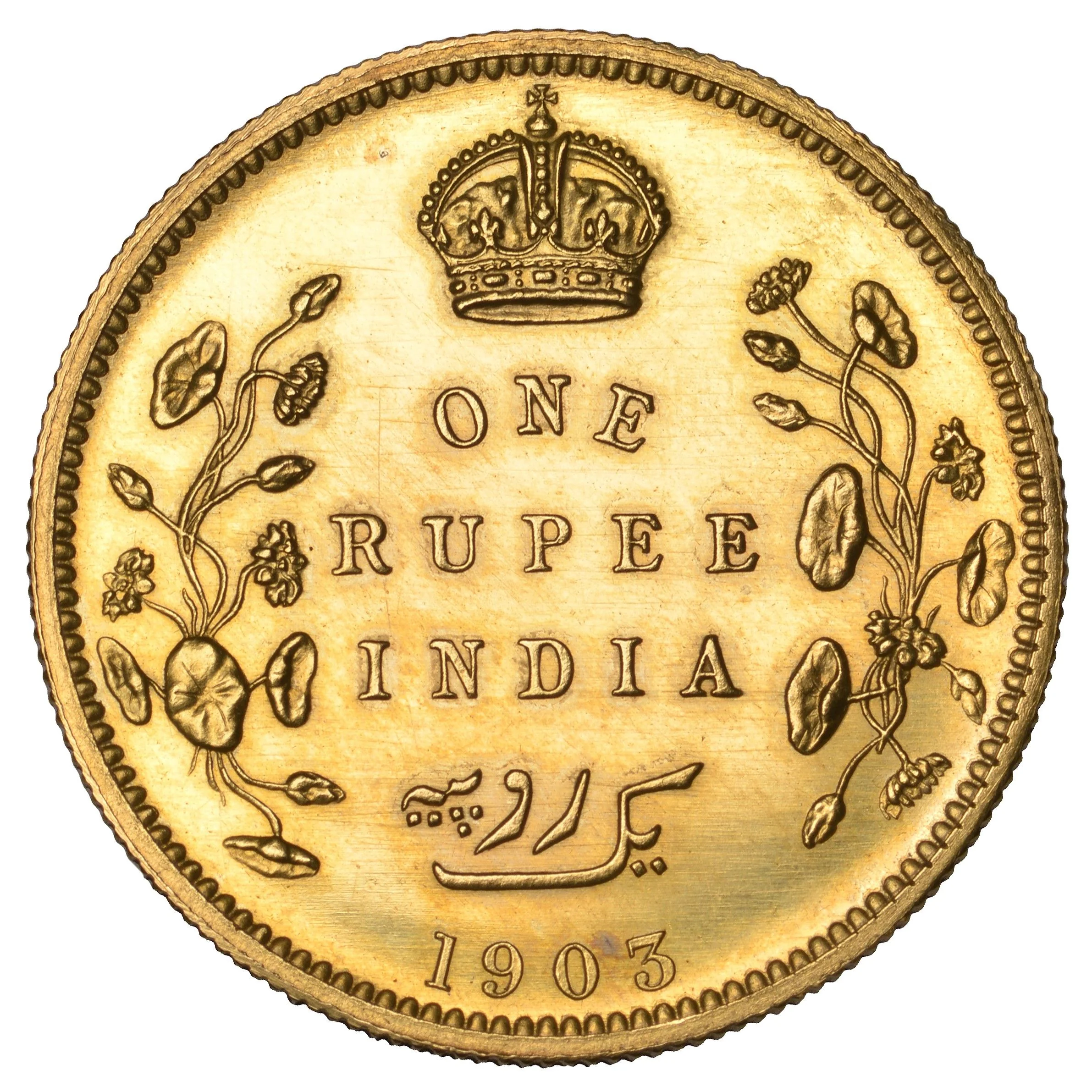
Year: 1903
Country: India 
Issuer: India - British
Ruler: Edward VII
Currency:
(1770—1947)
Demonetized: Yes
Material
References
KM: #Click to copy to clipboardPnA68
Numista: #464558
Value
Bullion value: $2999.94
Obverse
Description:
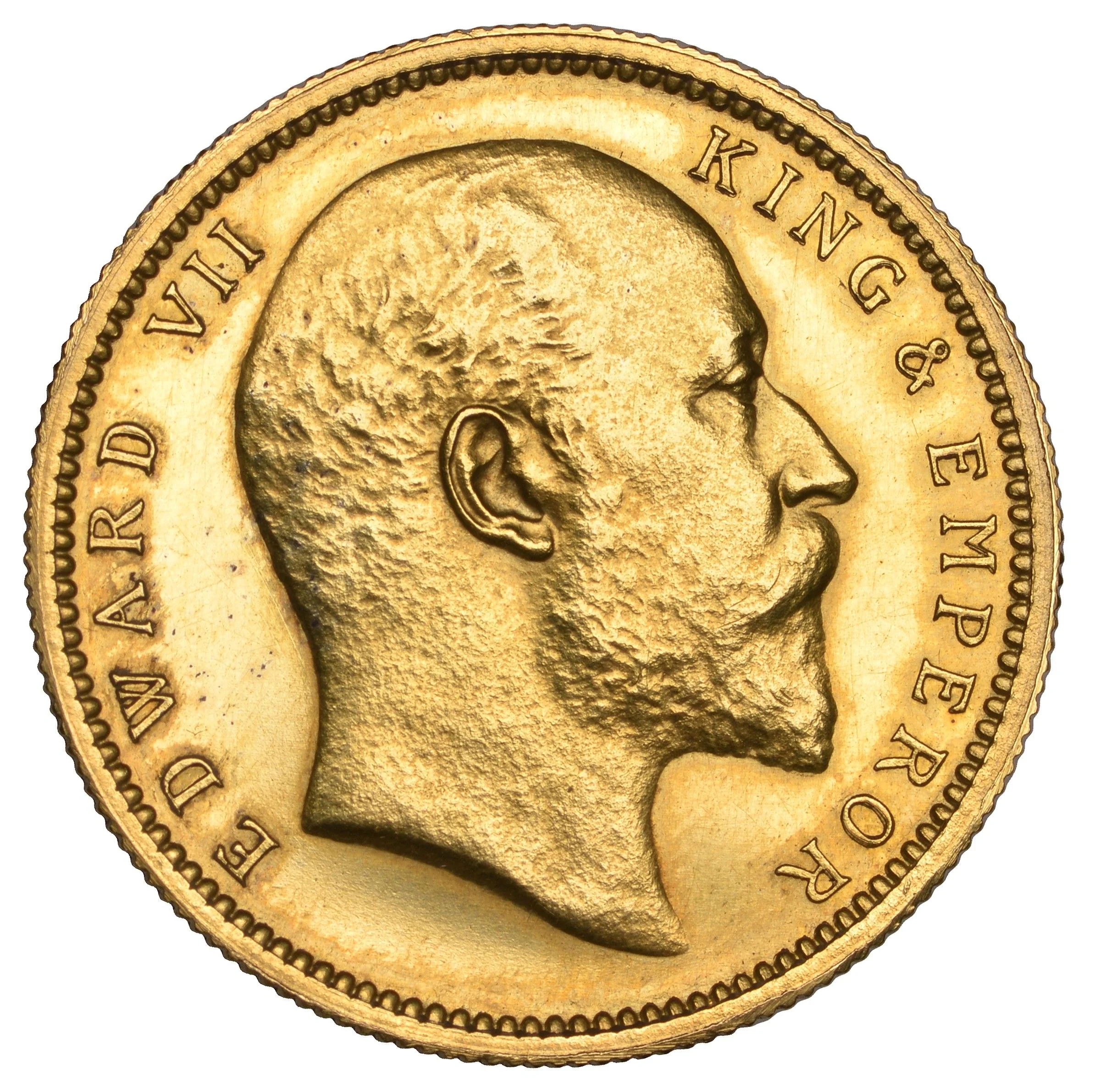
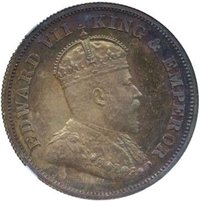
King Edward VII bust right, legend within toothed border.
Inscription:
EDWARD VII KING & EMPEROR
Translation:
EDWARD VII KING & EMPEROR
Script: Latin
Engraver: George William de Saulles
Reverse
Edge
Reeded
Mintings
| Year | Mint Mark | Mintage | Quality | Collection |
|---|---|---|---|---|
| 1903 | — | — |
Historical background
In 1903, the currency system of British India was a complex and managed bimetallic standard, officially tied to both gold and silver but effectively operating on a sterling exchange standard. The foundational Indian Coinage Act of 1893 had closed the government mints to the free coinage of silver, severing the direct link between the silver rupee and its metallic value. This move, known as the "closing of the mints," was a response to the global collapse of silver prices, which had caused the rupee's external value to plummet, creating severe economic instability and a drain on government finances. The rupee's value was now artificially pegged at 1s 4d (one shilling and four pence), or 15 rupees to the British gold sovereign, a rate maintained through active government management of currency circulation.
The system's stability relied on a delicate mechanism controlled by the India Office in London. To obtain rupees, banks and traders had to present sterling bills in London, which the Secretary of State would then use to purchase silver bullion for minting coins in India. This "council bill" system effectively made the rupee a token currency, its supply regulated by demand for remittances to India. While this stabilized exchange rates with Britain and facilitated imperial trade and capital flows, it was often criticized for being deflationary and subjecting the Indian economy to the priorities of British creditors and administrators, with little regard for domestic monetary needs.
Consequently, the currency situation was a source of significant tension. Indian nationalist economists argued the system prioritized British financial interests, extracting wealth through a "home charges" drain while causing periodic liquidity crises within India. The government held substantial gold reserves in London as a guarantee, but the rupee remained a silver coin in daily use. Thus, in 1903, the currency was in a transitional, managed state—no longer a traditional silver standard, not yet a full gold standard, but a colonial sterling-exchange standard designed above all to ensure efficient fiscal transfer and commercial integration with the British Empire.
The system's stability relied on a delicate mechanism controlled by the India Office in London. To obtain rupees, banks and traders had to present sterling bills in London, which the Secretary of State would then use to purchase silver bullion for minting coins in India. This "council bill" system effectively made the rupee a token currency, its supply regulated by demand for remittances to India. While this stabilized exchange rates with Britain and facilitated imperial trade and capital flows, it was often criticized for being deflationary and subjecting the Indian economy to the priorities of British creditors and administrators, with little regard for domestic monetary needs.
Consequently, the currency situation was a source of significant tension. Indian nationalist economists argued the system prioritized British financial interests, extracting wealth through a "home charges" drain while causing periodic liquidity crises within India. The government held substantial gold reserves in London as a guarantee, but the rupee remained a silver coin in daily use. Thus, in 1903, the currency was in a transitional, managed state—no longer a traditional silver standard, not yet a full gold standard, but a colonial sterling-exchange standard designed above all to ensure efficient fiscal transfer and commercial integration with the British Empire.
✨ Legendary