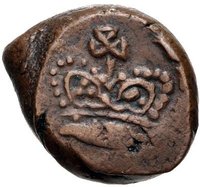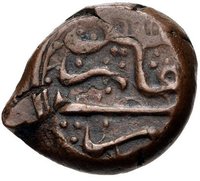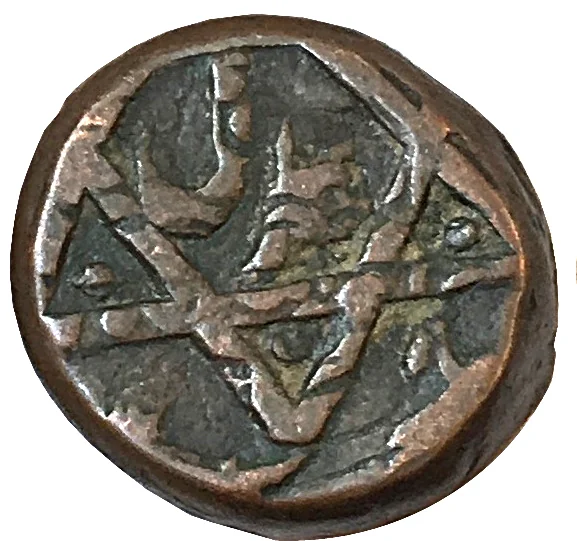
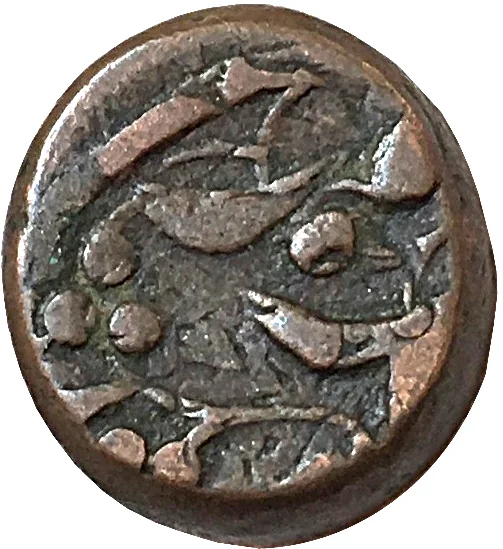
In 1879, the currency situation in Qandahar was one of profound instability and complexity, reflecting the city's turbulent political position. The Second Anglo-Afghan War (1878-1880) was underway, and British Indian forces had occupied the city since January 1879, displacing the ruling Barakzai dynasty's authority. This created a monetary environment where multiple currencies circulated without a central guarantor. The Indian rupee, introduced by the occupying British-Indian troops, became a dominant medium for official transactions and military procurement, but it competed with existing Afghan rupees and smaller denominations like abbasis.
The pre-existing Afghan currency, minted in the names of former rulers like Sher Ali Khan, remained in widespread use among the local population, but its value was highly volatile. Confidence in these coins was low due to the collapse of central authority and fears of further political upheaval. Furthermore, the traditional bazaar economy saw the continued use of older Persian and Bukharan coins, as well as barter for essential goods, as people hedged against the uncertainty of any single currency's future.
Ultimately, the currency chaos in Qandahar in 1879 was a direct symptom of war and occupation. The simultaneous circulation of British Indian, current Afghan, and historic regional coins created a confusing and inefficient system where exchange rates fluctuated based on rumour and military fortunes. This monetary fragmentation would only begin to resolve after the war's conclusion and the re-establishment of Emir Abdur Rahman Khan's central authority, who would later implement significant currency reforms across Afghanistan.