

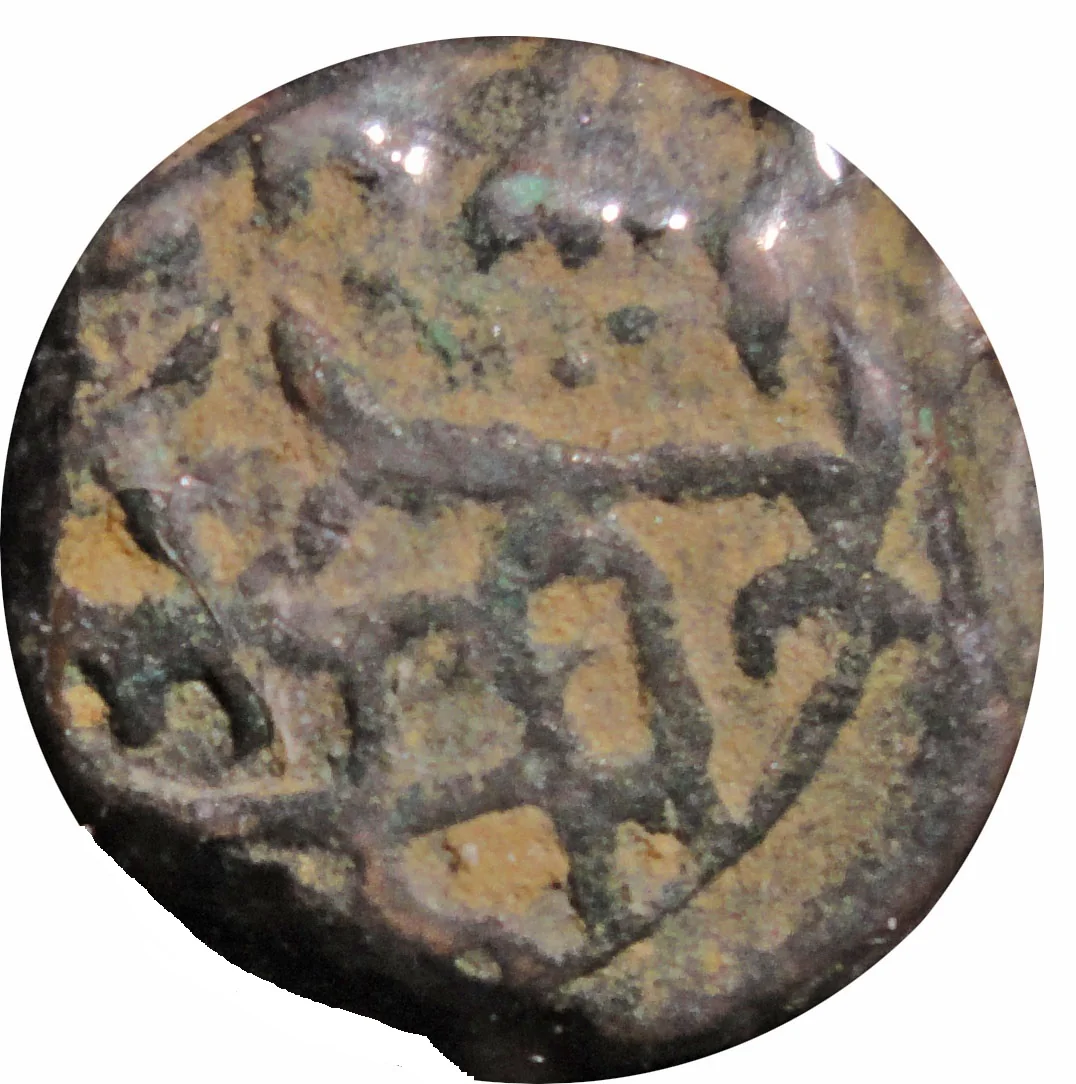
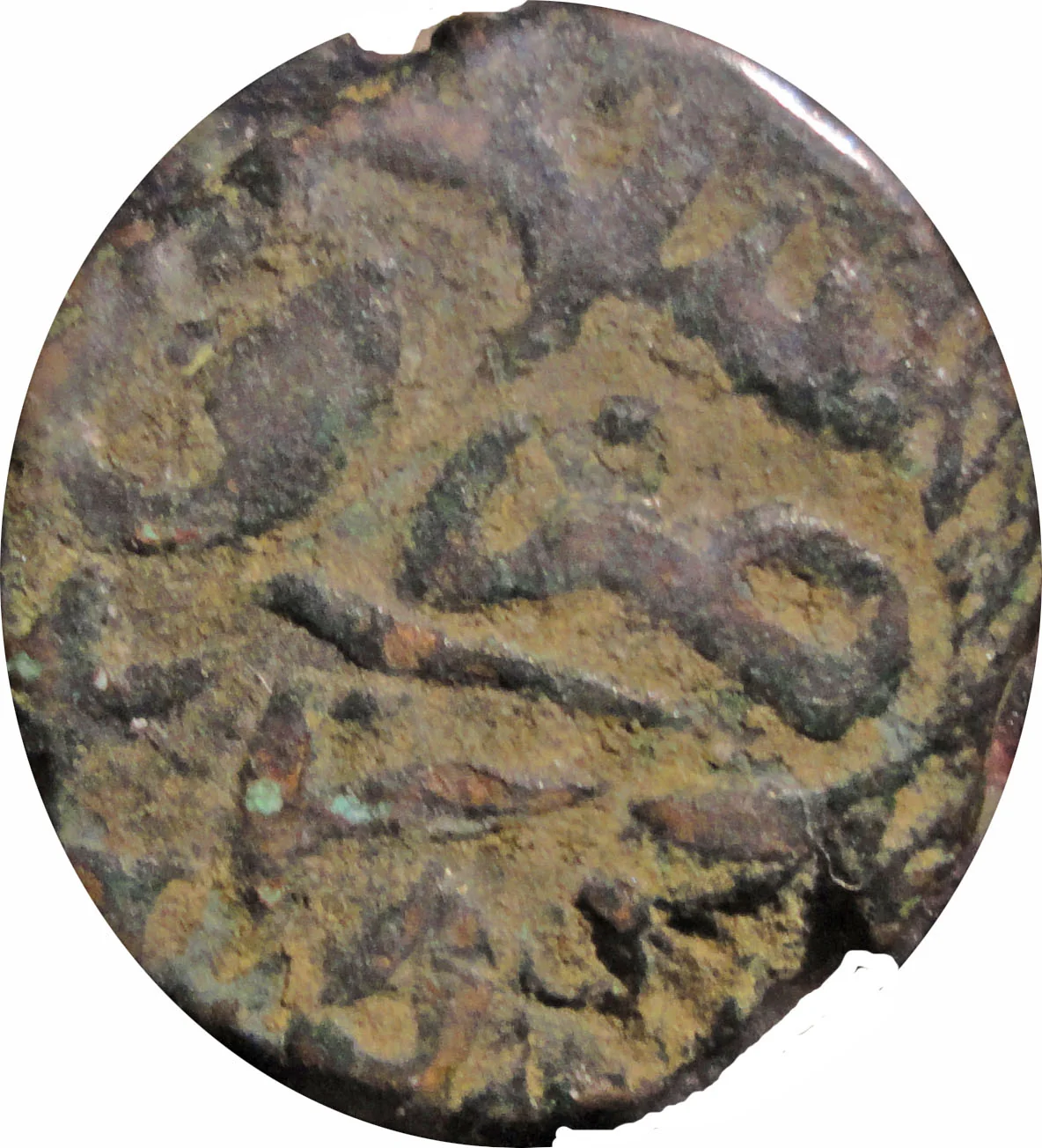
Mintings
| Year | Mint Mark | Mintage | Quality | Collection |
|---|---|---|---|---|
| 1840 | — | — |
Historical background
In 1840, the currency situation within the Kashmir Sultanate, then under the rule of the Sikh Empire of Maharaja Ranjit Singh, was characterized by monetary fragmentation and debasement. The Sikh administration, which had annexed Kashmir in 1819, did not impose a unified coinage system. Instead, they continued the existing Mughal and Afghan monetary practices, leading to a circulation of diverse, older coins alongside new, locally minted issues. The primary silver coin in use was the Kashmiri rupee, but its weight and purity were often inferior to the standard Sikh rupee of Lahore, causing economic dislocation and facilitating exploitation by corrupt officials.
The local mint in Srinagar produced coins under the authority of the Sikh governors. These coins typically bore Persian inscriptions, referencing the Sikh sovereign but often omitting his image in deference to local Islamic sensibilities. Alongside these, older Mughal rupees, Afghan coins, and even foreign currencies like the Maria Theresa thaler from trade with Central Asia circulated, creating a complex and unreliable monetary environment. The chronic shortage of specie (coinage) was exacerbated by heavy taxation and the extraction of wealth from the valley to the Sikh treasury in Lahore, which stifled commerce and contributed to widespread poverty.
This unstable currency regime reflected the Sultanate's loss of true sovereignty and its status as a distressed province under extractive foreign rule. The debased and heterogeneous coinage hindered trade, complicated revenue collection, and was a symptom of the broader economic decline Kashmir experienced during this period. The situation would persist until the region came under the administration of the Dogra dynasty following the First Anglo-Sikh War (1845-46), which began the process of imposing a more uniform, if still problematic, monetary system.
The local mint in Srinagar produced coins under the authority of the Sikh governors. These coins typically bore Persian inscriptions, referencing the Sikh sovereign but often omitting his image in deference to local Islamic sensibilities. Alongside these, older Mughal rupees, Afghan coins, and even foreign currencies like the Maria Theresa thaler from trade with Central Asia circulated, creating a complex and unreliable monetary environment. The chronic shortage of specie (coinage) was exacerbated by heavy taxation and the extraction of wealth from the valley to the Sikh treasury in Lahore, which stifled commerce and contributed to widespread poverty.
This unstable currency regime reflected the Sultanate's loss of true sovereignty and its status as a distressed province under extractive foreign rule. The debased and heterogeneous coinage hindered trade, complicated revenue collection, and was a symptom of the broader economic decline Kashmir experienced during this period. The situation would persist until the region came under the administration of the Dogra dynasty following the First Anglo-Sikh War (1845-46), which began the process of imposing a more uniform, if still problematic, monetary system.
✨ Legendary