

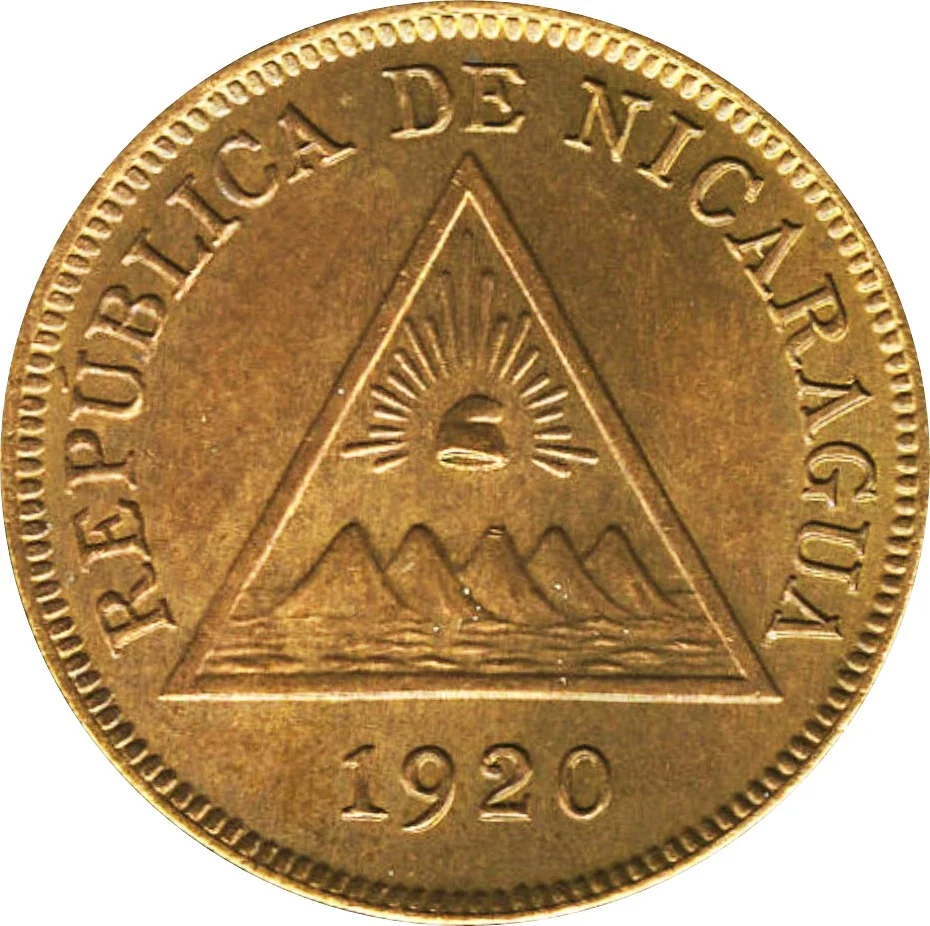
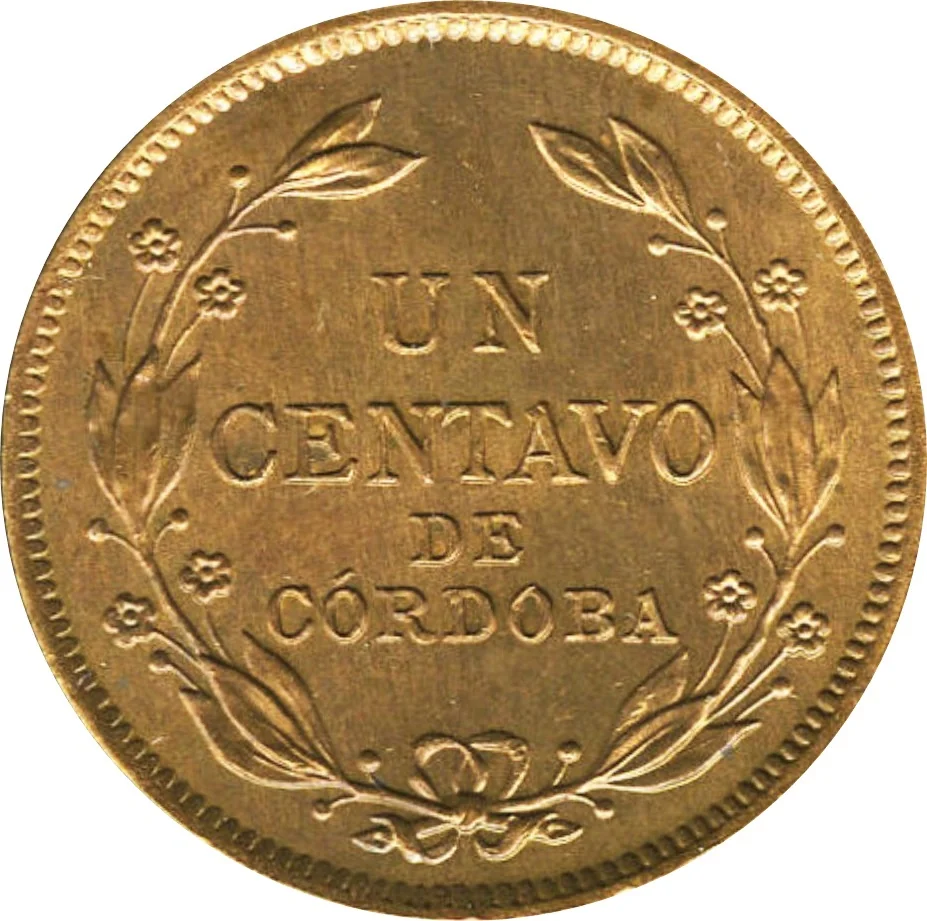
1 Centavo de Córdoba – Nicaragua
Nicaragua
Context
Years: 1912–1940
Issuer: Nicaragua 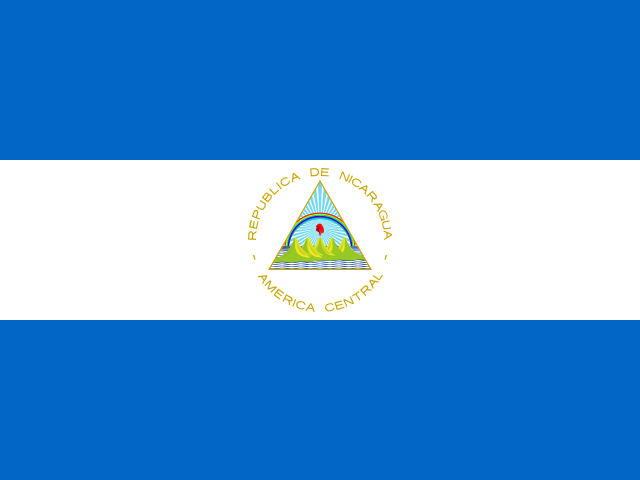
Issuing organization: National Bank of Nicaragua
Period:
(since 1854)
Currency:
(1912—1987)
Demonetization: 15 February 1988
Total mintage: 12,400,000
Material
References
KM: #Click to copy to clipboard11
Numista: #4339
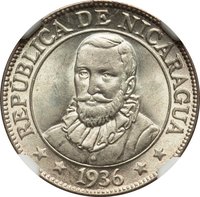
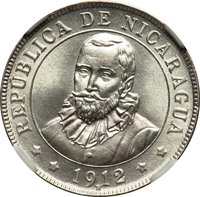
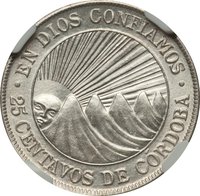
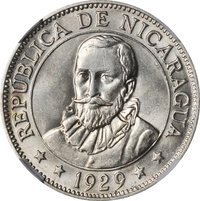
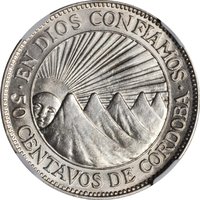
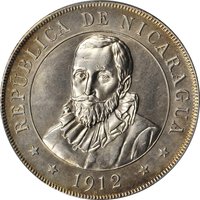
Obverse
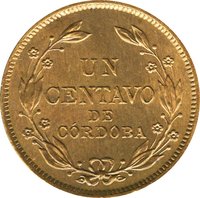
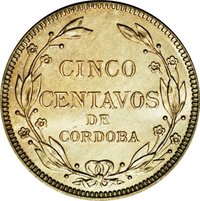
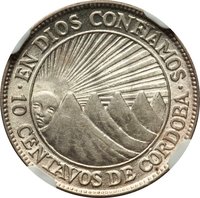
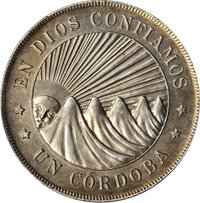
Reverse
Edge
Plain
Categories
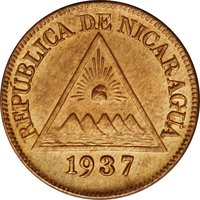
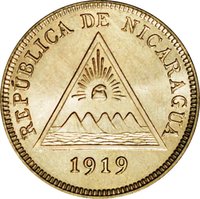
| Symbols> Coat of Arms |
| Symbol> Wreath |
Mintings
| Year | Mint Mark | Mintage | Quality | Collection |
|---|---|---|---|---|
| 1912 | H | 450,000 | ||
| 1912 | H | — | Proof | |
| 1914 | H | 300,000 | ||
| 1915 | H | 500,000 | ||
| 1916 | H | 450,000 | ||
| 1917 | — | 450,000 | ||
| 1919 | — | 750,000 | ||
| 1920 | — | 700,000 | ||
| 1922 | — | 500,000 | ||
| 1924 | — | 300,000 | ||
| 1927 | — | 250,000 | ||
| 1928 | — | 500,000 | ||
| 1929 | — | 500,000 | ||
| 1930 | — | 250,000 | ||
| 1934 | — | 500,000 | ||
| 1935 | — | 500,000 | ||
| 1936 | — | 500,000 | ||
| 1937 | — | 1,000,000 | ||
| 1938 | — | 2,000,000 | ||
| 1940 | — | 2,000,000 |
Historical background
In 1912, Nicaragua’s currency situation was characterized by profound instability and foreign intervention, reflecting the country's turbulent political and economic state. Following decades of internal conflict and liberal-conservative wars, the national economy was weak, and the monetary system was chaotic. The country lacked a unified, trusted currency; instead, a confusing mix of Nicaraguan silver pesos, fractional coinage, and various foreign currencies, particularly U.S. gold dollars and British sovereigns, circulated at fluctuating values. This disorder severely hampered commerce and state finances, as the government struggled to collect taxes and pay its debts in a reliable medium of exchange.
The core of this monetary crisis was Nicaragua's overwhelming foreign debt, primarily owed to British and American bankers. Defaults on these obligations had previously prompted direct U.S. economic intervention, most notably through the 1911 Knox-Castrillo Convention. This treaty, which was being ratified and implemented in 1912, established U.S. control over Nicaraguan customs receipts and created a Mixed Claims Commission to settle foreign debts. As a key part of this financial overhaul, plans were advanced for the creation of a new, U.S.-backed national bank—the National Bank of Nicaragua—which would issue a stable, gold-backed currency to replace the chaotic existing system.
The political and military upheaval of 1912 itself, which culminated in a U.S. Marine intervention to prop up the conservative Adolfo Díaz government against a liberal rebellion, directly stemmed from this financial dependency. The U.S. action was justified, in part, to protect the nascent financial arrangements and ensure debt repayment to American creditors. Therefore, the currency situation of 1912 cannot be separated from the broader reality of dollar diplomacy; monetary reform was a tool for establishing U.S. economic and political hegemony. By year's end, with the rebellion suppressed and a treaty ratified, Nicaragua’s fiscal sovereignty was largely ceded to Washington, setting the stage for the formal introduction of a new U.S.-supervised gold córdoba in 1913.
The core of this monetary crisis was Nicaragua's overwhelming foreign debt, primarily owed to British and American bankers. Defaults on these obligations had previously prompted direct U.S. economic intervention, most notably through the 1911 Knox-Castrillo Convention. This treaty, which was being ratified and implemented in 1912, established U.S. control over Nicaraguan customs receipts and created a Mixed Claims Commission to settle foreign debts. As a key part of this financial overhaul, plans were advanced for the creation of a new, U.S.-backed national bank—the National Bank of Nicaragua—which would issue a stable, gold-backed currency to replace the chaotic existing system.
The political and military upheaval of 1912 itself, which culminated in a U.S. Marine intervention to prop up the conservative Adolfo Díaz government against a liberal rebellion, directly stemmed from this financial dependency. The U.S. action was justified, in part, to protect the nascent financial arrangements and ensure debt repayment to American creditors. Therefore, the currency situation of 1912 cannot be separated from the broader reality of dollar diplomacy; monetary reform was a tool for establishing U.S. economic and political hegemony. By year's end, with the rebellion suppressed and a treaty ratified, Nicaragua’s fiscal sovereignty was largely ceded to Washington, setting the stage for the formal introduction of a new U.S.-supervised gold córdoba in 1913.
Series: 1912 Series
🌱 Common