

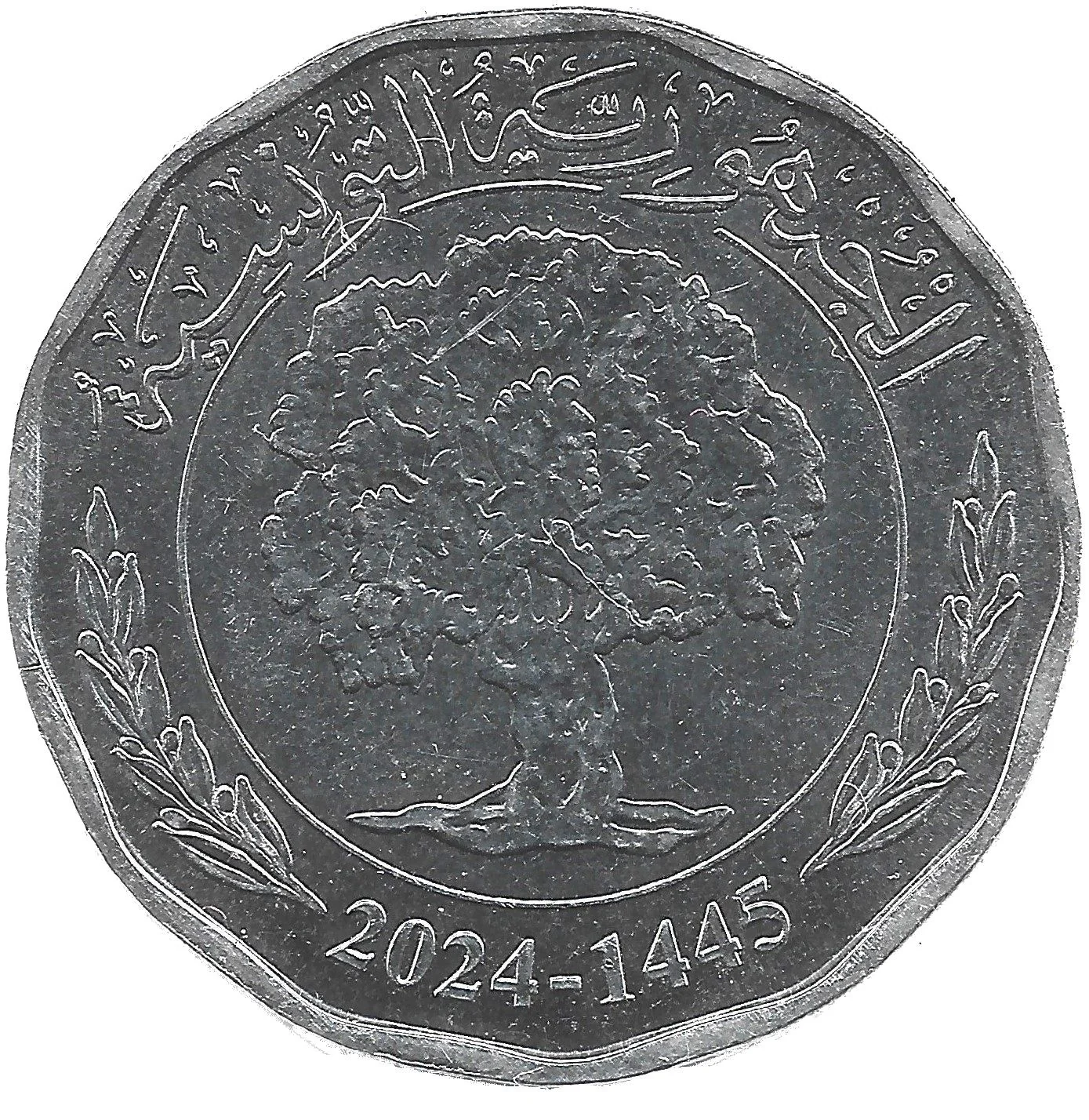
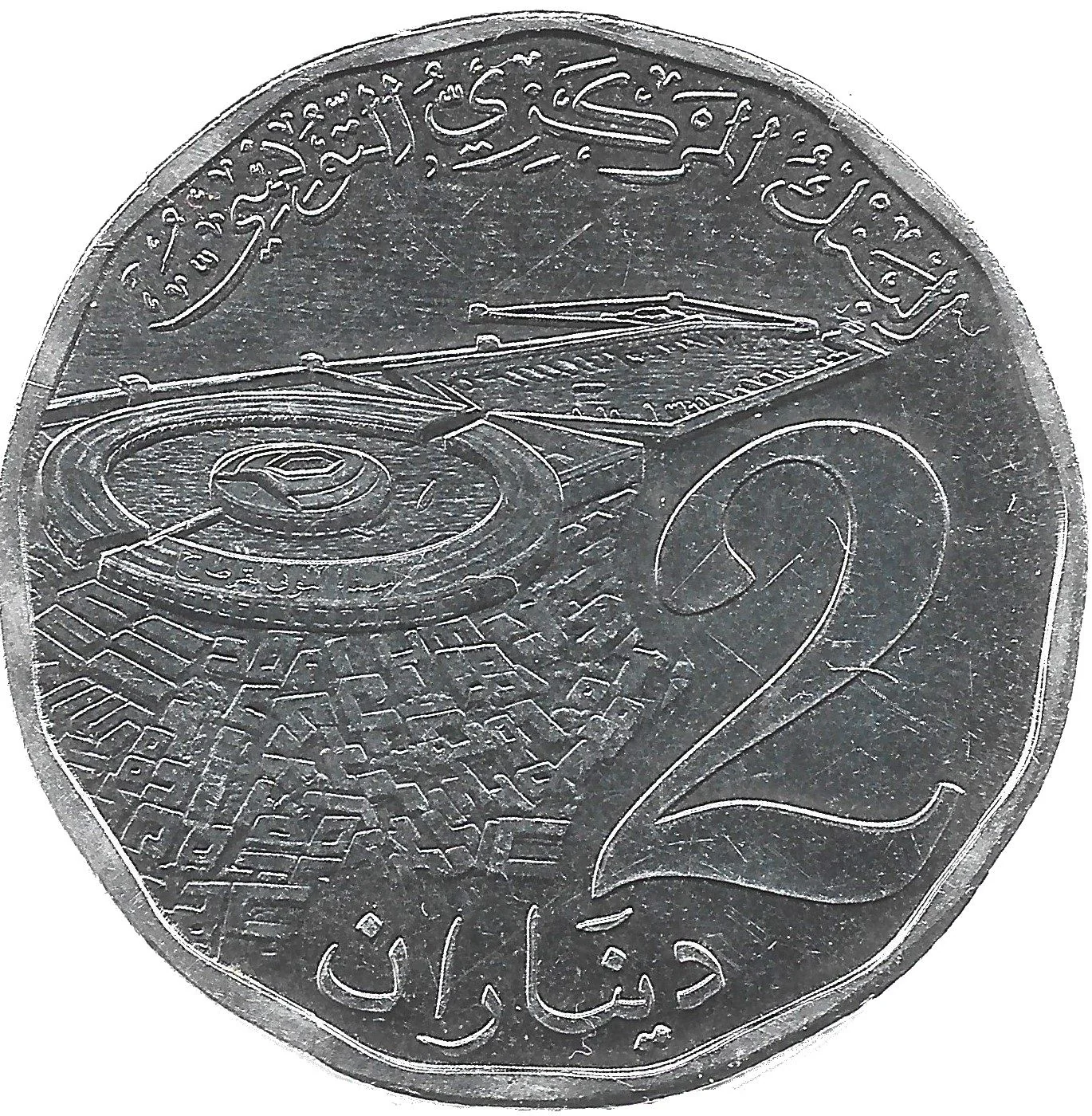
2 dinars – Tunisia
Add to wishlist
Tunisia
Context
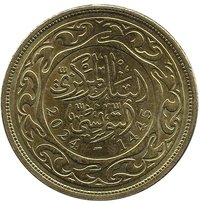
Year: 2024
Islamic (Hijri) Year:: 1445
Issuer: Tunisia
Issuing organization: Central Bank of Tunisia
Period:
(since 1957)
Currency:
(since 1958)
Material
Diameter: 29.4 mm
Weight: 9.6 g
Thickness: 1.9 mm
Shape: Tridecagonal
Magnetic: Yes
Technique: Milled
Alignment: Coin alignment
flip
References
KM: #
Numista: #428253
Value
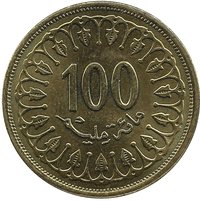
Exchange value: 2 TND
Obverse
Reverse
Edge
Interrupted milling
Mintings
| Year | Mint Mark | Mintage | Quality | Collection |
|---|---|---|---|---|
| 2024 | — | — |
Historical background
In 2024, Tunisia continues to grapple with a severe currency crisis rooted in long-standing structural economic problems. The Tunisian dinar has faced sustained depreciation for over a decade, losing significant value against major currencies like the US dollar and the euro. This decline is driven by chronic trade and budget deficits, a heavy reliance on imports (particularly food and energy), dwindling foreign currency reserves, and the delayed implementation of reforms sought by the International Monetary Fund (IMF) for a crucial bailout loan. The situation is exacerbated by a challenging political climate, which has stalled decisive economic action.
The depreciation has direct and painful consequences for everyday life. It has fueled persistent inflation, raising the cost of essential imported goods, from staple foods to medicine and fuel. This erodes purchasing power and increases social strain, particularly for lower-income households. Furthermore, the scarcity of foreign currency has led to strict import restrictions, causing shortages of key commodities like certain medicines, raw materials for industry, and even soft drinks, disrupting both consumption and local production that relies on imported components.
Authorities have maintained a heavily managed exchange rate regime, but a growing black market for foreign currency thrives, where the dinar trades at a significantly worse rate than the official one. The government's efforts to secure the IMF deal, which would unlock funding and potentially restore some investor confidence, remain stalled as of mid-2024 due to disagreements over subsidy cuts and public sector reforms. Consequently, without a major breakthrough, Tunisia's currency instability is expected to persist, acting as a major brake on economic growth and social stability.
The depreciation has direct and painful consequences for everyday life. It has fueled persistent inflation, raising the cost of essential imported goods, from staple foods to medicine and fuel. This erodes purchasing power and increases social strain, particularly for lower-income households. Furthermore, the scarcity of foreign currency has led to strict import restrictions, causing shortages of key commodities like certain medicines, raw materials for industry, and even soft drinks, disrupting both consumption and local production that relies on imported components.
Authorities have maintained a heavily managed exchange rate regime, but a growing black market for foreign currency thrives, where the dinar trades at a significantly worse rate than the official one. The government's efforts to secure the IMF deal, which would unlock funding and potentially restore some investor confidence, remain stalled as of mid-2024 due to disagreements over subsidy cuts and public sector reforms. Consequently, without a major breakthrough, Tunisia's currency instability is expected to persist, acting as a major brake on economic growth and social stability.
⭐ Rare