

6 Euro – Croatia
Non-circulating coins
Commemoration: Island of Susak
Croatia
Context
Material
References
KM: #Click to copy to clipboard163
Numista: #426318
Value
Exchange value: 6 EUR = $7.07
Bullion value: $174.52
Obverse
Description:
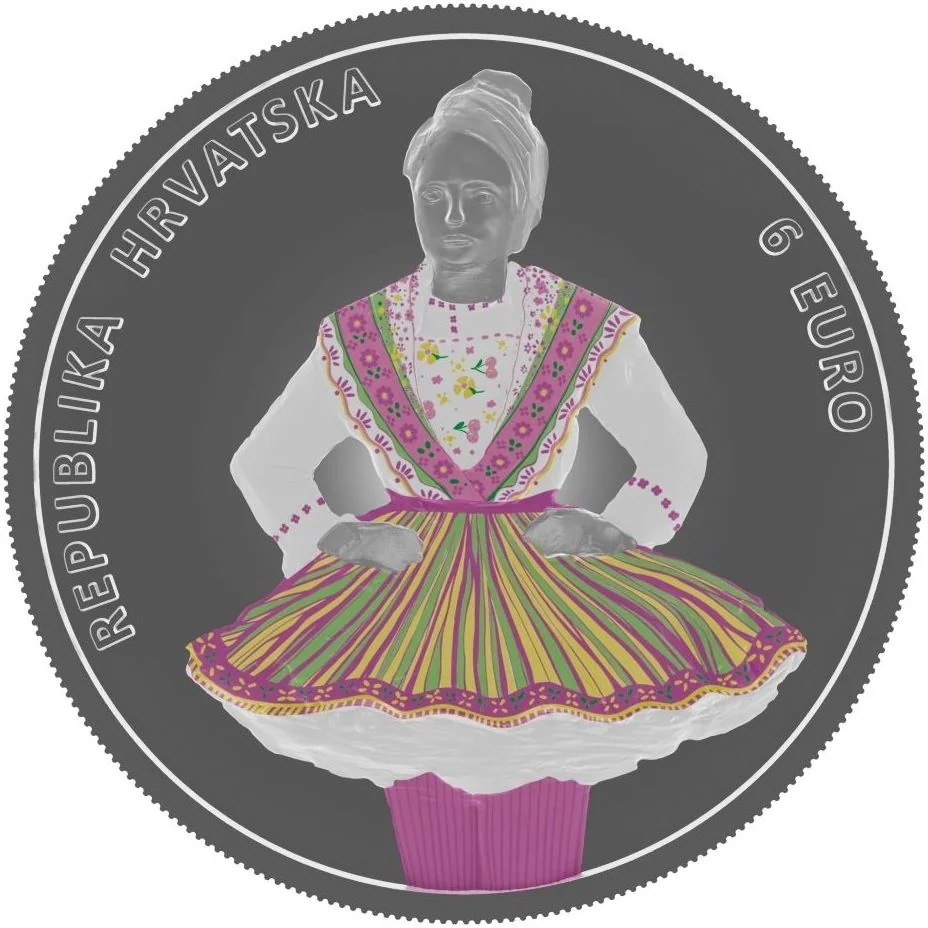
Woman in traditional Susak dress.
Inscription:
REPUBLIKA HRVATSKA
6 EURO
6 EURO
Translation:
REPUBLIC OF CROATIA
6 EURO
6 EURO
Script: Latin
Language: Croatian
Designer: Paula Banić Vudrag
Reverse
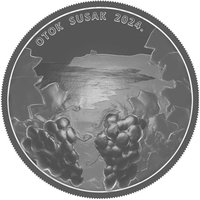
Description:
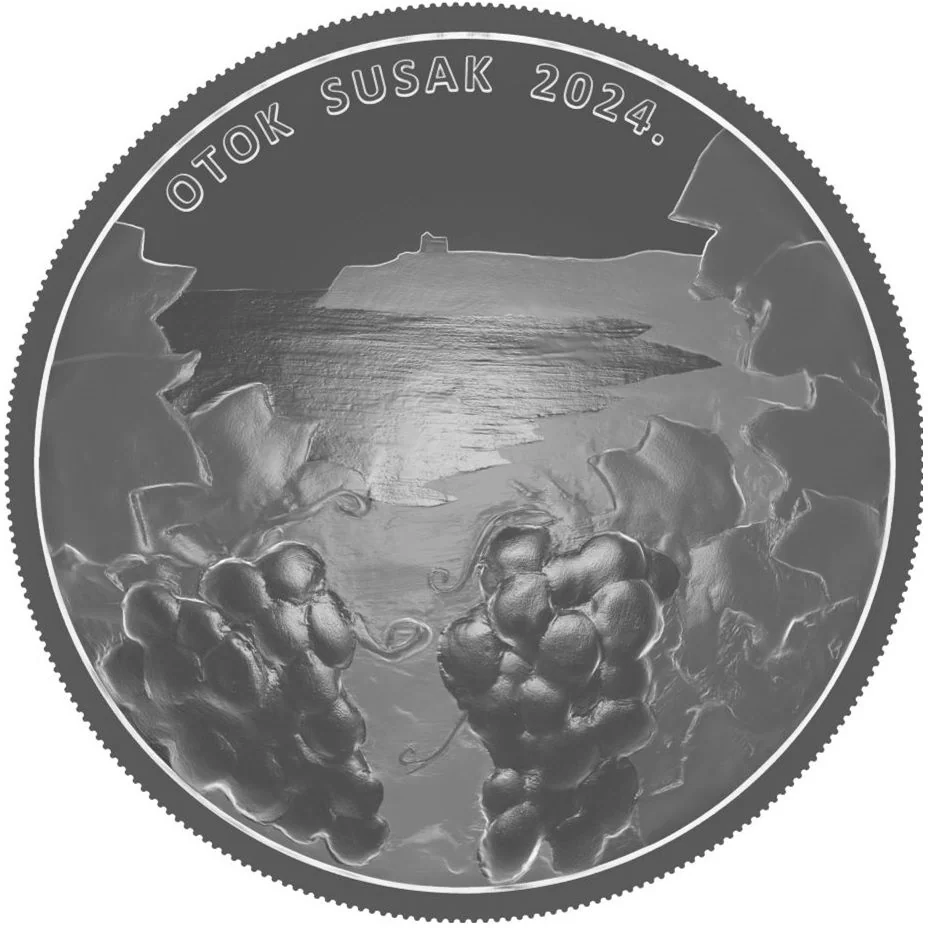
Map of Susak Island and Cape Darto with chapel.
Inscription:
OTOK SUSAK
2024.
2024.
Translation:
Island of Susak
2024.
2024.
Script: Latin
Language: Croatian
Designer: Paula Banić Vudrag
Edge
Reeded
Mints
| Name | Mark |
|---|---|
| Croatian Mint | — |
Mintings
| Year | Mint Mark | Mintage | Quality | Collection |
|---|---|---|---|---|
| 2024 | — | 400 | BU |
Historical background
In 2024, Croatia's currency situation is defined by its historic transition from the kuna (HRK) to the euro (EUR), which it successfully adopted on January 1, 2023. As a full member of the Eurozone, the country no longer has an independent monetary policy, as it is now set by the European Central Bank (ECB). The primary focus in 2024 is on managing the post-adoption phase, which involves continued monitoring of price level adjustments and ensuring public confidence in the new currency, though the dual display of prices (in both euros and kunas) officially ended at the end of 2023.
The adoption has brought significant stability and reduced exchange rate risks for the import-dependent Croatian economy, lowering transaction costs and boosting investor confidence. However, a persistent challenge in 2024 remains public perception regarding inflation. While statistical analyses largely attribute post-2023 price increases to broader European energy and geopolitical crises rather than the conversion itself, many citizens psychologically associate the switch with a general rise in the cost of living, a phenomenon common in euro transitions known as "price rounding up."
Looking ahead, Croatia's key monetary objectives for 2024 are fully aligned with Eurozone goals: maintaining price stability and navigating high ECB interest rates designed to combat euro-area inflation. The country benefits from reduced borrowing costs and deeper financial integration but must also contend with the loss of the kuna as a potential adjustment tool during economic shocks. Ultimately, Croatia's currency landscape is now one of a consolidated Eurozone member, with its economic policy focus shifting firmly to fiscal discipline and structural reforms within the single currency framework.
The adoption has brought significant stability and reduced exchange rate risks for the import-dependent Croatian economy, lowering transaction costs and boosting investor confidence. However, a persistent challenge in 2024 remains public perception regarding inflation. While statistical analyses largely attribute post-2023 price increases to broader European energy and geopolitical crises rather than the conversion itself, many citizens psychologically associate the switch with a general rise in the cost of living, a phenomenon common in euro transitions known as "price rounding up."
Looking ahead, Croatia's key monetary objectives for 2024 are fully aligned with Eurozone goals: maintaining price stability and navigating high ECB interest rates designed to combat euro-area inflation. The country benefits from reduced borrowing costs and deeper financial integration but must also contend with the loss of the kuna as a potential adjustment tool during economic shocks. Ultimately, Croatia's currency landscape is now one of a consolidated Eurozone member, with its economic policy focus shifting firmly to fiscal discipline and structural reforms within the single currency framework.
✨ Legendary