

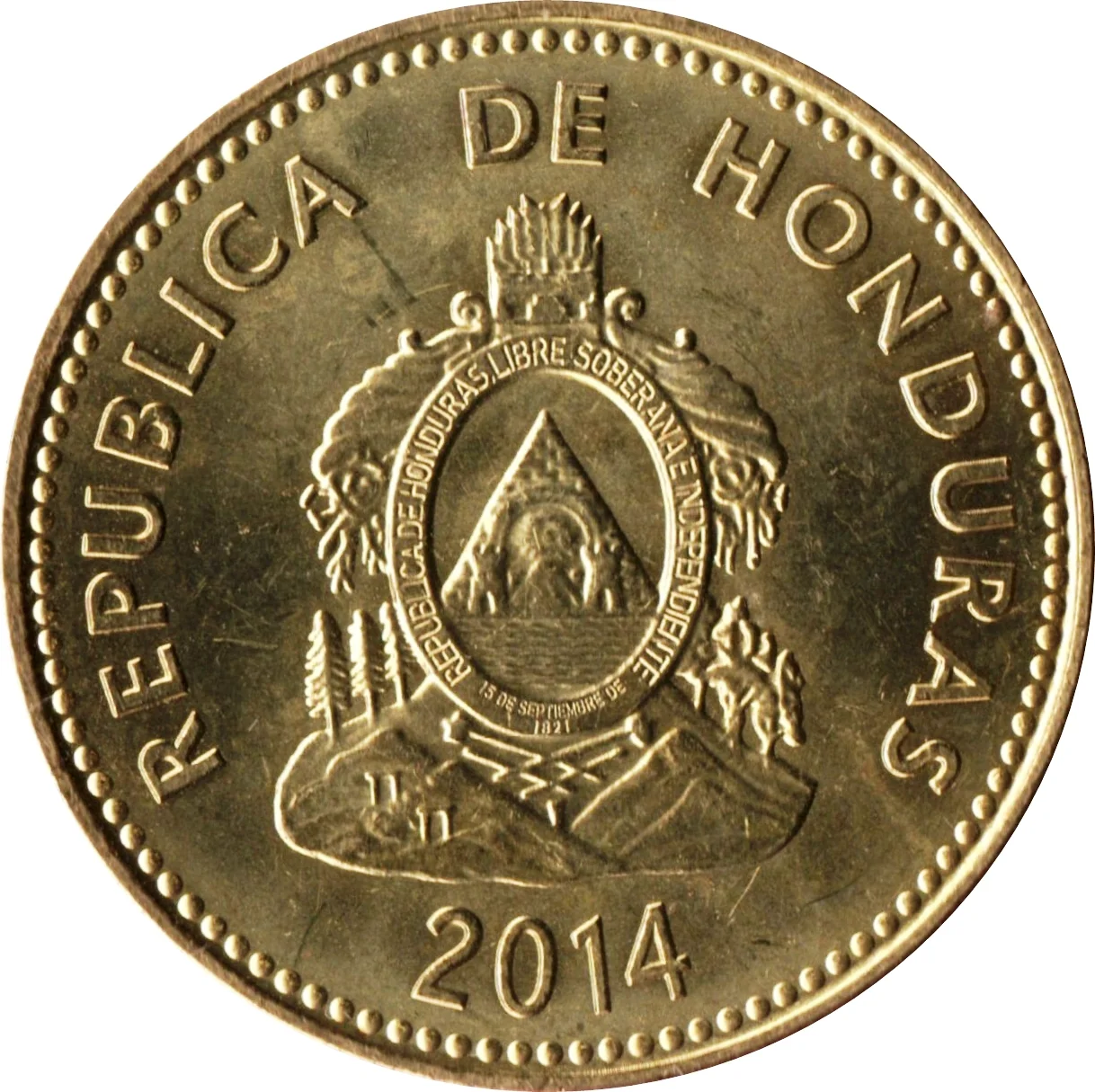
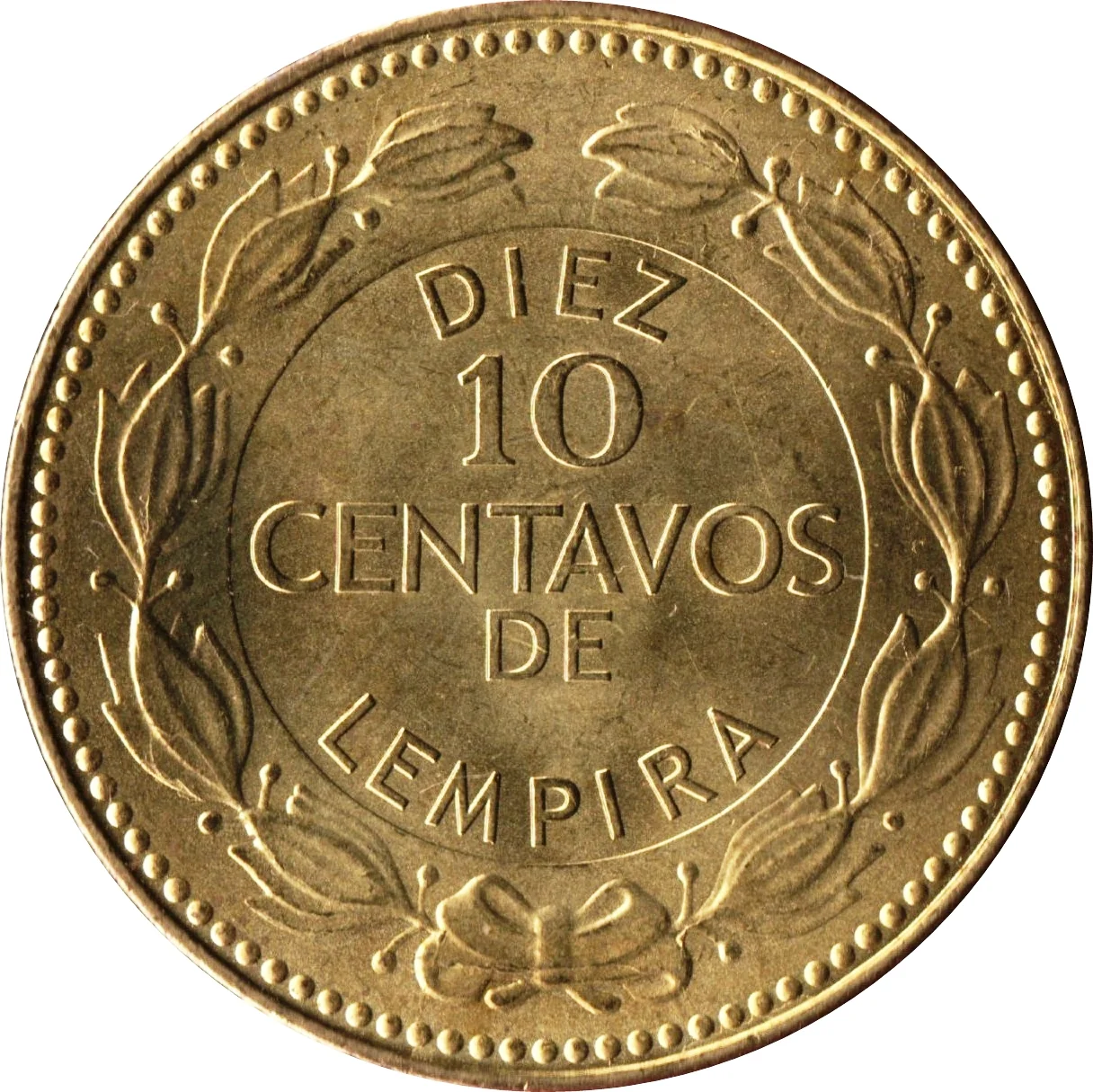
10 centavos – Honduras
Add to wishlist
Honduras
Context
Years: 2010–2014
Issuer: Honduras
Issuing organization: Central Bank of Honduras
Period:
(since 1862)
Currency:
(since 1931)
Total mintage: 234,000,000
Material
References
KM: #
Numista: #42555
Value
Exchange value: 0.10 HNL
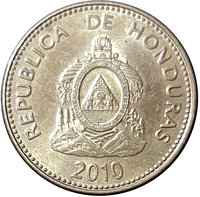
Obverse
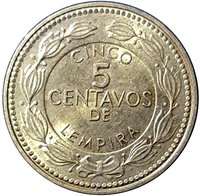
Reverse
Edge
Plain
Categories
| Symbols> Coat of Arms |
| Symbol> Wreath |
Mints
| Name | Mark |
|---|---|
| Royal Dutch Mint | — |
| Royal Mint of Madrid | — |
Mintings
| Year | Mint Mark | Mintage | Quality | Collection |
|---|---|---|---|---|
| 2010 | — | 54,000,000 | ||
| 2012 | — | 30,000,000 | ||
| 2014 | — | 150,000,000 |
Historical background
In 2010, Honduras was grappling with significant economic instability and currency pressure in the aftermath of the 2009 political crisis, which saw President Manuel Zelaya ousted in a coup. The international condemnation and suspension of foreign aid that followed severely strained the national economy. This political shock exacerbated existing vulnerabilities, leading to a decline in foreign investment, a drop in remittances (a critical source of foreign currency), and a growing fiscal deficit. The Central Bank of Honduras (BCH) was forced to dip into its international reserves to defend the fixed exchange rate of the national currency, the lempira, which was pegged at approximately 19 lempiras to the US dollar.
The currency situation was characterized by a tense duality: an official fixed rate maintained by the BCH and a weaker parallel market rate. To conserve dwindling reserves, the BCH began rationing US dollar sales to commercial banks, creating a scarcity that drove demand to the informal market. This led to a widening gap, with the parallel rate trading at a discount of around 3-5% weaker than the official rate. This disparity created distortions, hurting importers and contributing to inflationary pressures, while also raising concerns about the sustainability of the peg itself.
Ultimately, the BCH managed to avoid a sudden devaluation in 2010 through stringent capital controls and continued, albeit reduced, intervention. However, the year highlighted the profound fragility of the Honduran economy and its currency peg. The strain was a direct product of the political turmoil, which had isolated the country financially and shaken confidence. The situation set the stage for ongoing economic challenges in the subsequent years, as the country worked to rebuild reserves and stabilize its finances under the new administration of President Porfirio Lobo.
The currency situation was characterized by a tense duality: an official fixed rate maintained by the BCH and a weaker parallel market rate. To conserve dwindling reserves, the BCH began rationing US dollar sales to commercial banks, creating a scarcity that drove demand to the informal market. This led to a widening gap, with the parallel rate trading at a discount of around 3-5% weaker than the official rate. This disparity created distortions, hurting importers and contributing to inflationary pressures, while also raising concerns about the sustainability of the peg itself.
Ultimately, the BCH managed to avoid a sudden devaluation in 2010 through stringent capital controls and continued, albeit reduced, intervention. However, the year highlighted the profound fragility of the Honduran economy and its currency peg. The strain was a direct product of the political turmoil, which had isolated the country financially and shaken confidence. The situation set the stage for ongoing economic challenges in the subsequent years, as the country worked to rebuild reserves and stabilize its finances under the new administration of President Porfirio Lobo.
🌱 Common