

200 pesos (Mexico Independence) – Mexico
Add to wishlist
Non-circulating coins
Commemoration: Mexico Independence 200th Anniversary
Mexico
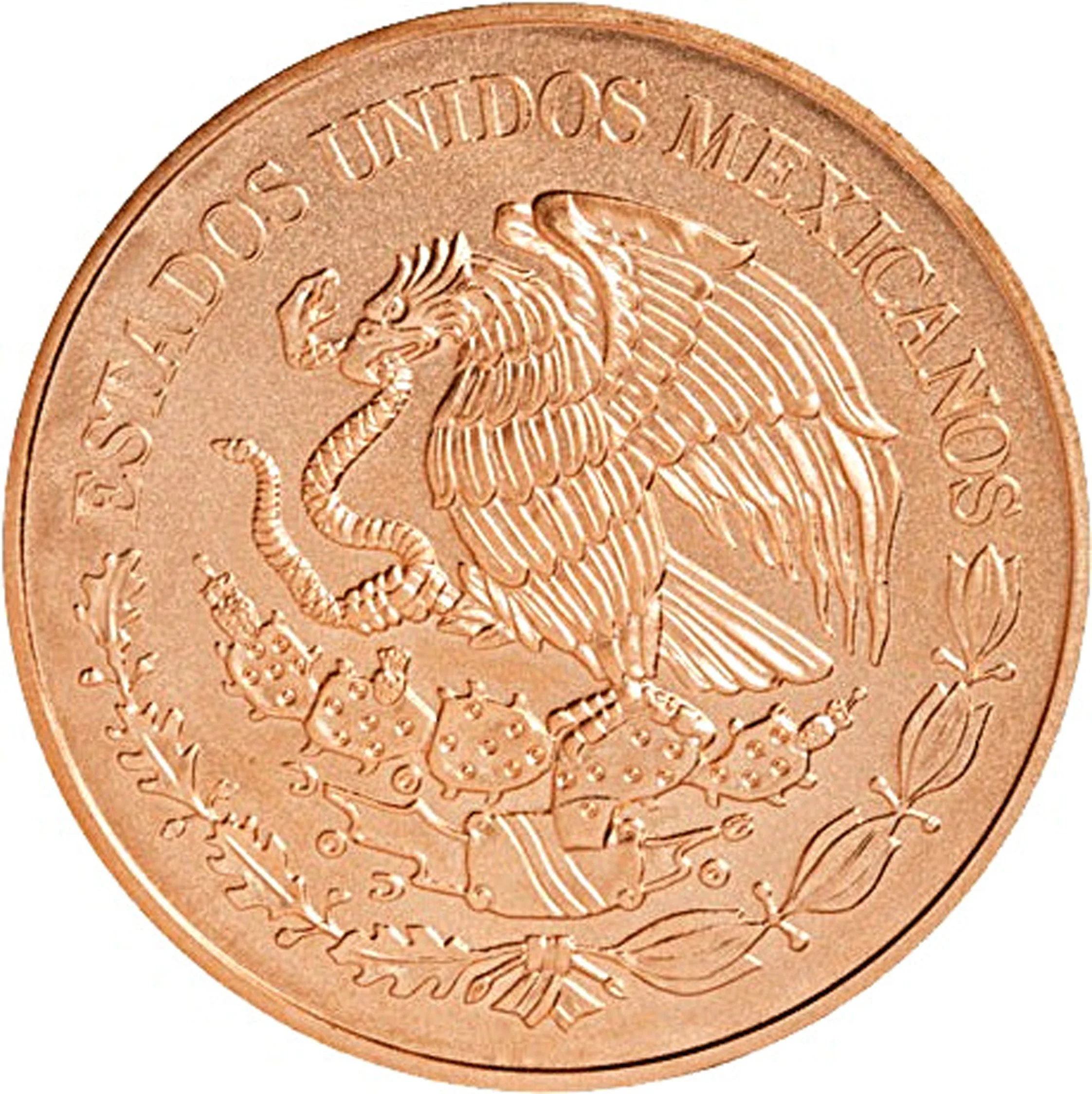
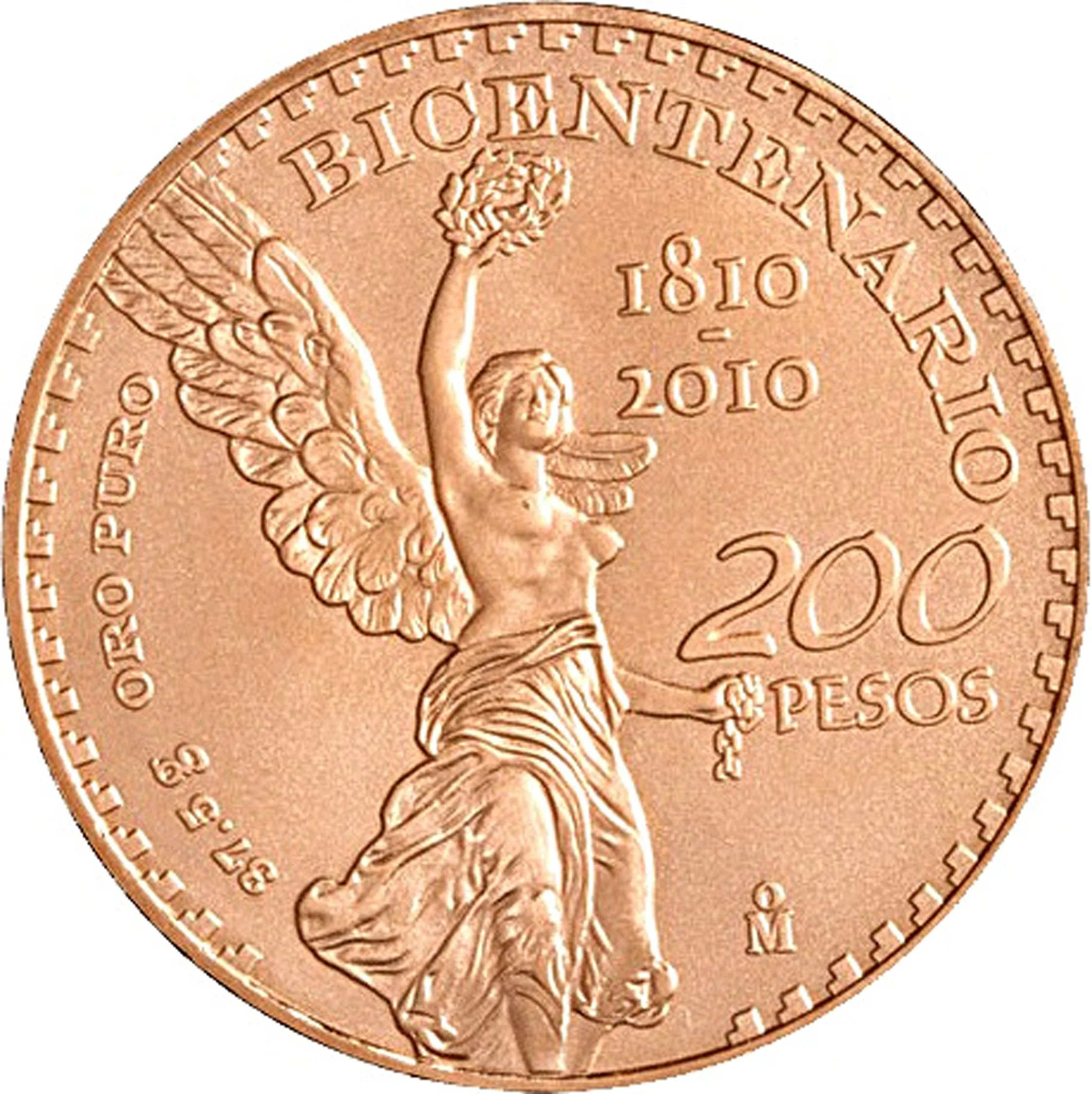
Obverse
Reverse
Description:
Nike of Samothrace.
Inscription:
37.5 g ORO PURO
BICENTENARIO
200 PESOS
1810
2010
MO
BICENTENARIO
200 PESOS
1810
2010
MO
Script: Latin
Edge
Mints
| Name | Mark |
|---|---|
| Mexican Mint | — |
Mintings
| Year | Mint Mark | Mintage | Quality | Collection |
|---|---|---|---|---|
| 2010 | Mo | 5,000 | Proof | |
| 2010 | Mo | 50,000 |
Historical background
In 2010, Mexico's currency, the peso (MXN), was navigating a complex recovery period following the severe global financial crisis of 2008-2009. The crisis had triggered a sharp depreciation, with the peso losing nearly 25% of its value against the US dollar in 2008 alone, driven by capital flight and a collapse in global trade. By 2010, the economy was stabilizing, supported by a rebound in exports to the United States and rising oil prices. However, the peso's value remained highly sensitive to external risk sentiment and fluctuations in global markets, often acting as a proxy for emerging market risk during periods of international volatility.
Domestically, the Banco de México (Banxico) maintained a flexible exchange rate regime, allowing the peso to float freely while occasionally intervening in the foreign exchange market to curb excessive volatility. Inflation was under relative control, but concerns lingered regarding the impact of currency weakness on import prices. A significant backdrop was the ongoing and violent drug cartel war, which periodically shook investor confidence and created headlines that could trigger short-term peso sell-offs. Furthermore, the country's heavy reliance on remittances and oil exports—both priced in US dollars—meant the peso-dollar exchange rate was a critical variable for national income and economic stability.
Overall, 2010 was a year of cautious consolidation for the Mexican peso. It appreciated modestly against the dollar as risk appetite returned to global markets, but it failed to regain its pre-crisis strength. The currency's performance reflected the broader Mexican economy's dual narrative: a fundamental recovery driven by manufacturing exports and prudent fiscal policy, yet persistently vulnerable to external shocks and domestic security challenges. This set the stage for the peso's continued role as a liquid but sometimes turbulent emerging market currency in the years that followed.
Domestically, the Banco de México (Banxico) maintained a flexible exchange rate regime, allowing the peso to float freely while occasionally intervening in the foreign exchange market to curb excessive volatility. Inflation was under relative control, but concerns lingered regarding the impact of currency weakness on import prices. A significant backdrop was the ongoing and violent drug cartel war, which periodically shook investor confidence and created headlines that could trigger short-term peso sell-offs. Furthermore, the country's heavy reliance on remittances and oil exports—both priced in US dollars—meant the peso-dollar exchange rate was a critical variable for national income and economic stability.
Overall, 2010 was a year of cautious consolidation for the Mexican peso. It appreciated modestly against the dollar as risk appetite returned to global markets, but it failed to regain its pre-crisis strength. The currency's performance reflected the broader Mexican economy's dual narrative: a fundamental recovery driven by manufacturing exports and prudent fiscal policy, yet persistently vulnerable to external shocks and domestic security challenges. This set the stage for the peso's continued role as a liquid but sometimes turbulent emerging market currency in the years that followed.
💎 Extremely Rare