

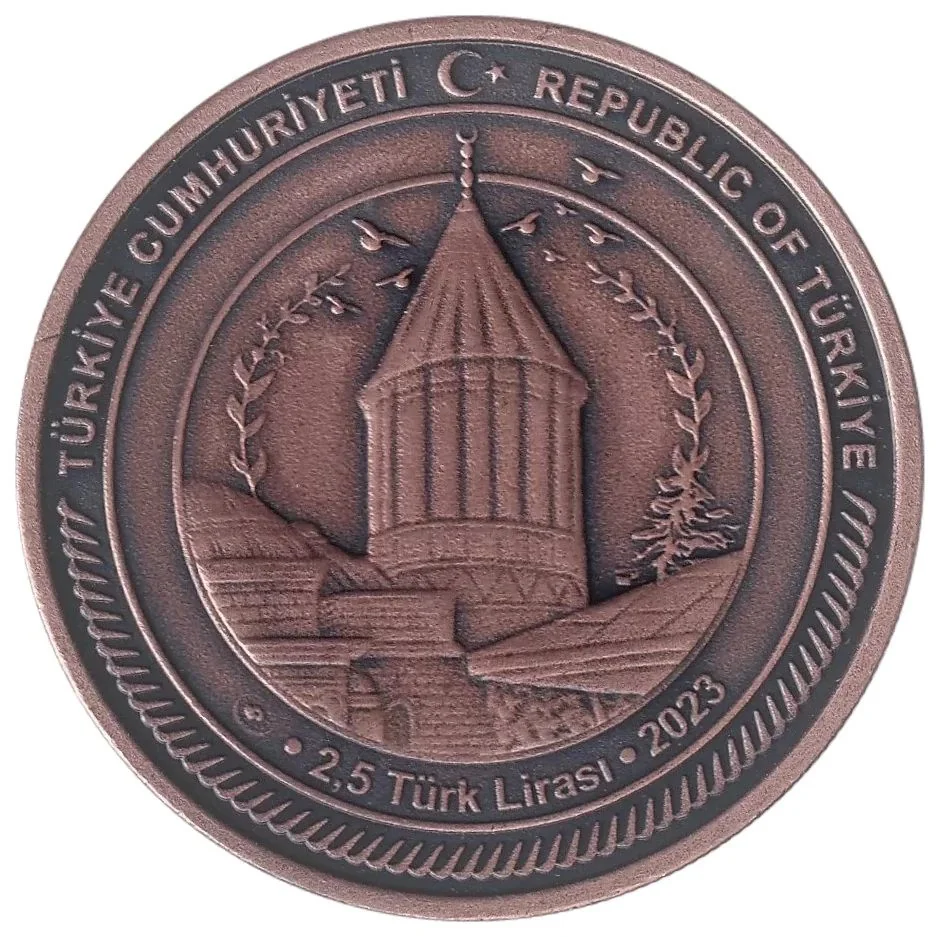

2.5 Lira (Death) – Turkey
Non-circulating coins
Commemoration: 750th Death Anniversary
Turkey
Context

Material

References
Numista: #424208
Value
Exchange value: 2.5 TRY = $0.06
Inflation-adjusted value: 6.68 TRY
Obverse
Reverse
Edge
Reeded
Categories
| Art> Literature |
| Building> Religious building |
| Event> Death anniversary |
Mints
| Name | Mark |
|---|---|
| Turkish State Mint | — |
Mintings
| Year | Mint Mark | Mintage | Quality | Collection |
|---|---|---|---|---|
| 2023 | — | 5,000 |
Historical background
Turkey's currency situation in 2023 was defined by the continuation of a profound and destabilizing crisis, marked by severe depreciation and unorthodox economic policy. The Turkish lira (TRY) lost over 50% of its value against the US dollar during the year, following losses of 44% in 2022 and 30% in 2021. This relentless decline was primarily driven by President Recep Tayyip Erdoğan's persistent advocacy for unorthodox economic theory, which insists that high interest rates cause inflation, rather than curb it. Despite inflation soaring to a peak of over 85% in late 2022 and remaining above 60% for most of 2023, the central bank, under political pressure, kept interest rates artificially low until after the May general elections.
Following Erdoğan's re-election, a significant policy shift occurred. A new economic team, led by Finance Minister Mehmet Şimşek and Central Bank Governor Hafize Gaye Erkan, was appointed and began a sharp pivot toward monetary tightening and conventional economics. The central bank aggressively raised its key policy rate from 8.5% to 45% in a series of hikes throughout the second half of the year. While this policy U-turn aimed to combat inflation, rebuild foreign reserves, and restore credibility, it also increased the cost of borrowing dramatically for businesses and households, slowing economic activity.
The cumulative impact of these dynamics created a challenging environment for the Turkish populace. Soaring inflation, though moderating slightly by year-end, drastically eroded purchasing power, while a state-backed scheme protecting lira deposits from currency depreciation placed a heavy burden on the treasury. The economy showed surprising resilience in GDP growth, fueled by strong domestic demand and reconstruction after devastating earthquakes in February, but this was largely viewed as unsustainable. Thus, 2023 ended with a fragile stability, as the new economic team's painful corrective measures sought to lay a foundation for recovery amid deep-seated inflationary pressures and widespread dollarization.
Following Erdoğan's re-election, a significant policy shift occurred. A new economic team, led by Finance Minister Mehmet Şimşek and Central Bank Governor Hafize Gaye Erkan, was appointed and began a sharp pivot toward monetary tightening and conventional economics. The central bank aggressively raised its key policy rate from 8.5% to 45% in a series of hikes throughout the second half of the year. While this policy U-turn aimed to combat inflation, rebuild foreign reserves, and restore credibility, it also increased the cost of borrowing dramatically for businesses and households, slowing economic activity.
The cumulative impact of these dynamics created a challenging environment for the Turkish populace. Soaring inflation, though moderating slightly by year-end, drastically eroded purchasing power, while a state-backed scheme protecting lira deposits from currency depreciation placed a heavy burden on the treasury. The economy showed surprising resilience in GDP growth, fueled by strong domestic demand and reconstruction after devastating earthquakes in February, but this was largely viewed as unsustainable. Thus, 2023 ended with a fragile stability, as the new economic team's painful corrective measures sought to lay a foundation for recovery amid deep-seated inflationary pressures and widespread dollarization.
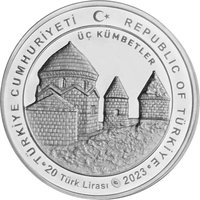
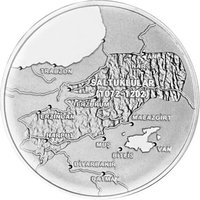

✨ Legendary