

10 Euro – Malta
Non-circulating coins
Commemoration: Commonwealth Heads of Government Meeting (Malta: 27 - 29 November 2015)
Malta
Context
Year: 2015
Issuer: Malta 
Issuing organization: Central Bank of Malta
Period:
(since 1974)
Currency:
(since 2008)
Total mintage: 1,150
Material

References
Numista: #420775
Value
Exchange value: 10 EUR = $11.81
Bullion value: $75.60
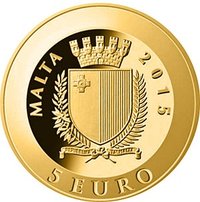
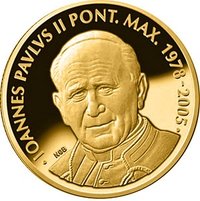
Obverse
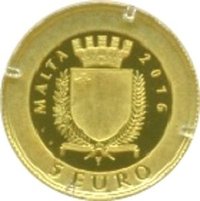
Reverse
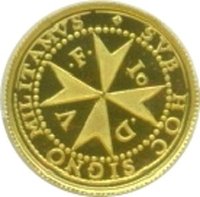
Inscription:
COMMONWEALTH HEADS OF GOVERNMENT MEETING
10
EURO
MALTA 27-29 NOVEMBER 2015
10
EURO
MALTA 27-29 NOVEMBER 2015
Script: Latin
Edge
Categories
| Building> Castle or fortification |
| Symbols> Coat of Arms |
Mints
| Name | Mark |
|---|---|
| Royal Dutch Mint | — |
Mintings
| Year | Mint Mark | Mintage | Quality | Collection |
|---|---|---|---|---|
| 2015 | — | 1,150 |
Historical background
In 2015, Malta was firmly integrated into the Eurozone, having adopted the euro as its official currency on 1 January 2008. This meant the Maltese lira had been completely phased out of circulation for seven years, and the country's monetary policy was wholly determined by the European Central Bank (ECB). The year was characterised by Malta operating within the ECB's expansive monetary policy framework, which included historically low interest rates and quantitative easing measures aimed at stimulating the euro area economy following the sovereign debt crisis. For Malta, this environment supported low borrowing costs and economic stability.
The domestic economic context in 2015 was positive, with Malta experiencing robust GDP growth, a rising tourism sector, and a strengthening financial services industry. This growth, however, occurred alongside a very low annual inflation rate, a euro-area-wide phenomenon. The ECB's policies were designed to combat the risk of deflation, and Malta, as a small open economy within the bloc, imported this low-inflation environment. Consequently, there were no standalone national currency debates; discussions instead focused on fiscal policy, competitiveness, and how to best leverage the stability of the euro to sustain economic expansion.
Therefore, the "currency situation" in Malta for 2015 was one of stability and consolidation within the Eurozone framework. There was no active debate about the currency itself, as euro adoption was considered a settled and successful policy. The focus for policymakers and economists was on navigating the broader European monetary conditions to Malta's advantage, ensuring prudent national fiscal management, and addressing economic challenges through structural reforms rather than through any independent monetary tools, which the country had fully ceded to the ECB.
The domestic economic context in 2015 was positive, with Malta experiencing robust GDP growth, a rising tourism sector, and a strengthening financial services industry. This growth, however, occurred alongside a very low annual inflation rate, a euro-area-wide phenomenon. The ECB's policies were designed to combat the risk of deflation, and Malta, as a small open economy within the bloc, imported this low-inflation environment. Consequently, there were no standalone national currency debates; discussions instead focused on fiscal policy, competitiveness, and how to best leverage the stability of the euro to sustain economic expansion.
Therefore, the "currency situation" in Malta for 2015 was one of stability and consolidation within the Eurozone framework. There was no active debate about the currency itself, as euro adoption was considered a settled and successful policy. The focus for policymakers and economists was on navigating the broader European monetary conditions to Malta's advantage, ensuring prudent national fiscal management, and addressing economic challenges through structural reforms rather than through any independent monetary tools, which the country had fully ceded to the ECB.
✨ Legendary