

Iran
Context
Year: 1811
Islamic (Hijri) Year: 1226
Issuer: Iran 
Ruler: Fath-Ali Shah
Currency:
(1798—1825)
Demonetized: Yes
Material
Weight: 20.8 g
Silver weight: 20.80 g
Shape: Irregular round
Composition: Silver
Magnetic: No
Technique: Hammered
References
KM: #Click to copy to clipboard690
Numista: #418880
Value
Bullion value: $60.16
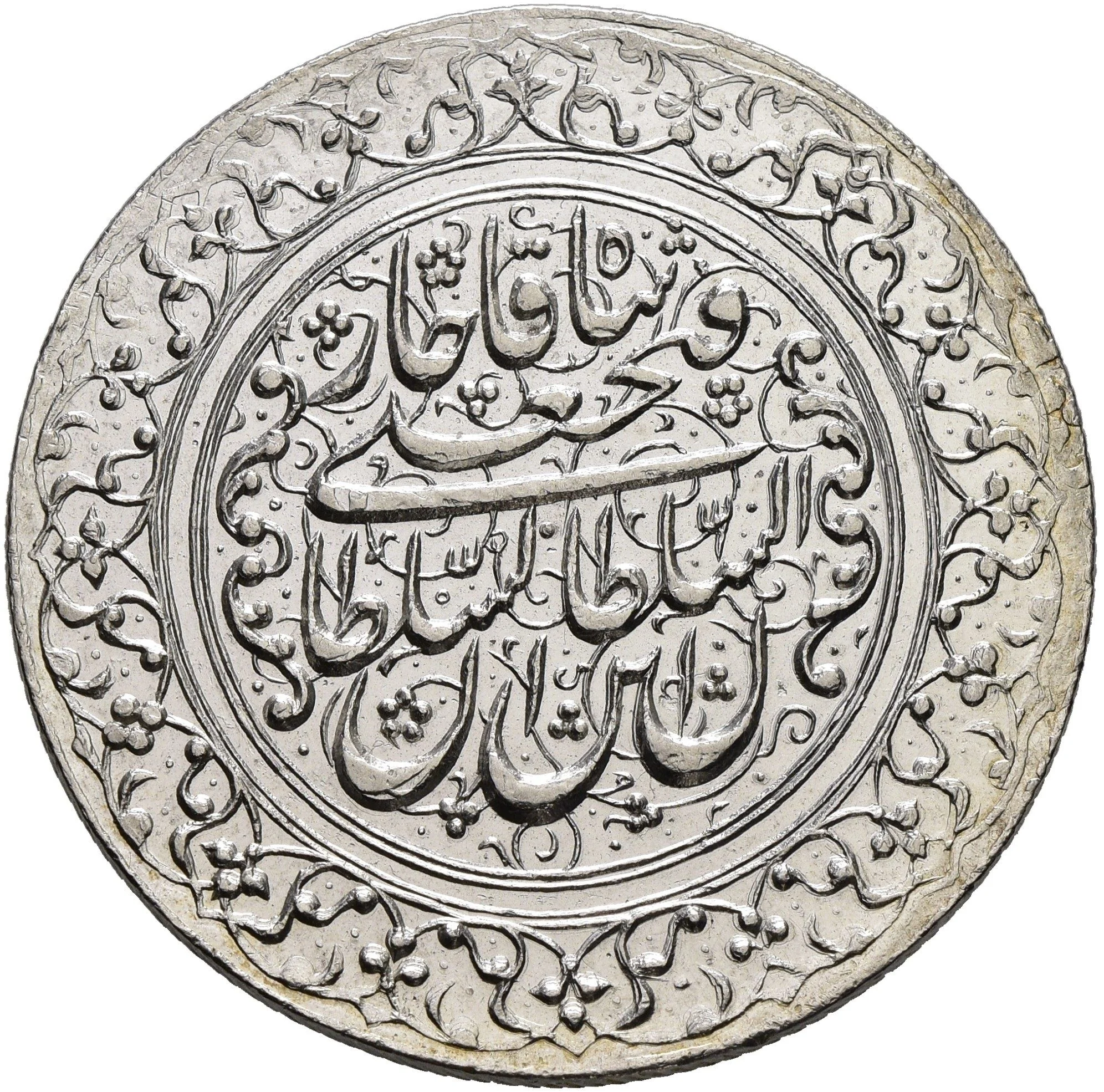
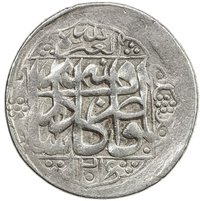
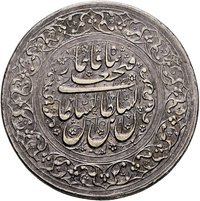
Obverse
Inscription:
السّلطان ابن السّلطان
فتحعلی شاه قاجار
فتحعلی شاه قاجار
Translation:
The Sultan, son of the Sultan, Fath-Ali Shah Qajar
Script: Persian (nastaliq)
Language: Arabic
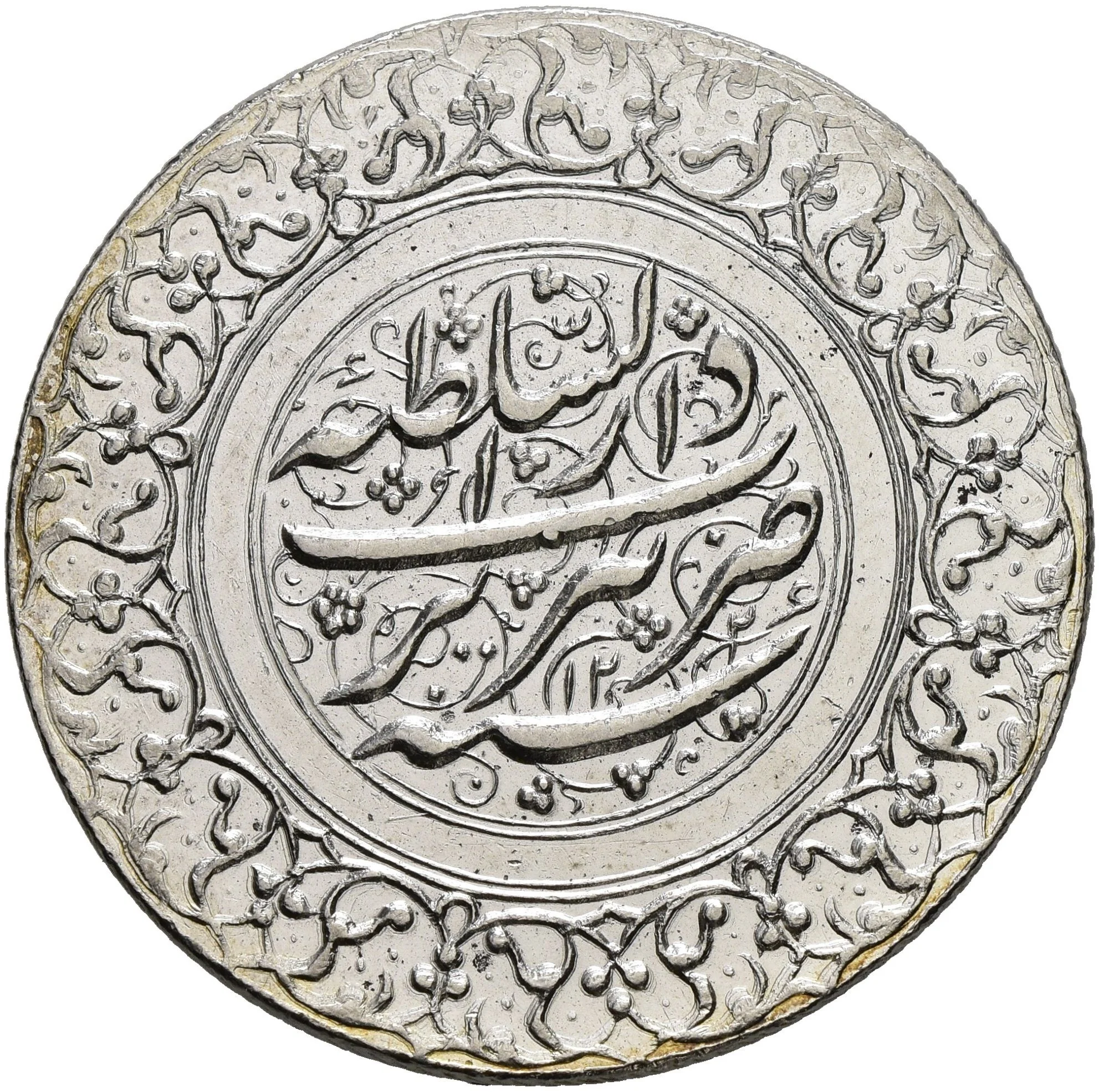
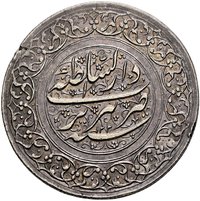
Reverse
Inscription:
ضرب دارالسّلطنه تبریز
۱۲۲۶ سنه
۱۲۲۶ سنه
Translation:
Struck in the Seat of the Sultanate, Tabriz
Year 1226
Year 1226
Script: Persian (nastaliq)
Language: Persian
Edge
Mints
| Name | Mark |
|---|---|
| Tebriz | تبریز |
Mintings
| Year | Mint Mark | Mintage | Quality | Collection |
|---|---|---|---|---|
| 1811 | — | — |
Historical background
In 1811, Iran’s currency system was a complex and fragmented reflection of its political and economic turmoil. The Qajar dynasty, under Fath-Ali Shah, ruled a decentralized state with limited control over provincial mints. The primary monetary unit was the silver qiran (also spelled kran), but its weight and purity varied significantly between cities like Tabriz, Isfahan, and Tehran. Alongside this, the toman (worth 10 qirans) served as an accounting unit, while copper shahis and dinars facilitated small-scale trade. This lack of standardization, combined with a chronic shortage of precious metals, created a chaotic and unreliable monetary environment.
The economic backdrop was one of severe strain. Iran’s traditional trade routes had been disrupted by European colonial expansion and competition. Furthermore, the treasury was depleted by extravagant court expenditures, costly military campaigns, and tributes paid to rival powers. To raise revenue, the government frequently resorted to currency debasement, reducing the silver content in newly minted coins. This practice led to widespread inflation, a loss of public trust in the coinage, and the hoarding of older, purer coins, which only exacerbated the shortage of sound money in circulation.
Internationally, European powers, particularly Russia and Britain, were increasing their political and commercial influence in Iran, setting the stage for future conflicts and concessions. While the specific foreign economic pressures of the later 19th century were not yet fully realized in 1811, the weakened and unstable currency system made Iran financially vulnerable. Thus, the monetary situation of 1811 was a symptom of deeper structural issues: a weak central authority, fiscal mismanagement, and an economy struggling to adapt to a changing regional order.
The economic backdrop was one of severe strain. Iran’s traditional trade routes had been disrupted by European colonial expansion and competition. Furthermore, the treasury was depleted by extravagant court expenditures, costly military campaigns, and tributes paid to rival powers. To raise revenue, the government frequently resorted to currency debasement, reducing the silver content in newly minted coins. This practice led to widespread inflation, a loss of public trust in the coinage, and the hoarding of older, purer coins, which only exacerbated the shortage of sound money in circulation.
Internationally, European powers, particularly Russia and Britain, were increasing their political and commercial influence in Iran, setting the stage for future conflicts and concessions. While the specific foreign economic pressures of the later 19th century were not yet fully realized in 1811, the weakened and unstable currency system made Iran financially vulnerable. Thus, the monetary situation of 1811 was a symptom of deeper structural issues: a weak central authority, fiscal mismanagement, and an economy struggling to adapt to a changing regional order.
✨ Legendary