


Mints
| Name | Mark |
|---|---|
| Córdoba | — |
Mintings
| Year | Mint Mark | Mintage | Quality | Collection |
|---|---|---|---|---|
| — | — | — |
Historical background
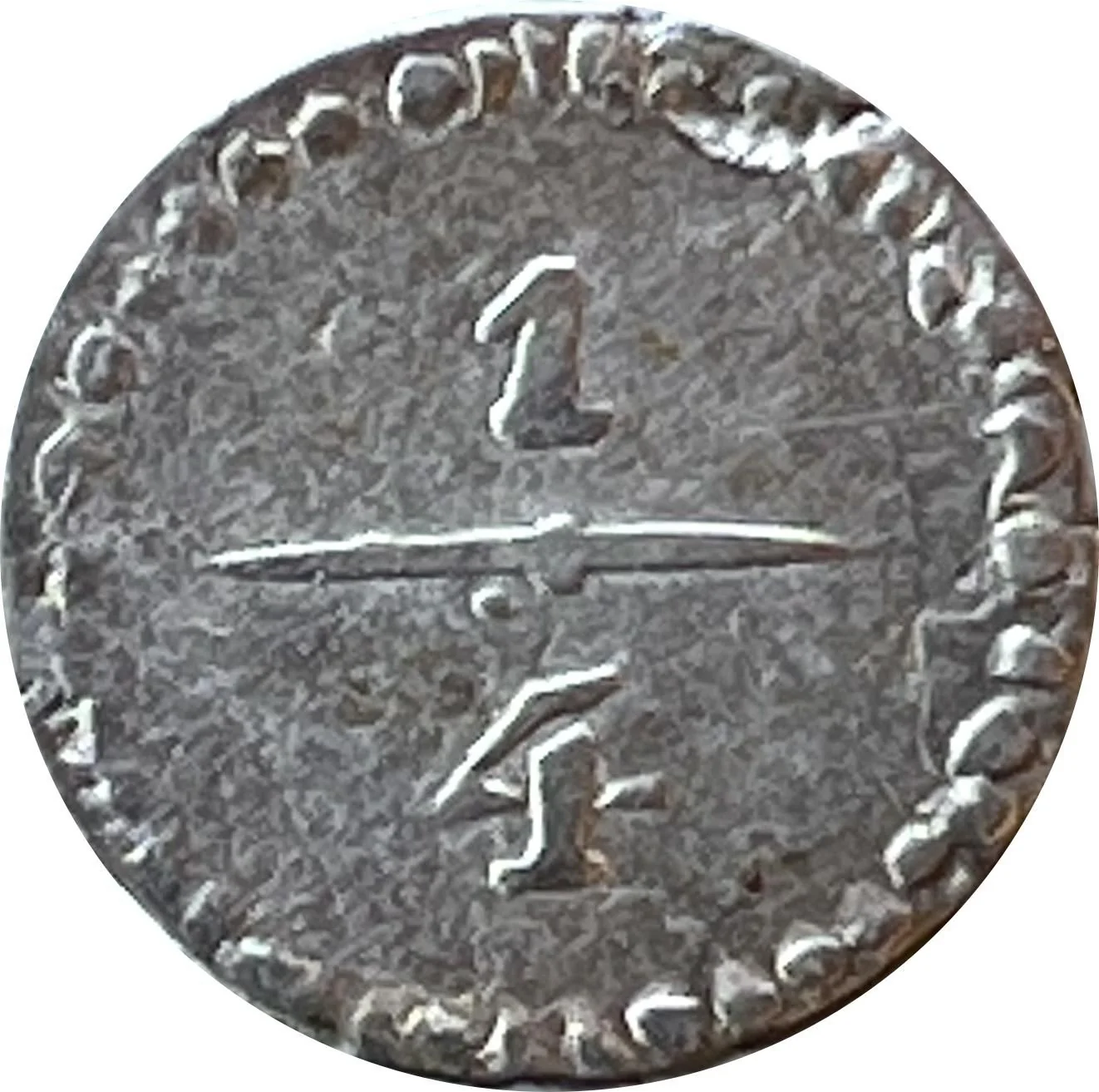
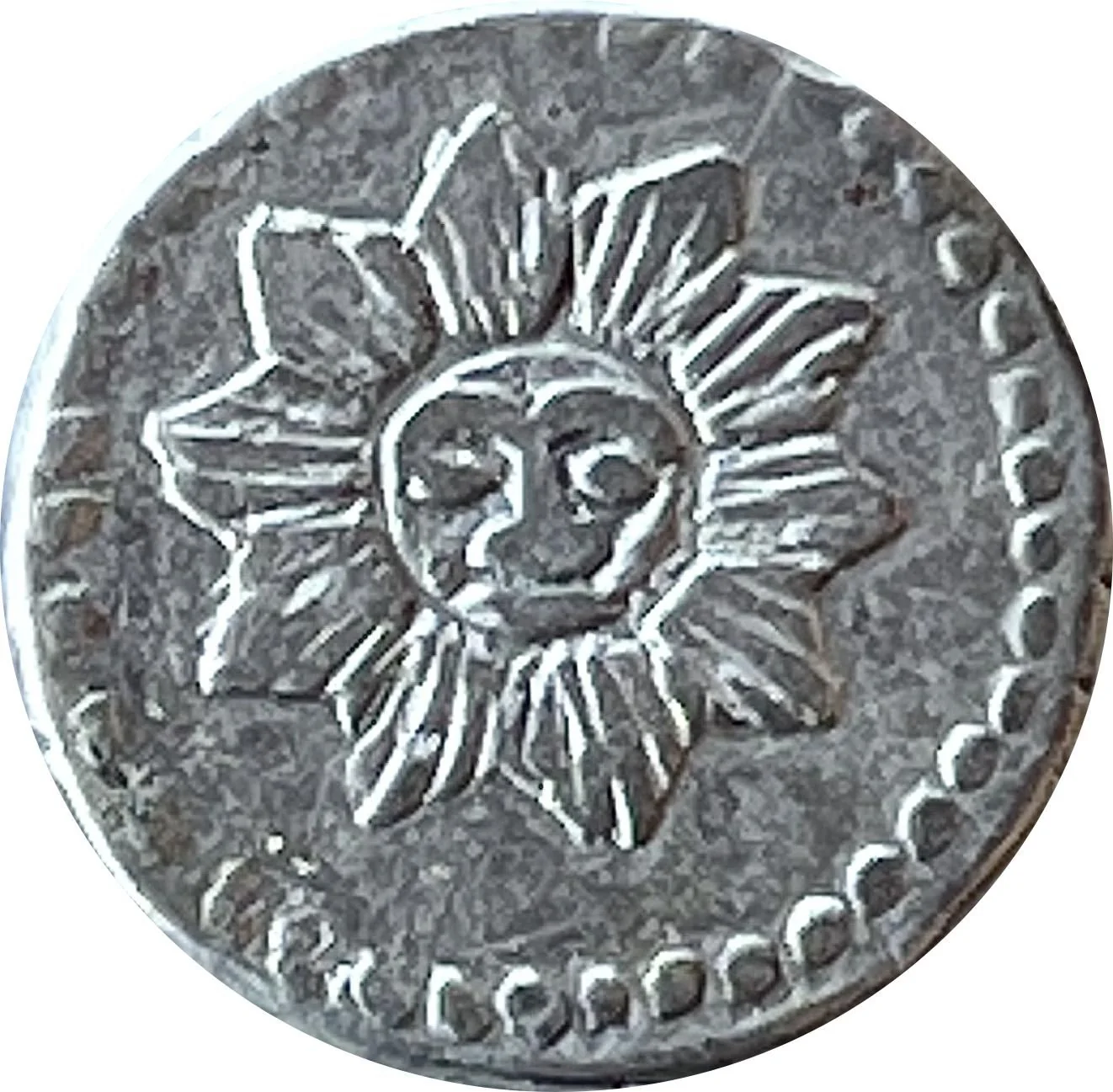
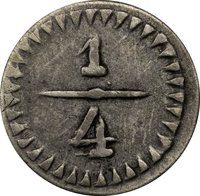
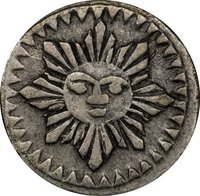
In 1853, the currency situation in the Province of Córdoba, Argentina, was one of profound disorder and fragmentation, mirroring the broader national crisis following the fall of Juan Manuel de Rosas. The province operated without a unified monetary system, as the bankrupt national government had ceased minting coins. This vacuum was filled by a chaotic mix of foreign coins (especially Bolivian, Chilean, and Peruvian silver), worn and clipped Spanish colonial pieces, and a flood of low-quality copper coinage from the province of La Rioja, which Córdoba was forced to accept in trade but which drove out more valuable silver.
This monetary anarchy severely hampered commerce and public finance. The lack of a standard unit of account meant that daily transactions were slow and contentious, requiring constant assessment of the weight and authenticity of each coin. The provincial government, led by Governor Alejo Carmen Guzmán, found its treasury depleted and its ability to collect taxes or pay salaries crippled by the unreliable and depreciating media of exchange. The situation stifled economic recovery and integration into the burgeoning national project.
Consequently, 1853 was a pivotal year of transition. The signing of the Argentine Constitution that May promised a future federal currency, but immediate solutions were needed. In response, the Córdoba government took a decisive provincial step by authorizing the issuance of its own paper money, known as "billetes de caja." These treasury notes, redeemable in metallic coin, were an emergency measure to facilitate administrative payments and stabilize local transactions, marking Córdoba's attempt to impose order while awaiting the national monetary system envisioned by the new constitutional framework.
This monetary anarchy severely hampered commerce and public finance. The lack of a standard unit of account meant that daily transactions were slow and contentious, requiring constant assessment of the weight and authenticity of each coin. The provincial government, led by Governor Alejo Carmen Guzmán, found its treasury depleted and its ability to collect taxes or pay salaries crippled by the unreliable and depreciating media of exchange. The situation stifled economic recovery and integration into the burgeoning national project.
Consequently, 1853 was a pivotal year of transition. The signing of the Argentine Constitution that May promised a future federal currency, but immediate solutions were needed. In response, the Córdoba government took a decisive provincial step by authorizing the issuance of its own paper money, known as "billetes de caja." These treasury notes, redeemable in metallic coin, were an emergency measure to facilitate administrative payments and stabilize local transactions, marking Córdoba's attempt to impose order while awaiting the national monetary system envisioned by the new constitutional framework.
✨ Legendary