
Logo Title
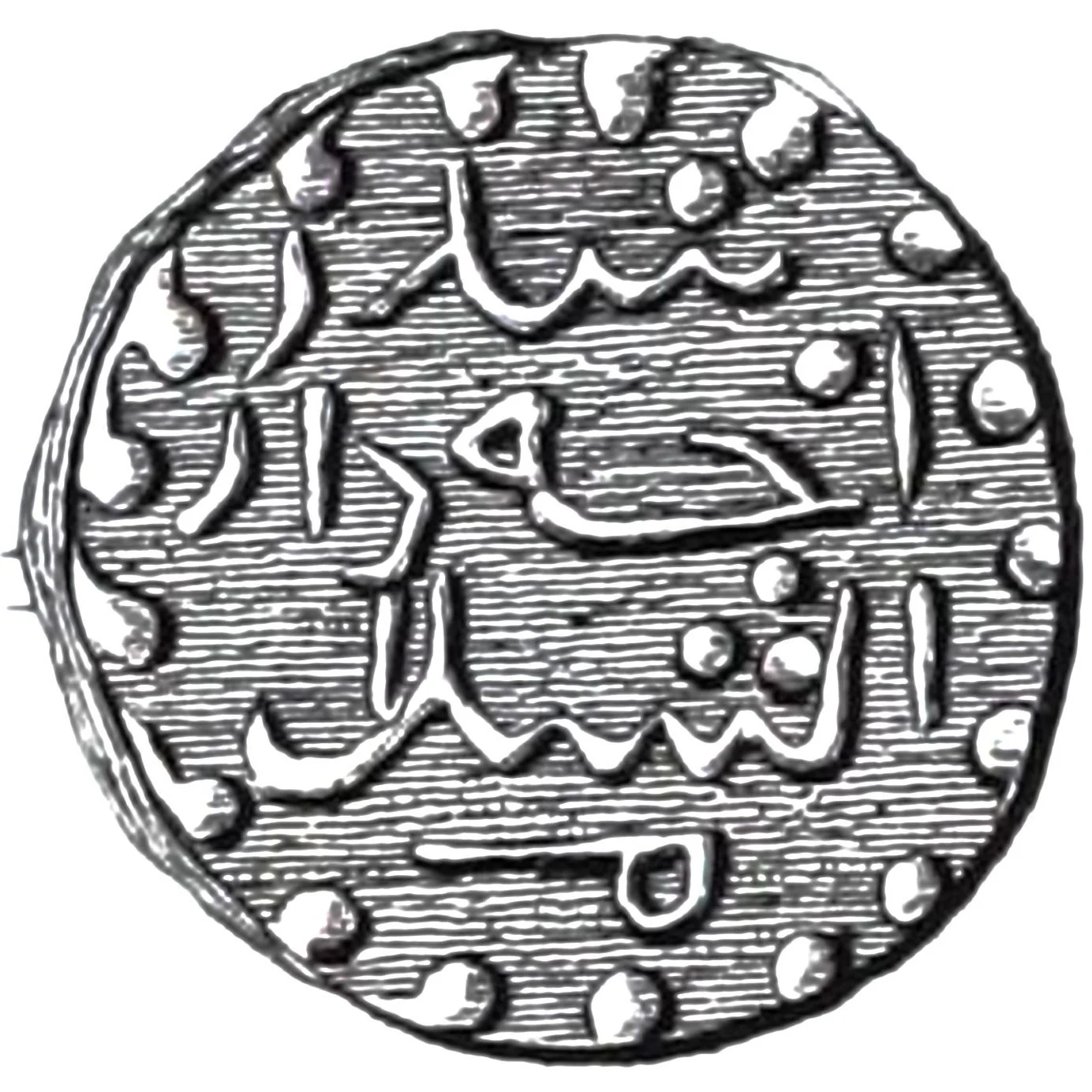
obverse
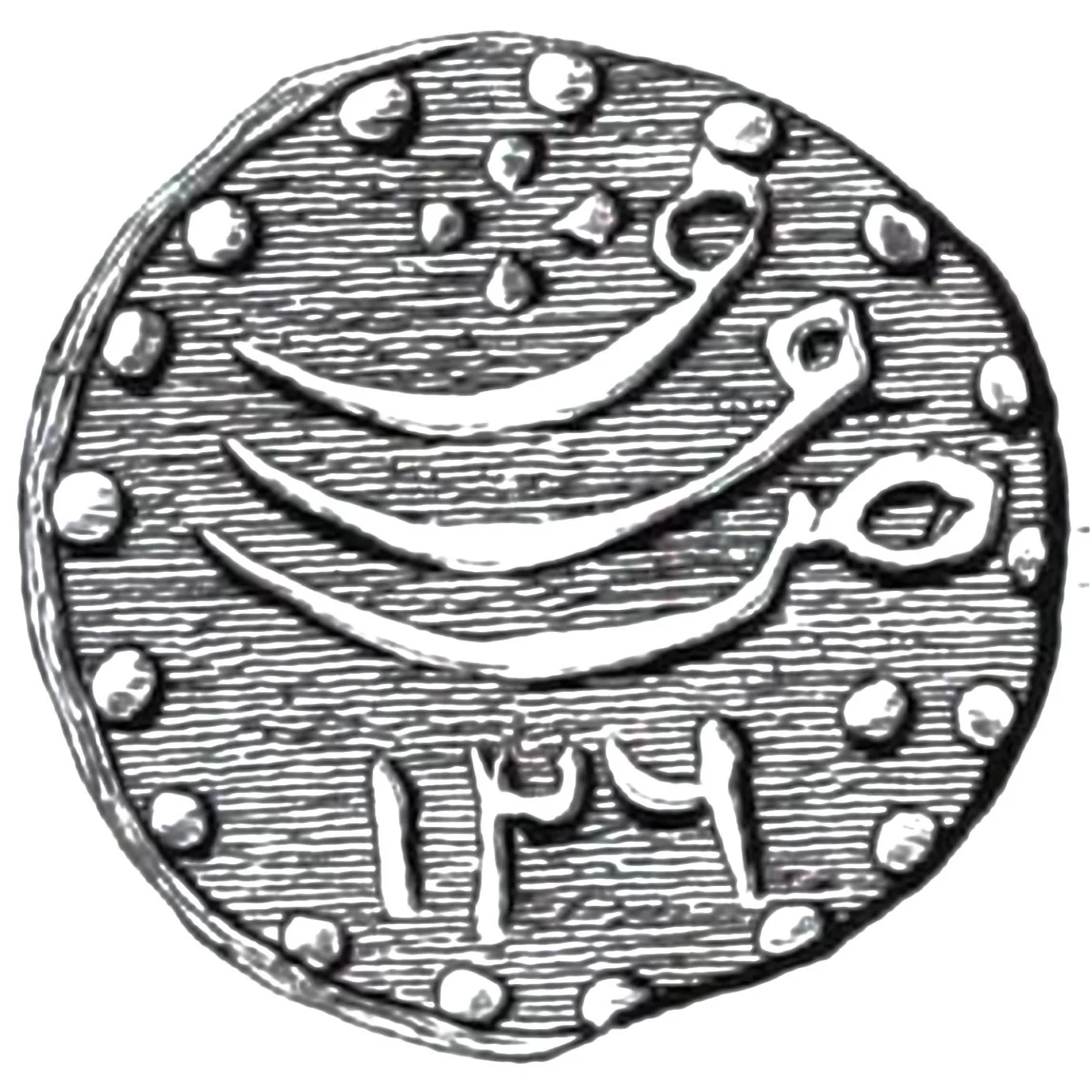
reverse
Millies 1871

1 Keueh – Sultanate of Aceh

Indonesia
Context
Years: 1844–1845
Country: Indonesia Country flag
Currency:
Demonetized: Yes
Material
Diameter: 20 mm
Weight: 2.1 g
Thickness: 1 mm
Composition: Tin
Magnetic: No
References
Numista: #41444

Obverse

Description:
Arabic inscription within beaded circle.
Inscription:
بندر

اچه دار

السلا

م
Translation:
Bandar
Acheh Dar
As-Sultan
Script: Arabic
Language: Persian

Reverse

Description:
Three curved lines with right loop, four dots above, date below, within beaded circle.

Edge

Plain

Mintings

YearMint MarkMintageQualityCollection
1844
1845

Historical background

In 1844, the Sultanate of Aceh, located on the northern tip of Sumatra, operated a complex and multi-layered monetary system that reflected its strategic position in regional trade. The primary currency in circulation was the Spanish silver dollar (real de a ocho or "ringgit"), a global trade coin that had dominated Southeast Asian commerce for centuries. Alongside these, various other silver coins from neighboring regions, Dutch guilders, and local tin coins known as keueh circulated, creating a system where value was often determined by the weight and purity of the silver rather than a simple face value.

This monetary landscape was directly tied to Aceh's political and economic sovereignty. Unlike much of the archipelago, Aceh had successfully resisted Dutch colonial conquest, maintaining its independence and control over its ports. The free flow of international silver coins was a testament to Aceh's vibrant trade in pepper, betel nut, and other commodities with British, American, French, and Chinese merchants. However, the system was inherently unstable for local transactions, as the scarcity of small change and the fluctuating quality of foreign coins often led to confusion and required the expertise of money-changers.

The year 1844 fell within a period of growing external pressure that would eventually destabilize this system. While the Dutch had not yet launched their final, devastating war (which began in 1873), they were actively encroaching on Aceh's claimed dependencies on Sumatra's east and west coasts. This economic and military pressure began to disrupt the trade networks that supplied the silver dollars, creating underlying tensions. Thus, Aceh's currency situation in 1844 represented the last phase of an independent, trade-based monetary order, still functioning but increasingly threatened by the colonial ambitions that would ultimately overthrow the Sultanate.
🌟 Limited