

10 euro (time period) – Belgium
Add to wishlist
Non-circulating coins
Commemoration: 75 years
Belgium
Material
References
KM: #
Numista: #408997
Value
Exchange value: 10 EUR
Bullion value: $42.16
Inflation-adjusted value: 10.14 EUR
Obverse
Description:
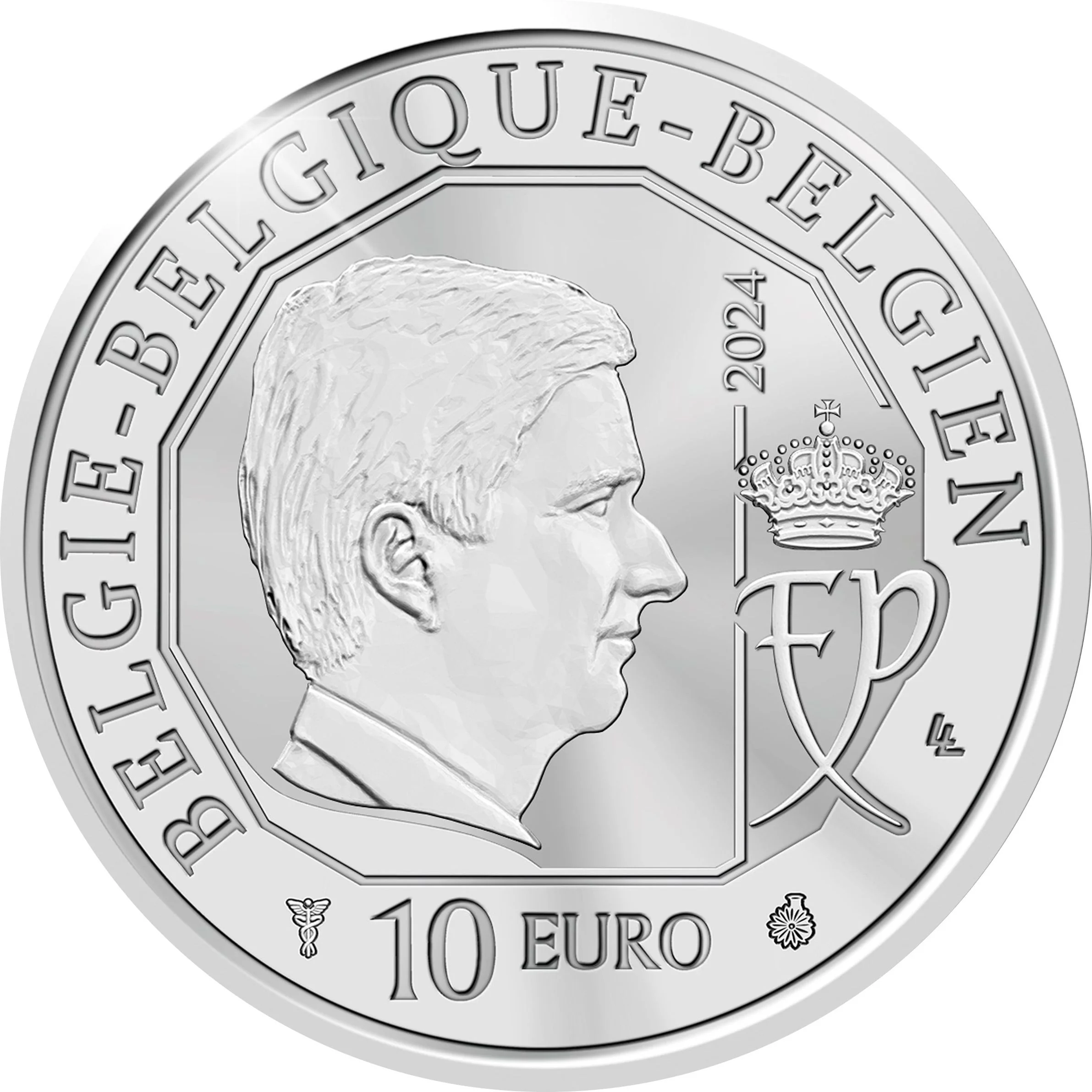
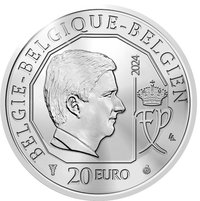
King Philip faces right, with his monogram and 2024 inside an eleven-sided shape. The border includes the trilingual country name, mint marks, and coin value.
Inscription:
BELGIE - BELGIQUE - BELGIEN
FP LL 2024
10 EURO
FP LL 2024
10 EURO
Translation:
BELGIUM - BELGIUM - BELGIUM
FP LL 2024
10 EURO
FP LL 2024
10 EURO
Script: Latin
Designer: Luc Luycx
Reverse
Description:
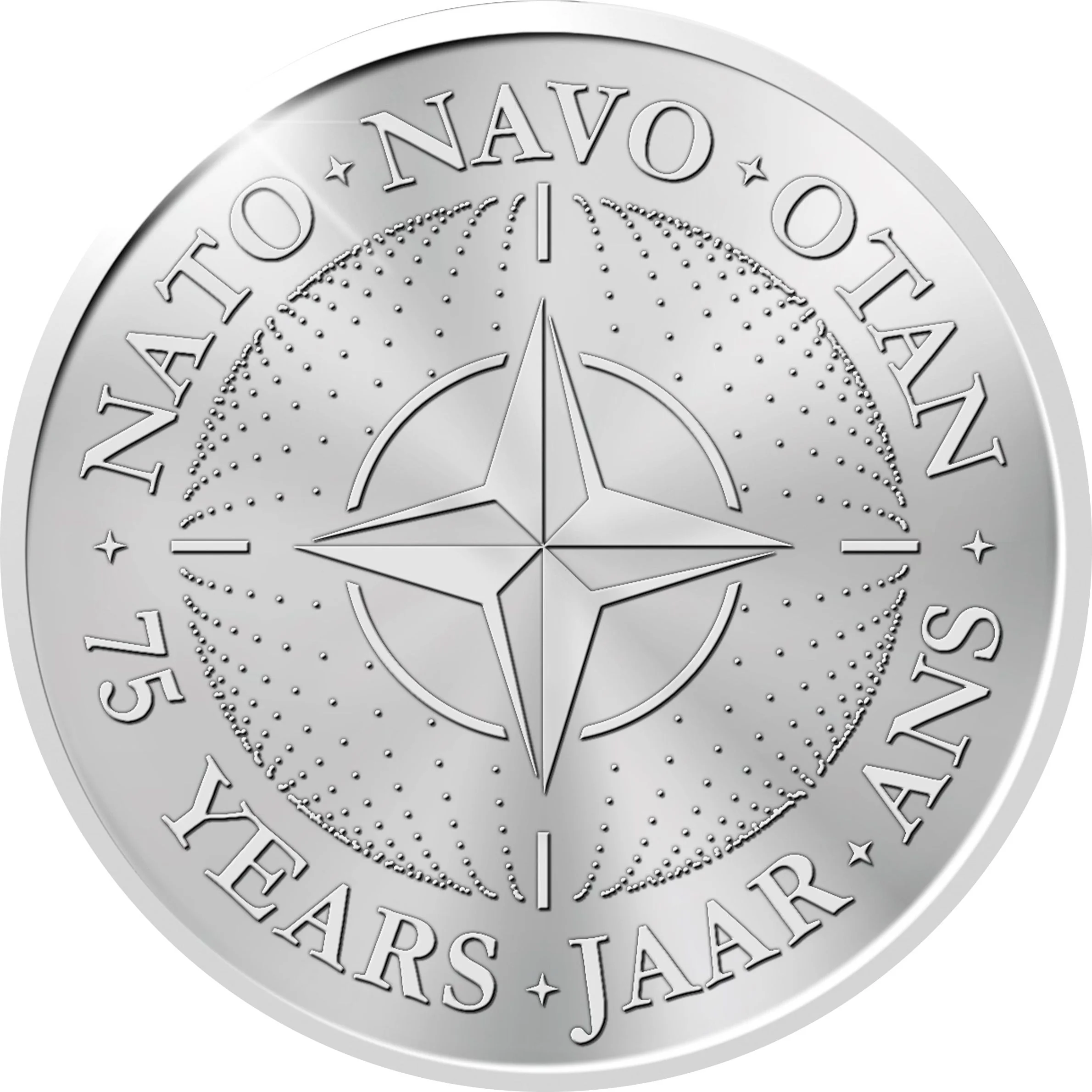
The NATO emblem, projected on a globe of dots, with the abbreviation in English, Dutch, and French. Circular text: NATO * NATO * OTAN * 75 YEARS * YEARS * ANS, separated by NATO stars.
Inscription:
NATO NAVO OTAN
75 YEARS JAAR ANS
75 YEARS JAAR ANS
Script: Latin
Designer: Iris Bruijns
Edge
Plain
Mints
| Name | Mark |
|---|---|
| Royal Dutch Mint | — |
Mintings
| Year | Mint Mark | Mintage | Quality | Collection |
|---|---|---|---|---|
| 2024 | — | 3,000 | Proof |
Historical background
In 2024, Belgium’s currency situation is firmly anchored within the Eurozone framework, using the euro (€) as its sole legal tender. As a founding member of the European Union and a key participant in the Economic and Monetary Union (EMU), Belgium’s monetary policy is set by the European Central Bank (ECB). The primary domestic focus is therefore not on a national currency but on managing the impacts of ECB decisions—particularly the high-interest rate environment maintained to combat persistent inflation—on its economy, households, and public debt, which remains among the highest in the EU.
The key economic challenge for Belgium in 2024 is navigating the tension between the ECB's restrictive monetary policy and its own need for fiscal sustainability. High borrowing costs put significant pressure on the federal budget, complicating efforts to reduce the country's substantial public debt, which exceeds 105% of GDP. This creates a complex domestic debate about necessary fiscal consolidation and reforms, all while operating within the constraints of a shared currency that offers stability but removes devaluation as a tool for economic adjustment.
Looking forward, Belgium’s currency "situation" is one of stability with underlying strain. The euro provides transactional ease and shields the economy from exchange rate volatility within the single market. However, the national conversation revolves around economic competitiveness, wage indexation, and energy costs within the euro framework. The long-term outlook remains tied to the broader Eurozone's success in balancing inflation control with growth, and to Belgium's ability to implement structural reforms to strengthen its fiscal position without the lever of independent monetary policy.
The key economic challenge for Belgium in 2024 is navigating the tension between the ECB's restrictive monetary policy and its own need for fiscal sustainability. High borrowing costs put significant pressure on the federal budget, complicating efforts to reduce the country's substantial public debt, which exceeds 105% of GDP. This creates a complex domestic debate about necessary fiscal consolidation and reforms, all while operating within the constraints of a shared currency that offers stability but removes devaluation as a tool for economic adjustment.
Looking forward, Belgium’s currency "situation" is one of stability with underlying strain. The euro provides transactional ease and shields the economy from exchange rate volatility within the single market. However, the national conversation revolves around economic competitiveness, wage indexation, and energy costs within the euro framework. The long-term outlook remains tied to the broader Eurozone's success in balancing inflation control with growth, and to Belgium's ability to implement structural reforms to strengthen its fiscal position without the lever of independent monetary policy.


💎 Extremely Rare