

10 paʻanga – Tonga
Add to wishlist
Tonga
Context
Year: 2011
Issuer: Tonga
Issuing organization: National Reserve Bank of Tonga
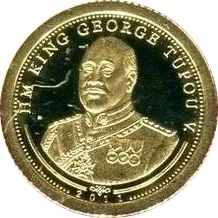
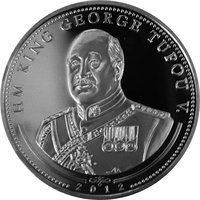
Ruler: George Tupou V
Currency:
(since 1967)
Total mintage: 10,000
Material
References
KM: #
Numista: #405109
Value
Exchange value: 10 TOP
Bullion value: $77.12
Obverse
Reverse
Description:
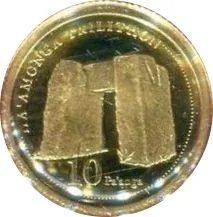
Trilithon: two upright stones supporting a horizontal one.
Inscription:
HA'AMONGA TRILITHON
10 Pa'anga
10 Pa'anga
Script: Latin
Edge
Reeded
Mints
| Name | Mark |
|---|---|
| B. H. Mayer Kunstprageanstalt | — |
Mintings
| Year | Mint Mark | Mintage | Quality | Collection |
|---|---|---|---|---|
| 2011 | — | 10,000 | Proof |
Historical background
In 2011, Tonga's currency situation was characterized by its use of the Pa'anga (TOP), which is pegged to a basket of currencies including the Australian dollar, New Zealand dollar, US dollar, and Japanese yen. This managed float, administered by the National Reserve Bank of Tonga (NRBT), aimed to maintain stability and control inflation by tying the value of the local currency to the performance of these major trading partners' currencies. The peg provided a crucial anchor for the small, import-dependent economy, shielding it from excessive volatility and helping to maintain confidence in the financial system.
The period around 2011 was a challenging one for Tonga's economy, placing pressure on the currency framework. The country was still recovering from the global financial crisis and was burdened by significant public debt, which exceeded 40% of GDP. Furthermore, the economy was adjusting to the conclusion of a major public sector strike in 2005 that had led to substantial wage increases, contributing to fiscal pressures and a reliance on foreign aid and remittances. These remittances from the Tongan diaspora, along with tourism and agricultural exports, were vital sources of foreign exchange needed to support the currency peg.
Despite these economic headwinds, the pegged exchange rate regime remained largely stable in 2011. The National Reserve Bank maintained adequate foreign reserves to defend the peg, a critical factor for an island nation that imports most of its consumable goods and fuel. The stability of the Pa'anga during this period was a testament to the central bank's management, even as it navigated the broader challenges of stimulating economic growth, managing debt, and ensuring that the currency's fixed value did not adversely affect the competitiveness of Tonga's key exports.
The period around 2011 was a challenging one for Tonga's economy, placing pressure on the currency framework. The country was still recovering from the global financial crisis and was burdened by significant public debt, which exceeded 40% of GDP. Furthermore, the economy was adjusting to the conclusion of a major public sector strike in 2005 that had led to substantial wage increases, contributing to fiscal pressures and a reliance on foreign aid and remittances. These remittances from the Tongan diaspora, along with tourism and agricultural exports, were vital sources of foreign exchange needed to support the currency peg.
Despite these economic headwinds, the pegged exchange rate regime remained largely stable in 2011. The National Reserve Bank maintained adequate foreign reserves to defend the peg, a critical factor for an island nation that imports most of its consumable goods and fuel. The stability of the Pa'anga during this period was a testament to the central bank's management, even as it navigated the broader challenges of stimulating economic growth, managing debt, and ensuring that the currency's fixed value did not adversely affect the competitiveness of Tonga's key exports.

✨ Legendary