

5 pence – United Kingdom
Add to wishlist
United Kingdom
Context
Material
References
KM: #
Numista: #382648
Value
Exchange value: 0.05 GBP
Bullion value: $893.26
Inflation-adjusted value: 0.06 GBP
Obverse
Description:
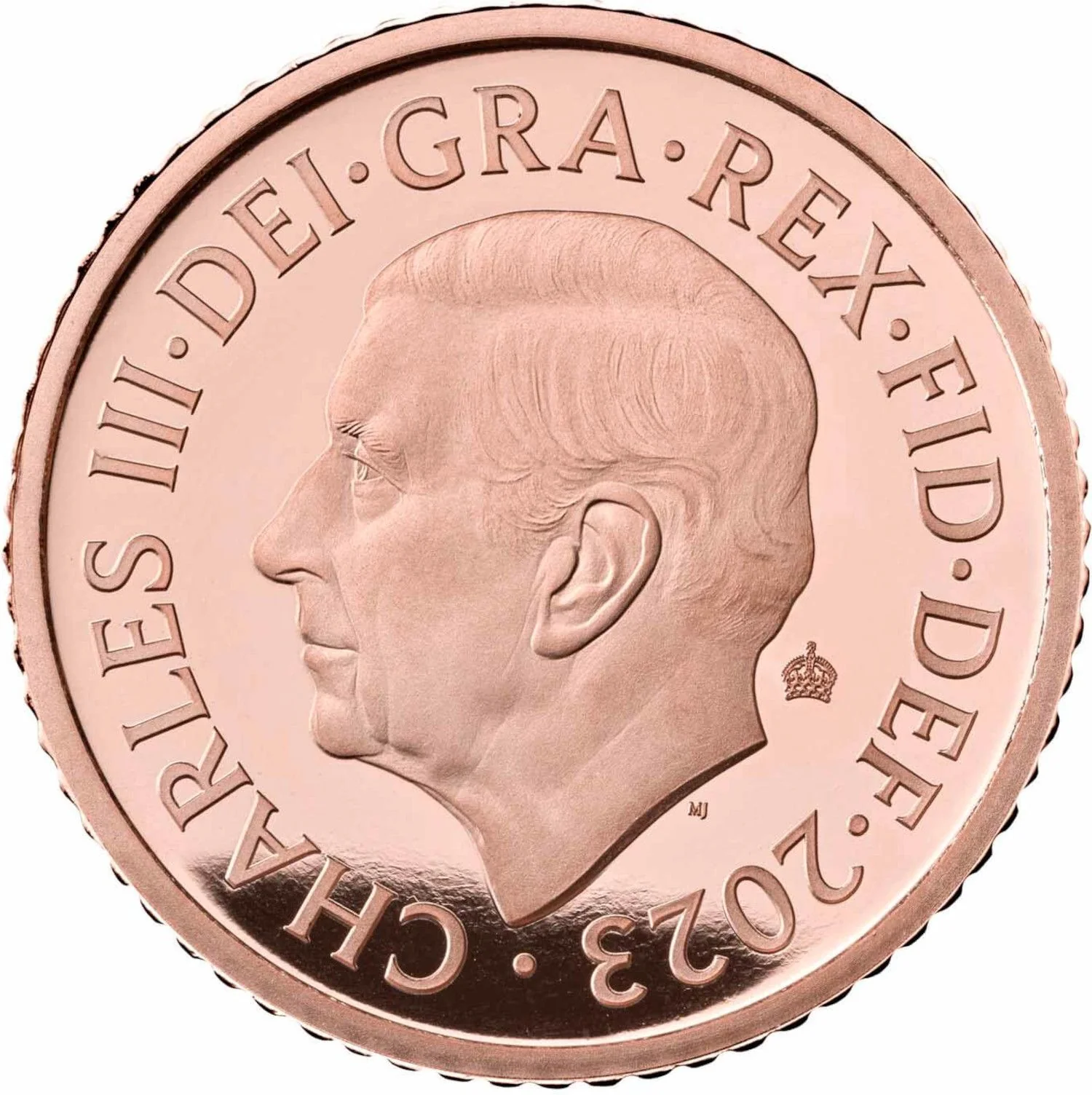
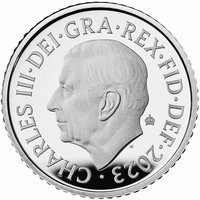
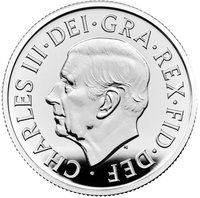
Uncrowned portrait of King Charles III left, legend and date around. Tudor crown privy mark at right.
Inscription:
CHARLES III·DEI·GRA·REX·FID·DEF·2023 ·
MJ
MJ
Translation:
CHARLES III BY THE GRACE OF GOD KING DEFENDER OF THE FAITH 2023
Script: Latin
Language: Latin
Designer: Martin Jennings
Reverse
Description:
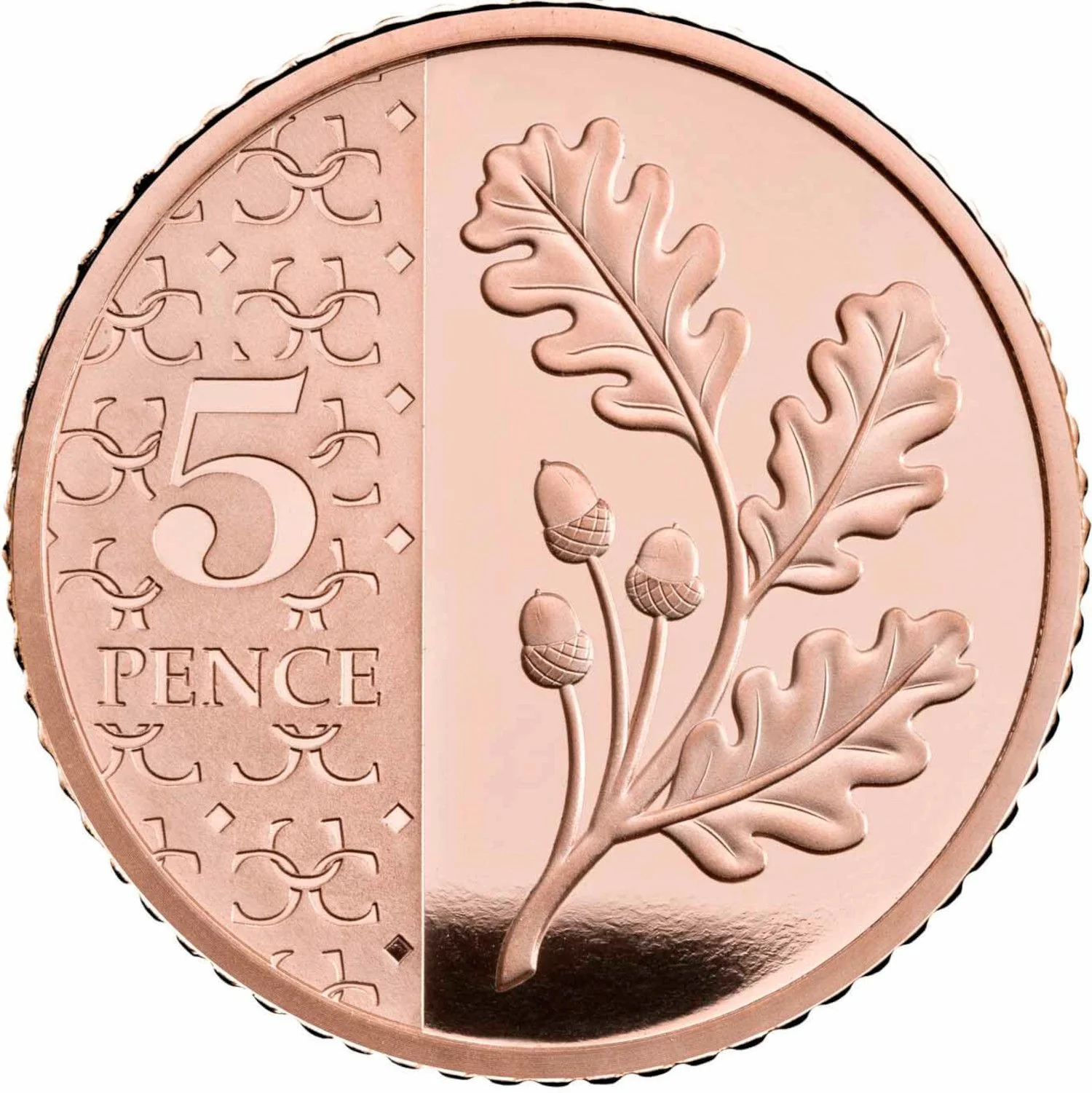
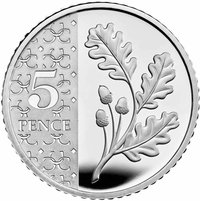
Oak sprig, leaves, and acorns beside royal cypher and denomination.
Inscription:
5
PENCE
PENCE
Script: Latin
Designer: The Royal Mint Team
Edge
Reeded
Mints
| Name | Mark |
|---|---|
| Royal Mint | — |
Mintings
| Year | Mint Mark | Mintage | Quality | Collection |
|---|---|---|---|---|
| 2023 | — | — | Proof | |
| 2024 | — | — | Proof |
Historical background
In 2023, the United Kingdom's currency situation was dominated by the twin challenges of persistent inflation and its monetary policy response. The year began with the pound sterling (GBP) under pressure, having fallen sharply against the US dollar in late 2022 following the "mini-budget" crisis. However, the currency staged a significant recovery throughout 2023, strengthening from lows near $1.07 to around $1.27 by year-end. This rebound was driven by market expectations that the Bank of England (BoE) would maintain higher interest rates for longer than other major central banks, particularly the Federal Reserve, to combat entrenched inflation.
The core economic narrative was the BoE's aggressive tightening cycle. Inflation, though easing from its peak, remained stubbornly high, consistently above the 2% target and more persistent than in other G7 nations. This forced the Monetary Policy Committee (MPC) to raise the Bank Rate repeatedly, reaching a 15-year high of 5.25% in August, where it was held for the remainder of the year. These hikes aimed to curb demand but also increased the attractiveness of sterling for international investors seeking yield, providing further support for the currency's exchange rate.
Despite the pound's external strength, the domestic economic picture was one of strain. High interest rates increased mortgage costs for millions, dampened business investment, and contributed to a stagnant economy, with the UK narrowly avoiding a technical recession. This created a complex dichotomy: a relatively robust currency masking underlying economic fragility. The situation left policymakers walking a tightrope, balancing the need to control inflation against the risk of exacerbating a downturn, with the currency's value acting as both a signal of monetary credibility and a potential headwind to export-led growth.
The core economic narrative was the BoE's aggressive tightening cycle. Inflation, though easing from its peak, remained stubbornly high, consistently above the 2% target and more persistent than in other G7 nations. This forced the Monetary Policy Committee (MPC) to raise the Bank Rate repeatedly, reaching a 15-year high of 5.25% in August, where it was held for the remainder of the year. These hikes aimed to curb demand but also increased the attractiveness of sterling for international investors seeking yield, providing further support for the currency's exchange rate.
Despite the pound's external strength, the domestic economic picture was one of strain. High interest rates increased mortgage costs for millions, dampened business investment, and contributed to a stagnant economy, with the UK narrowly avoiding a technical recession. This created a complex dichotomy: a relatively robust currency masking underlying economic fragility. The situation left policymakers walking a tightrope, balancing the need to control inflation against the risk of exacerbating a downturn, with the currency's value acting as both a signal of monetary credibility and a potential headwind to export-led growth.
✨ Legendary