
In 1884, the City of Khanabad, a strategic trading hub in the Emirate of Bukhara, existed within a complex and layered monetary ecosystem. Officially, the currency was the Bukharan
tenga, a small, silver coin stamped with the Emir's name. However, the city's position on the crossroads of caravan routes meant that a multitude of other currencies circulated freely and were essential for commerce. Russian Imperial rubles (both silver and paper), Persian
krans, British Indian rupees, and even gold
tillas from the neighboring Khanate of Khiva changed hands daily in the bustling
chorsu (market), their value determined by weight, metal purity, and the ever-fluctuating rates of money-changers.
This monetary pluralism was a direct reflection of Khanabad's political reality. While nominally under the sovereignty of the Emir in Bukhara, the city felt the growing shadow of the Russian Empire, which had established a protectorate over Bukhara following the 1868 treaty. Russian rubles were increasingly used for official duties and large-scale trade, especially with the growing number of Russian merchants and the nearby Imperial garrison. This created a de facto dual system: the silver tenga for local transactions and taxes, and the ruble for dealings with the imperial sphere, leading to occasional confusion and arbitrage.
The situation was further complicated by a chronic shortage of standardized small change, hindering everyday market life. To bridge this gap, merchants and
sarrafs (money-changers/bankers) often issued their own
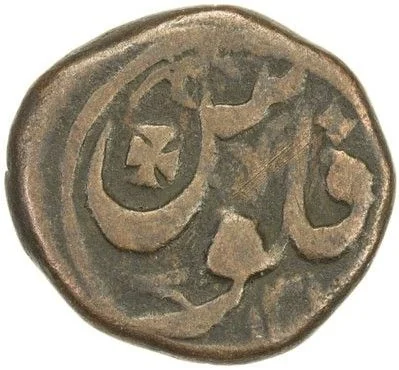
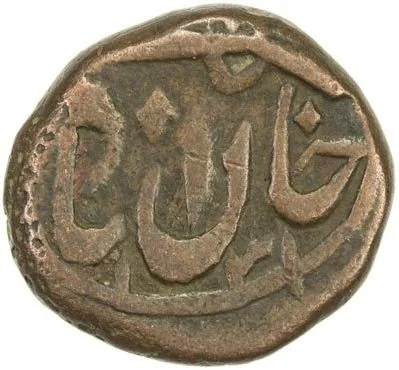
fulus—crude copper or brass tokens—valid only within their own network of shops or caravanserais. Consequently, a simple purchase could involve calculating in tengas, paying with a mix of worn Russian kopecks and Persian copper coins, and receiving merchant tokens as change. This fragile, heterogeneous system underscored Khanabad's transitional state, caught between its Silk Road past and an uncertain future under imperial influence.