

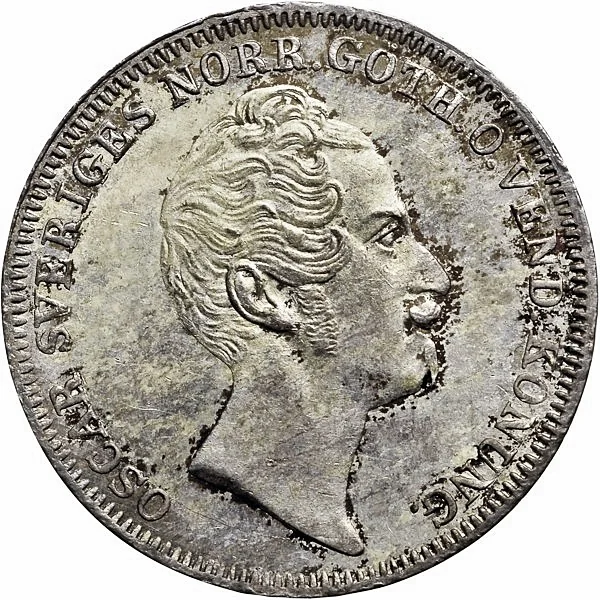
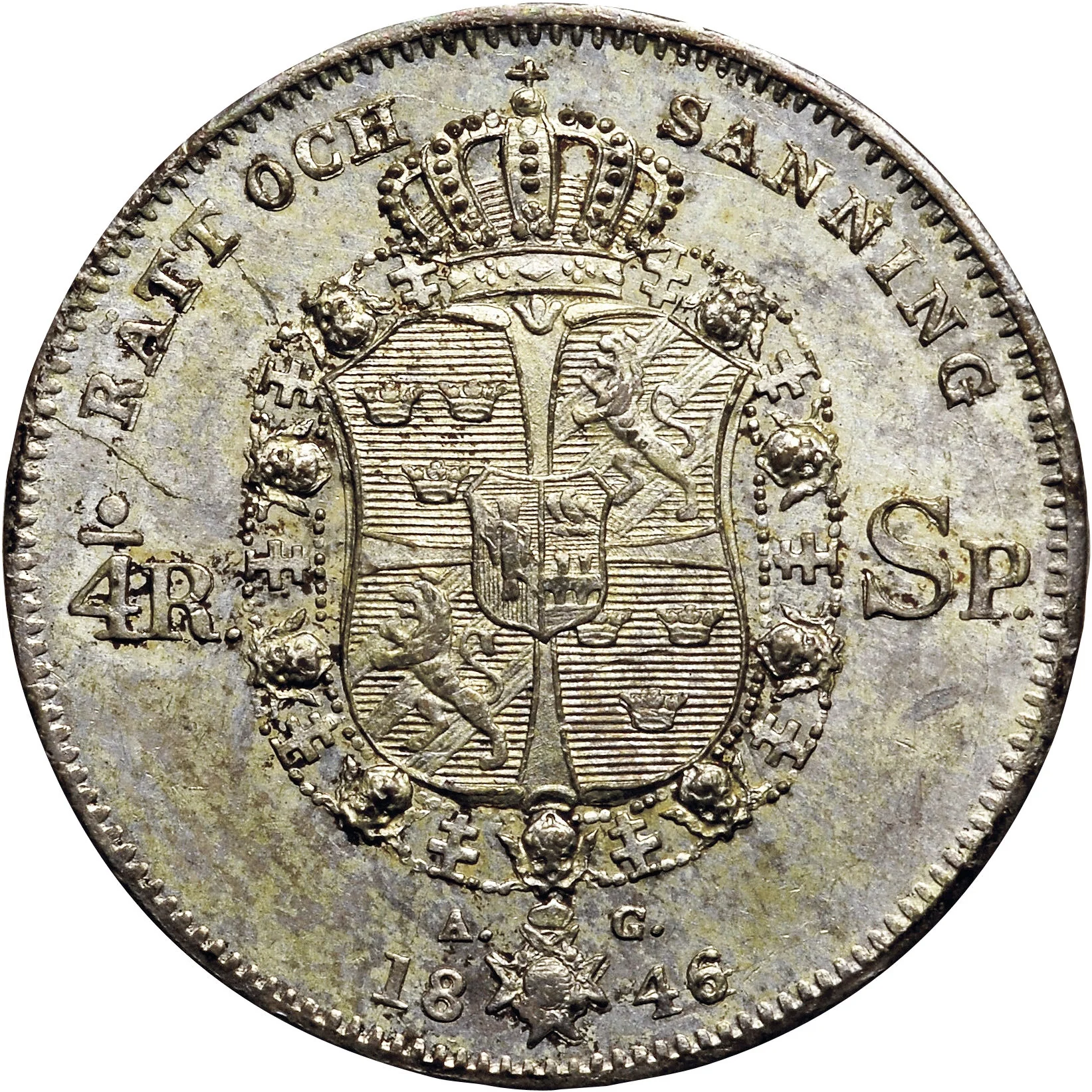
¼ riksdaler specie – Sweden
Add to wishlist
Sweden
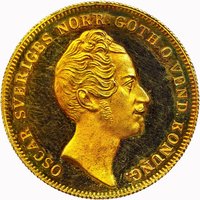
Obverse
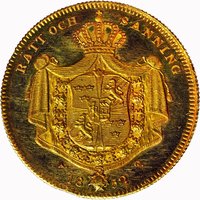
Reverse
Description:
Sweden’s crowned Arms, encircled by the Seraphim Order’s Chain, divides the value. The King’s motto is above; the date and mintmark are below, separated by the Chain’s pendant.
Inscription:
RÄTT OCH SANNING
·/4 R. Sp.
A. G.
18 46
·/4 R. Sp.
A. G.
18 46
Translation:
Right and Truth
·/4 R. Sp.
A. G.
18 46
·/4 R. Sp.
A. G.
18 46
Script: Latin
Language: Swedish
Edge
Categories
| Symbols> Coat of Arms |
Mintings
| Year | Mint Mark | Mintage | Quality | Collection |
|---|---|---|---|---|
| 1846 | AG | 220,924 | ||
| 1848 | AG | 129,868 | ||
| 1852 | AG | — |
Historical background
In 1846, Sweden’s currency system was in a state of transition, caught between the old and the emerging modern economy. The official system was the Riksdaler Riksmynt, established in 1776, which operated on a silver standard. However, the currency landscape was complex and often chaotic. Due to prolonged budget deficits and periods of war finance, the government had frequently resorted to issuing irredeemable paper money, known as Riksgäldssedlar. This created a dual system where paper notes circulated at a fluctuating and often discounted value compared to silver coin, undermining public confidence and complicating trade.
The economic pressures of the early 19th century, including the loss of Finland in 1809 and a subsequent deep recession, had exacerbated these monetary problems. By the 1840s, there was a strong political and economic consensus on the need for stability and reform. Influenced by the successful establishment of the Norwegian speciedaler on a silver standard in 1816, Swedish reformers, led by Finance Minister Johan August Gripenstedt, pushed for a similar move to secure a trustworthy and uniform currency. The goal was to restore full convertibility between paper notes and silver, thereby eliminating the damaging discount and creating a single, reliable medium of exchange.
Consequently, 1846 was a pivotal preparatory year. The Riksdag (parliament) was actively debating the necessary legislation, which would culminate in the Currency Reform of 1855. The key decision, solidified during this period, was to formally adopt the silver standard and define the new Riksdaler Riksmynt as the sole legal tender, with plans to make banknotes fully convertible. Thus, the situation in 1846 was one of deliberate planning, setting the stage for the definitive break from the unstable past and laying the foundation for the modern Swedish monetary system that would foster greater economic integration and industrial growth.
The economic pressures of the early 19th century, including the loss of Finland in 1809 and a subsequent deep recession, had exacerbated these monetary problems. By the 1840s, there was a strong political and economic consensus on the need for stability and reform. Influenced by the successful establishment of the Norwegian speciedaler on a silver standard in 1816, Swedish reformers, led by Finance Minister Johan August Gripenstedt, pushed for a similar move to secure a trustworthy and uniform currency. The goal was to restore full convertibility between paper notes and silver, thereby eliminating the damaging discount and creating a single, reliable medium of exchange.
Consequently, 1846 was a pivotal preparatory year. The Riksdag (parliament) was actively debating the necessary legislation, which would culminate in the Currency Reform of 1855. The key decision, solidified during this period, was to formally adopt the silver standard and define the new Riksdaler Riksmynt as the sole legal tender, with plans to make banknotes fully convertible. Thus, the situation in 1846 was one of deliberate planning, setting the stage for the definitive break from the unstable past and laying the foundation for the modern Swedish monetary system that would foster greater economic integration and industrial growth.
✨ Legendary