

20 rials – Iran
Add to wishlist
Iran
Context
Years: 1973–1978
Issuer: Iran
Ruler: Mohammad Reza
Currency:
(since 1932)
Demonetization: 1979
Total mintage: 28,847,000
Material
References
KM: #
Numista: #3766
Value
Exchange value: 20 IRR
Obverse
Description:
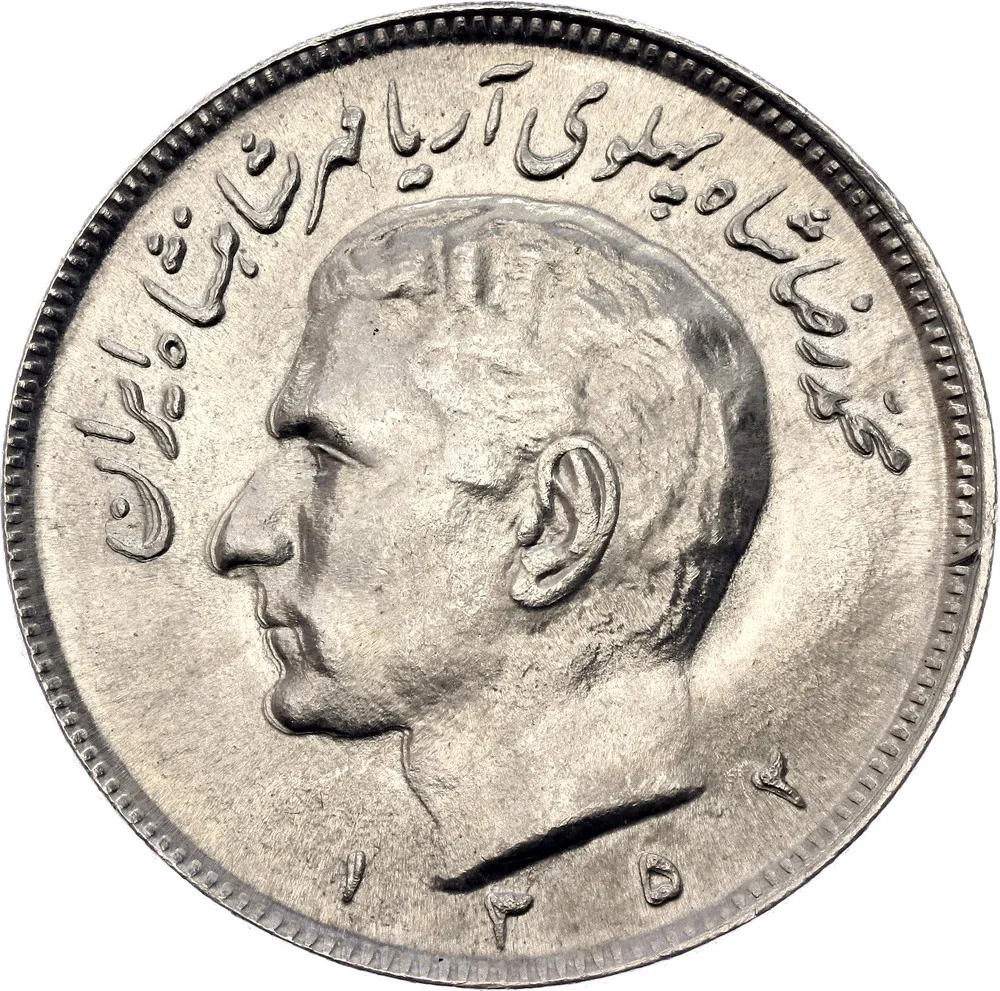
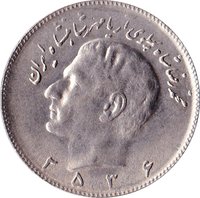
Shah Mohammad Reza Pahlavi left-facing bust, legend above, date below.
Reverse
Description:
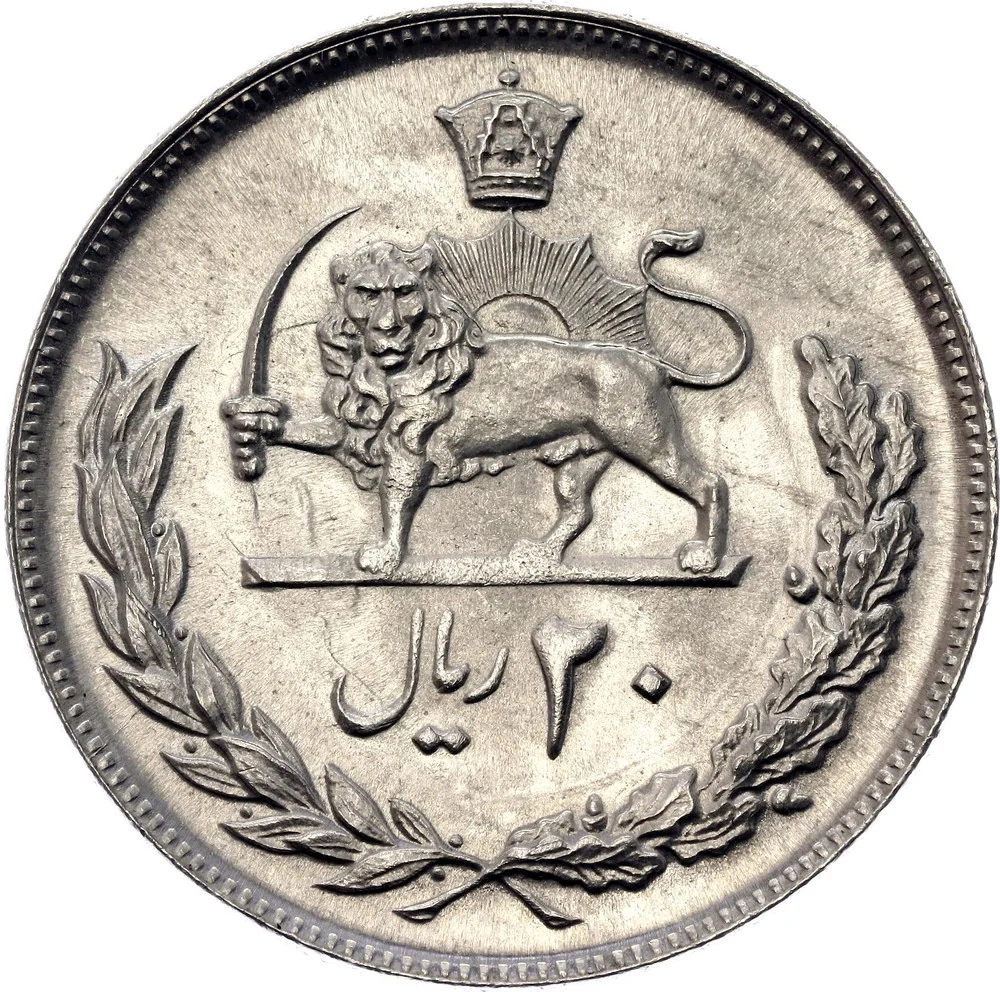
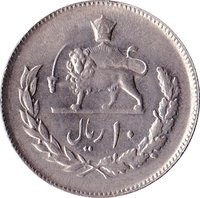
Shir-o-Khorshid emblem: a radiant sun and lion with a sabre, topped by a crown and flanked by olive and oak branches.
Edge
Milled
Mints
| Name | Mark |
|---|---|
| Tehran | — |
Mintings
| Year | Mint Mark | Mintage | Quality | Collection |
|---|---|---|---|---|
| 1973 | — | — | ||
| 1974 | — | 12,601,000 | ||
| 1975 | — | 16,246,000 | ||
| 1977 | — | — | ||
| 1978 | — | — | ||
| 1978 | — | — |
Historical background
In 1973, Iran’s currency situation was one of remarkable strength and stability, underpinned by the nation's soaring oil revenues. The Iranian Rial was a fully convertible and respected currency, pegged to the U.S. dollar at a fixed rate of approximately 75.75 Rials per dollar—a parity maintained since 1957. This stability was a direct result of the economic transformation initiated by the Shah, Mohammad Reza Pahlavi, who used the country's vast petroleum resources to finance an ambitious program of modernization and military expansion known as the "White Revolution."
The catalyst for this strong position was the 1973 oil crisis. Following the Yom Kippur War, Iran, as a leading member of OPEC, participated in the oil embargo against nations supporting Israel and, crucially, orchestrated a massive increase in the price of crude oil. As a result, state oil revenues quadrupled almost overnight, flooding the treasury with foreign exchange reserves. This windfall eliminated balance of payments concerns and allowed the government to fund its expansive development projects without needing to borrow externally, further bolstering international confidence in the Rial.
However, this apparent strength masked underlying vulnerabilities. The economy was becoming dangerously overheated, with massive government spending fueling inflation and creating bottlenecks in infrastructure and skilled labor. The fixed exchange rate, while a symbol of stability, began to overvalue the Rial as domestic prices rose, hurting non-oil exports and encouraging a surge in imports. Consequently, by 1973, the currency's robust facade was increasingly disconnected from domestic economic pressures, sowing the seeds for future instability despite the vast influx of petrodollars.
The catalyst for this strong position was the 1973 oil crisis. Following the Yom Kippur War, Iran, as a leading member of OPEC, participated in the oil embargo against nations supporting Israel and, crucially, orchestrated a massive increase in the price of crude oil. As a result, state oil revenues quadrupled almost overnight, flooding the treasury with foreign exchange reserves. This windfall eliminated balance of payments concerns and allowed the government to fund its expansive development projects without needing to borrow externally, further bolstering international confidence in the Rial.
However, this apparent strength masked underlying vulnerabilities. The economy was becoming dangerously overheated, with massive government spending fueling inflation and creating bottlenecks in infrastructure and skilled labor. The fixed exchange rate, while a symbol of stability, began to overvalue the Rial as domestic prices rose, hurting non-oil exports and encouraging a surge in imports. Consequently, by 1973, the currency's robust facade was increasingly disconnected from domestic economic pressures, sowing the seeds for future instability despite the vast influx of petrodollars.
🌱 Very Common