

1 pahlavī – Iran
Add to wishlist
Iran
Context
Years: 1941–1945
Issuer: Iran
Issuing organization: Bank Melli Iran
Ruler: Mohammad Reza
Currency:
Demonetization: 1979
Total mintage: 311,000
Material
References
KM: #
Numista: #37230
Value
Bullion value: $1116.72
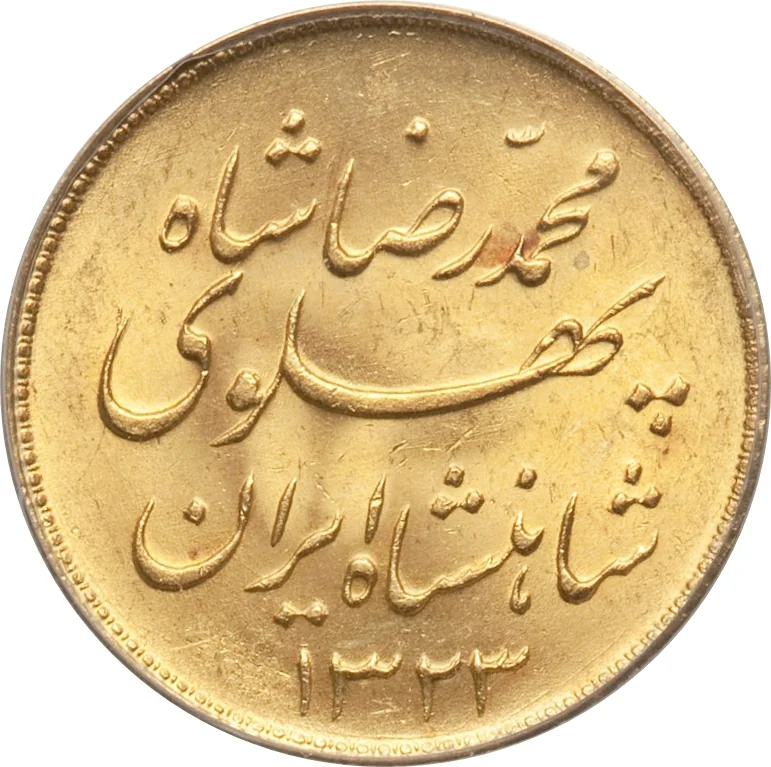
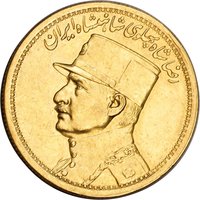
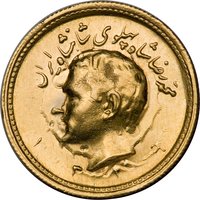
Obverse
Description:
Legend: Pahlavi II coinage date.
Inscription:
محمّدرضا شاه
پهــــلوى
شاهنشاه ايران
۱۳۲۳
پهــــلوى
شاهنشاه ايران
۱۳۲۳
Translation:
Mohammad Reza Shah
Pahlavi
King of Kings of Iran
1323
Pahlavi
King of Kings of Iran
1323
Script: Persian (nastaliq)
Language: Persian
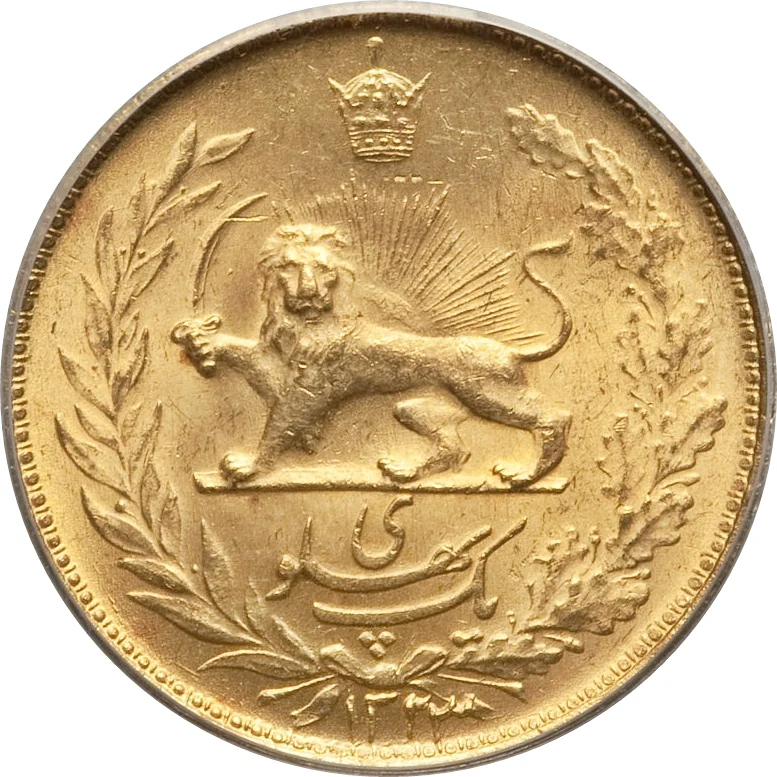
Reverse
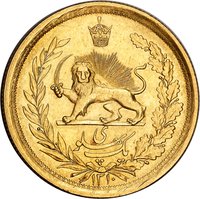
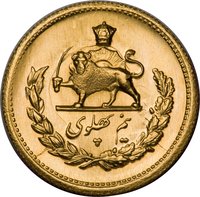
Description:
Pahlavi coat of arms coin date
Inscription:
يك پهـــلوى
۱۳۲۳
۱۳۲۳
Translation:
One Pahlavi
1323
1323
Script: Persian (nastaliq)
Language: Persian
Edge
Reeded
Mints
| Name | Mark |
|---|---|
| Tehran | — |
Mintings
| Year | Mint Mark | Mintage | Quality | Collection |
|---|---|---|---|---|
| 1941 | — | — | ||
| 1942 | — | — | ||
| 1943 | — | — | ||
| 1944 | — | 311,000 | ||
| 1945 | — | — |
Historical background
In 1941, Iran's currency situation was defined by the disruptive presence of foreign powers and underlying economic fragility. Following the Allied invasion in August, which forced Reza Shah's abdication, the country was effectively partitioned into British and Soviet zones of occupation. This military control severely undermined Iran's economic sovereignty, as the occupying powers began issuing their own military currency to fund their operations and procure local supplies. This influx of unbacked foreign notes, circulating alongside Iran's national currency, the rial, triggered inflationary pressures and sowed confusion in the monetary system.
The foundation of Iran's currency, the rial, was theoretically based on a gold standard, but its stability was heavily dependent on the National Bank of Iran (Bank Melli Iran), which held the exclusive right of note issuance. However, the bank's reserves and policies were not robust enough to withstand the shock of the invasion and the massive new demands placed on the economy. The war severed normal trade routes, leading to shortages of essential goods, while the Allies' large-scale spending on local resources and infrastructure—without corresponding increases in production—created a classic inflationary environment of too much money chasing too few goods.
Consequently, the year ended with a currency system in crisis. The uncoordinated issuance of military scrip by the British and Soviets, combined with rising government deficits and supply bottlenecks, placed the rial under significant strain, initiating a decline in its value. This period marked the beginning of a wartime economic turmoil that would lead to severe inflation and hardship in the coming years, as Iran's monetary policy was largely dictated by the exigencies of the Allied war effort rather than domestic stability.
The foundation of Iran's currency, the rial, was theoretically based on a gold standard, but its stability was heavily dependent on the National Bank of Iran (Bank Melli Iran), which held the exclusive right of note issuance. However, the bank's reserves and policies were not robust enough to withstand the shock of the invasion and the massive new demands placed on the economy. The war severed normal trade routes, leading to shortages of essential goods, while the Allies' large-scale spending on local resources and infrastructure—without corresponding increases in production—created a classic inflationary environment of too much money chasing too few goods.
Consequently, the year ended with a currency system in crisis. The uncoordinated issuance of military scrip by the British and Soviets, combined with rising government deficits and supply bottlenecks, placed the rial under significant strain, initiating a decline in its value. This period marked the beginning of a wartime economic turmoil that would lead to severe inflation and hardship in the coming years, as Iran's monetary policy was largely dictated by the exigencies of the Allied war effort rather than domestic stability.
💎 Very Rare