

20 dollars – Liberia
Add to wishlist
Non-circulating coins
Commemoration: Mahatma Gandhi
Liberia
Obverse
Description:
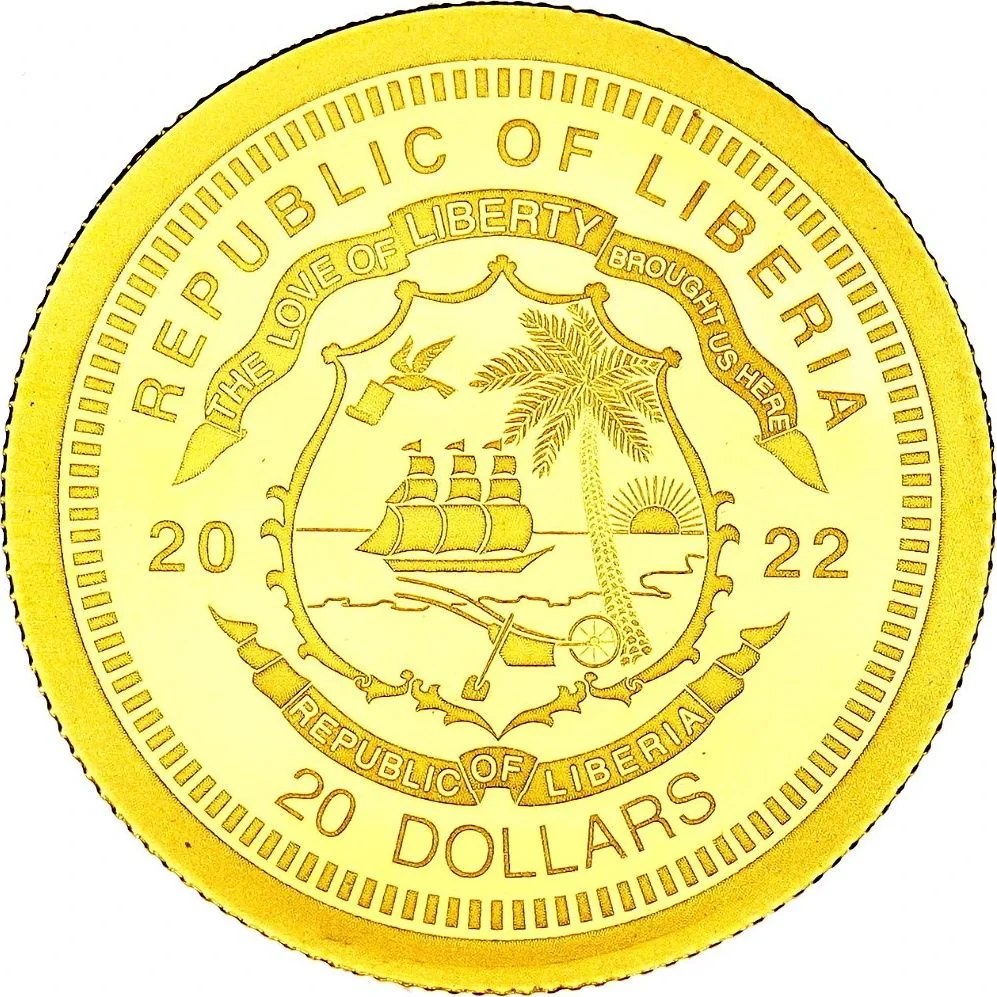
Liberian coat of arms divides date and denomination.
Inscription:
REPUBLIC OF LIBERIA
THE LOVE OF LIBERTY BROUGHT US HERE
20 22
REPUBLIC OF LIBERIA
20 DOLLARS
THE LOVE OF LIBERTY BROUGHT US HERE
20 22
REPUBLIC OF LIBERIA
20 DOLLARS
Script: Latin
Reverse
Inscription:
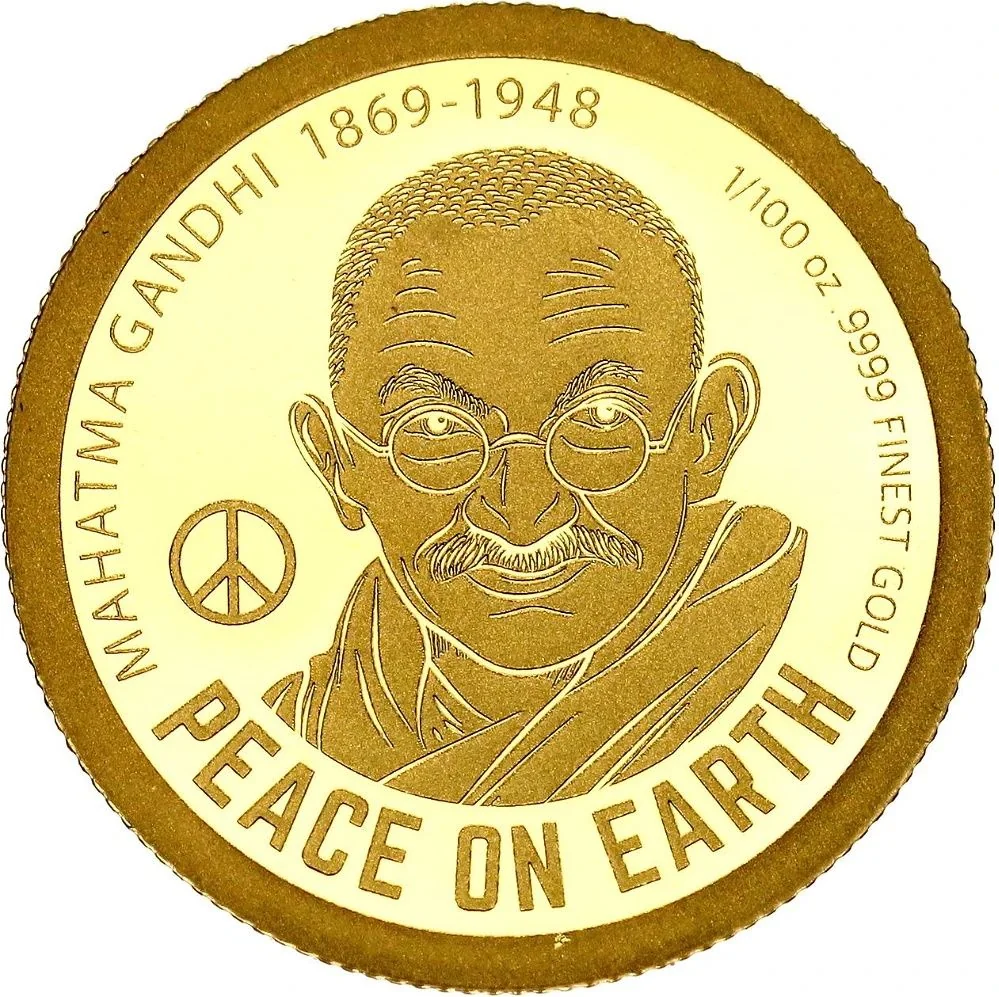
MAHATMA GANDHI 1869-1948
1/100 OZ .9999 FINEST GOLD
PEACE ON EARTH
1/100 OZ .9999 FINEST GOLD
PEACE ON EARTH
Script: Latin
Edge
Reeded
Categories
| Person> Politician |
Mintings
| Year | Mint Mark | Mintage | Quality | Collection |
|---|---|---|---|---|
| 2022 | — | — |
Historical background
In 2022, Liberia continued to grapple with a complex dual-currency system, a legacy of its civil wars and economic instability. The official currency is the Liberian dollar (LRD), but the US dollar (USD) is widely used and accepted for most significant transactions, including government contracts, rent, and major purchases. This dollarization creates a persistent dependency, as confidence in the local currency remains low due to historical episodes of hyperinflation and a lack of robust foreign exchange reserves to fully back the LRD in circulation.
The year was marked by significant inflationary pressure and exchange rate volatility. Inflation averaged around 8.5%, driven largely by global shocks from the Ukraine conflict, which increased prices for imported food and fuel. The exchange rate depreciated steadily, moving from approximately 150 LRD to 1 USD at the start of the year to nearly 160 LRD by year's end. This depreciation eroded purchasing power for the majority of the population who earn and spend in Liberian dollars, exacerbating poverty and economic hardship.
The Central Bank of Liberia (CBL) faced the difficult task of managing this fragile system. Its primary focus was on mopping up excess liquidity of Liberian dollars to stabilize the exchange rate and curb inflation, while also striving to build its foreign reserves. However, these efforts were constrained by a largely cash-based economy, limited financial inclusion, and structural issues like a large trade deficit. Consequently, the dual-currency environment persisted, presenting ongoing challenges for monetary policy, price stability, and inclusive economic growth throughout 2022.
The year was marked by significant inflationary pressure and exchange rate volatility. Inflation averaged around 8.5%, driven largely by global shocks from the Ukraine conflict, which increased prices for imported food and fuel. The exchange rate depreciated steadily, moving from approximately 150 LRD to 1 USD at the start of the year to nearly 160 LRD by year's end. This depreciation eroded purchasing power for the majority of the population who earn and spend in Liberian dollars, exacerbating poverty and economic hardship.
The Central Bank of Liberia (CBL) faced the difficult task of managing this fragile system. Its primary focus was on mopping up excess liquidity of Liberian dollars to stabilize the exchange rate and curb inflation, while also striving to build its foreign reserves. However, these efforts were constrained by a largely cash-based economy, limited financial inclusion, and structural issues like a large trade deficit. Consequently, the dual-currency environment persisted, presenting ongoing challenges for monetary policy, price stability, and inclusive economic growth throughout 2022.



✨ Legendary