

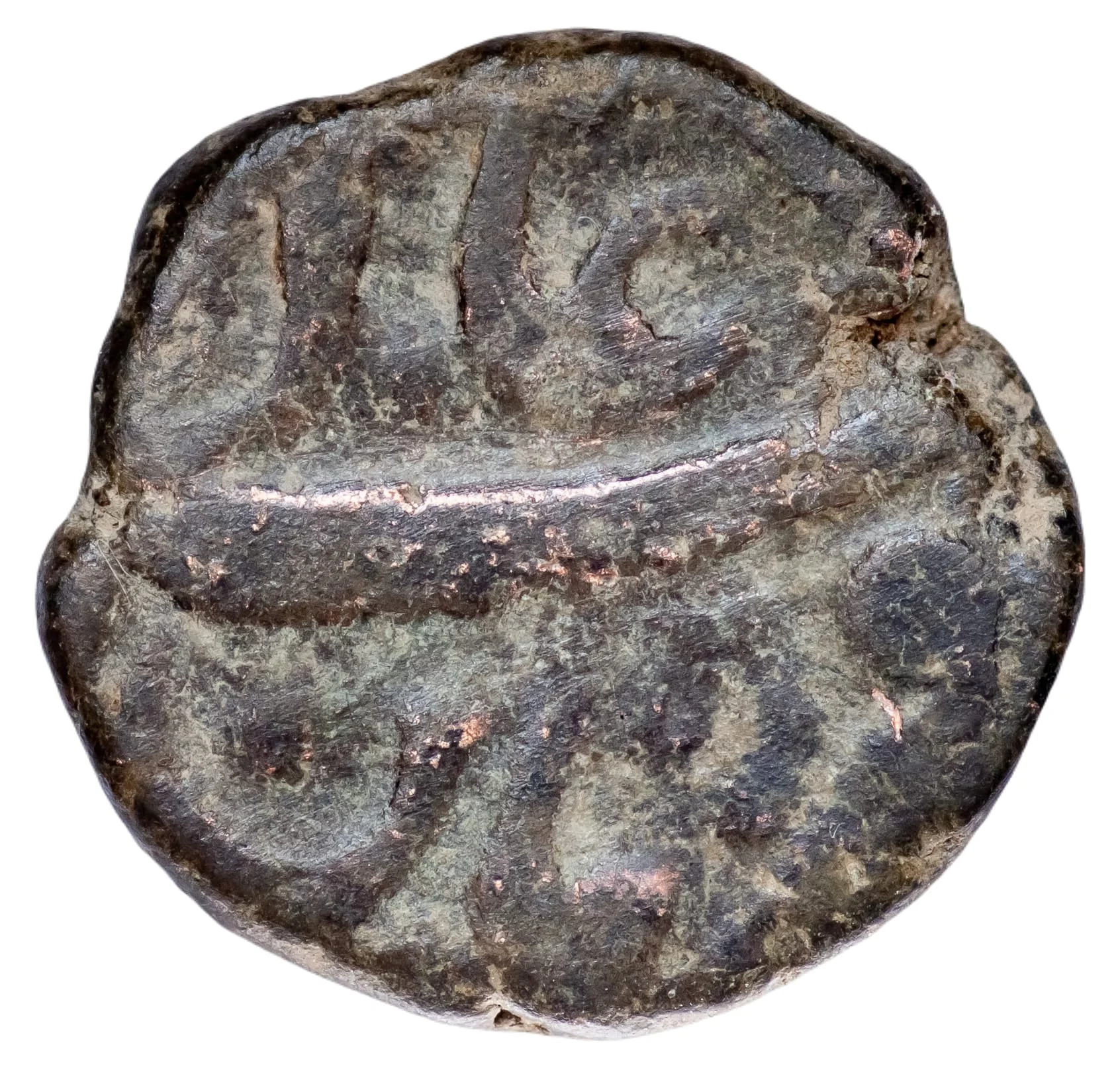
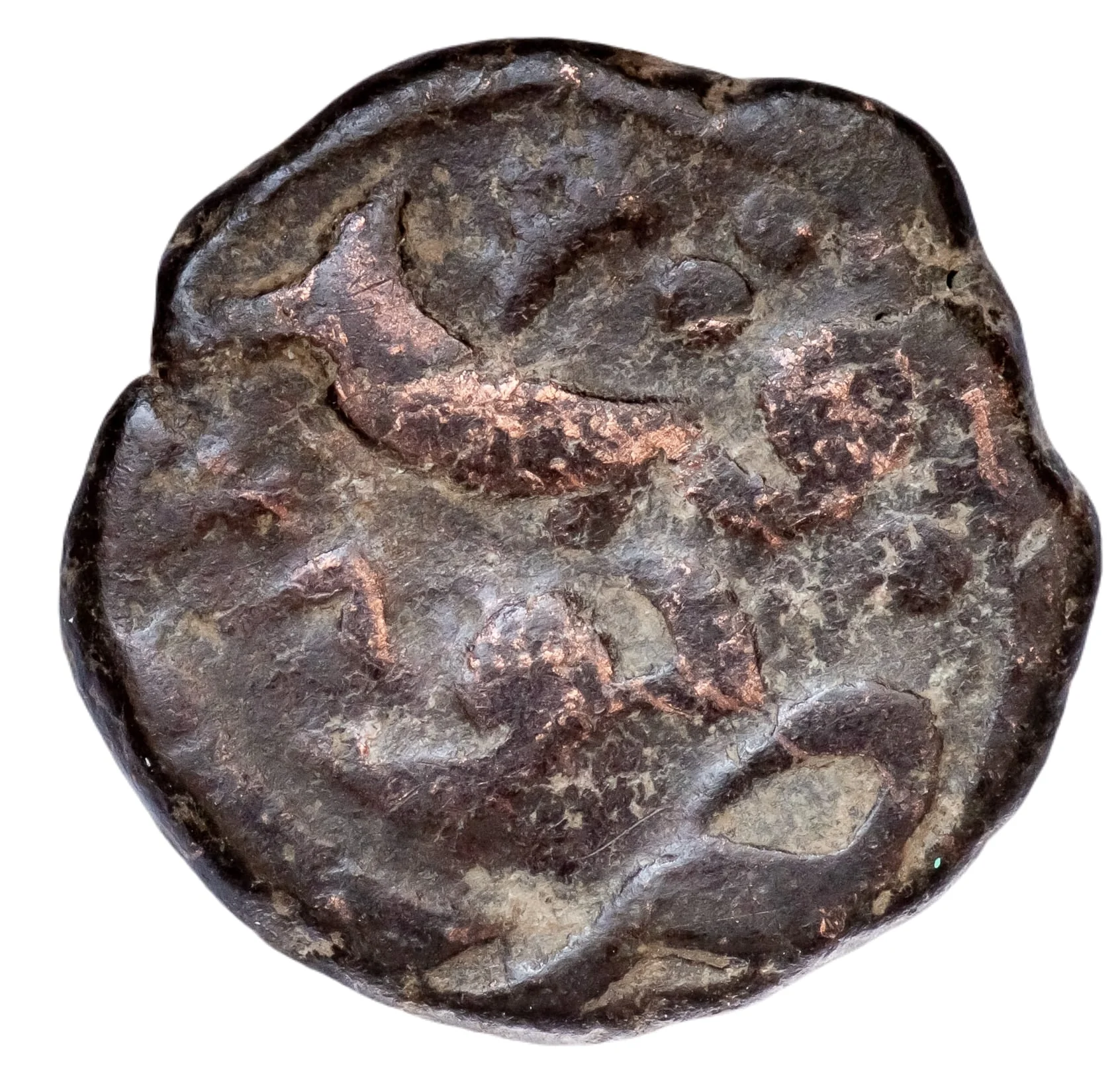
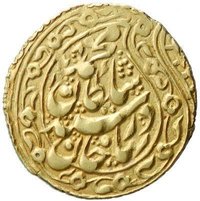
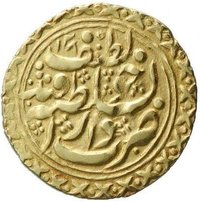
1 pul – Khoqand Khanate
Add to wishlist
Context
Years: 1863–1864
Country: Central Asia
Issuer: Khoqand Khanate
Ruler: Muhammad Sultan Khan
Currency:
(1796—1876)
Demonetized: Yes
Material
References
Numista: #364328
Mintings
| Year | Mint Mark | Mintage | Quality | Collection |
|---|---|---|---|---|
| 1863 | — | — | ||
| 1864 | — | — |
Historical background
By 1863, the currency system of the Khoqand Khanate was in a state of severe crisis, reflecting the broader political and economic disintegration of the state. For decades, the Khanate had financed its military campaigns and court expenditures through the relentless debasement of its primary silver coin, the tanga. Successive khans, particularly in the decades following Russian expansion into the Syr-Darya region, responded to fiscal shortfalls by repeatedly reducing the silver content of their coinage while maintaining its nominal face value. This practice led to a proliferation of coins of wildly varying purity, causing widespread confusion, loss of public trust, and rampant inflation in local markets.
The situation was exacerbated by intense internal strife. 1863 fell within the chaotic reign of Khudayar Khan, who faced constant revolts from powerful tribal leaders and religious factions. As his control over the provinces weakened, regional lords and rebellious commanders began striking their own crude copper and silver coins, further fragmenting the monetary system. This period saw multiple currencies circulating simultaneously: old full-weight tangas were hoarded, newer debased issues were reluctantly accepted at a discount, and various local imitations competed for legitimacy, paralyzing inter-regional trade.
This monetary collapse occurred against the backdrop of relentless Russian Imperial pressure from the north. The Khanate’s economy, heavily reliant on trade across the Central Asian steppe, was being strangled as Russian fortresses advanced along the Syr-Darya River. The currency crisis was, therefore, both a symptom and a cause of Khoqand’s terminal decline. It undermined the state’s ability to pay its troops, eroded the legitimacy of the central authority, and created economic hardship that fueled further rebellion, leaving the Khanate critically vulnerable just two years before its formal annexation by the Russian Empire in 1865.
The situation was exacerbated by intense internal strife. 1863 fell within the chaotic reign of Khudayar Khan, who faced constant revolts from powerful tribal leaders and religious factions. As his control over the provinces weakened, regional lords and rebellious commanders began striking their own crude copper and silver coins, further fragmenting the monetary system. This period saw multiple currencies circulating simultaneously: old full-weight tangas were hoarded, newer debased issues were reluctantly accepted at a discount, and various local imitations competed for legitimacy, paralyzing inter-regional trade.
This monetary collapse occurred against the backdrop of relentless Russian Imperial pressure from the north. The Khanate’s economy, heavily reliant on trade across the Central Asian steppe, was being strangled as Russian fortresses advanced along the Syr-Darya River. The currency crisis was, therefore, both a symptom and a cause of Khoqand’s terminal decline. It undermined the state’s ability to pay its troops, eroded the legitimacy of the central authority, and created economic hardship that fueled further rebellion, leaving the Khanate critically vulnerable just two years before its formal annexation by the Russian Empire in 1865.
✨ Legendary