

10 nuevos pesos – Uruguay
Add to wishlist
Uruguay
Context
Year: 1981
Issuer: Uruguay
Period:
(since 1825)
Currency:
(1975—1993)
Demonetization: 30 November 1991
Total mintage: 3,000,000
Material
Diameter: 28 mm
Weight: 10 g
Thickness: 2.4 mm
Shape: Round
Composition: Copper-nickel
Technique: Milled
Alignment: Medal alignment
flip
References
KM: #
Numista: #3630
Value
Exchange value: 10 UYN
Obverse
Description:
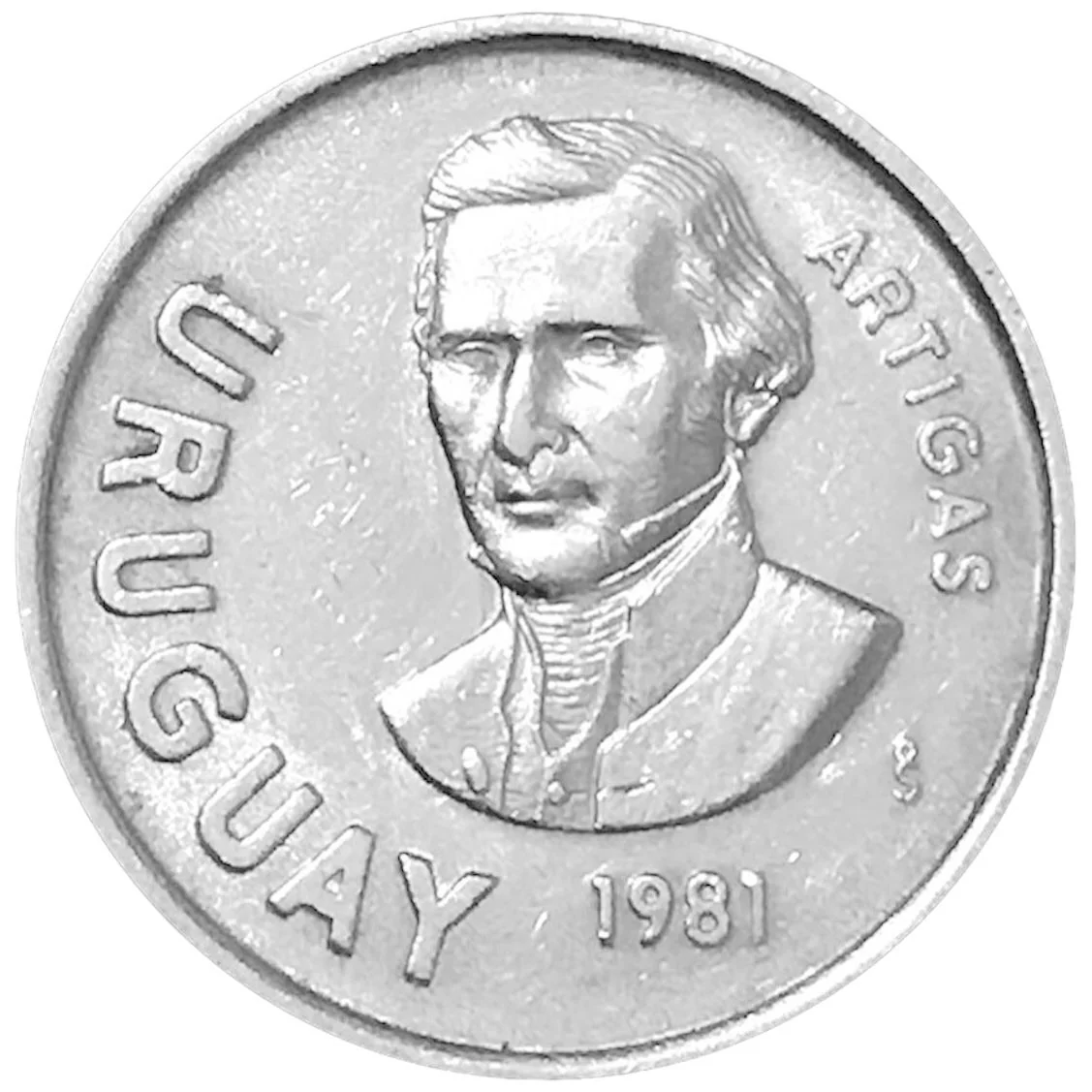
Portrait of national hero Jose Artigas facing left; country name left, date right below.
Inscription:
URUGUAY ARTIGAS
So
1981
So
1981
Script: Latin
Reverse
Description:
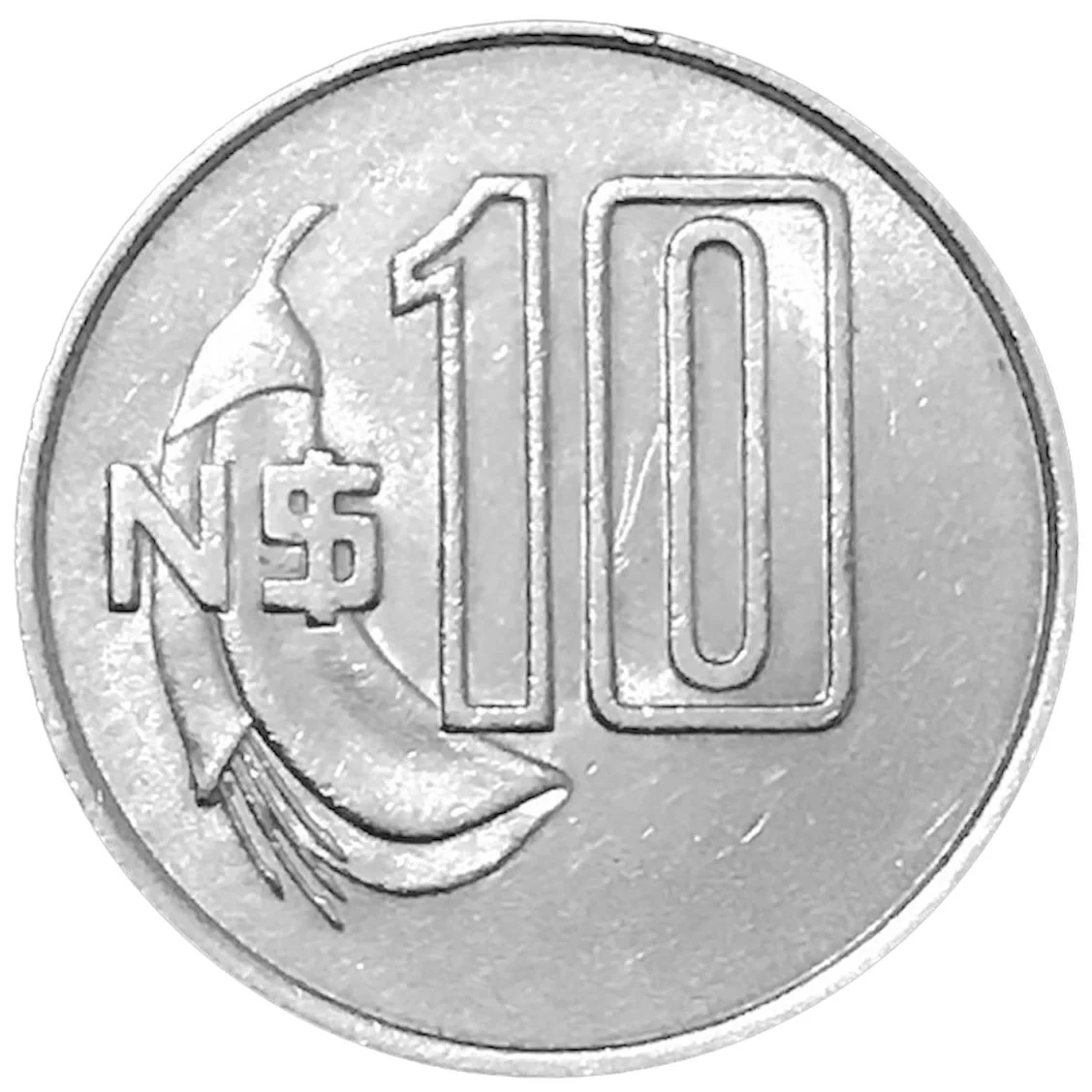
Coral flower (Erythrina cristagalli), Uruguay's national flower. Denomination left, numeral value right.
Inscription:
N$ 10
Script: Latin
Edge
Reeded
Categories
| Person> Military leader |
| Person> Politician |
| Plants> Flower |
Mints
| Name | Mark |
|---|---|
| Casa de Moneda de Chile | (So) |
Mintings
| Year | Mint Mark | Mintage | Quality | Collection |
|---|---|---|---|---|
| 1981 | So | 3,000,000 |
Historical background
In 1981, Uruguay was in the midst of a severe economic and financial crisis, deeply rooted in the preceding decade's policies. The military dictatorship (1973-1985) had pursued financial liberalization in the 1970s, removing restrictions on capital flows and maintaining high domestic interest rates. This attracted significant short-term foreign capital, leading to a credit boom and an overvalued peso. However, this model created dangerous imbalances, including a growing current account deficit and a heavily indebted private sector, much of it in US dollars.
The currency situation became acutely unstable in 1981. The overvaluation of the peso, coupled with a regional economic downturn and a rise in international interest rates, triggered a massive loss of confidence. A wave of capital flight ensued, putting immense pressure on the peso and the country's foreign exchange reserves. In November 1981, the authorities were forced to abandon the crawling peg exchange rate regime, leading to a sharp and disorderly devaluation. The peso's value plummeted, falling by over 40% against the US dollar by year's end.
This currency collapse had devastating consequences. It precipitated a full-blown banking crisis as debtors (especially businesses and farmers) who had borrowed in dollars saw their peso-denominated incomes collapse, making repayment impossible. The Central Bank was forced to intervene with costly bailouts. The year 1981 marked the beginning of Uruguay's deepest economic contraction of the 20th century, with GDP falling sharply and setting the stage for a prolonged period of stagnation, high inflation, and social hardship that would define the remainder of the dictatorship.
The currency situation became acutely unstable in 1981. The overvaluation of the peso, coupled with a regional economic downturn and a rise in international interest rates, triggered a massive loss of confidence. A wave of capital flight ensued, putting immense pressure on the peso and the country's foreign exchange reserves. In November 1981, the authorities were forced to abandon the crawling peg exchange rate regime, leading to a sharp and disorderly devaluation. The peso's value plummeted, falling by over 40% against the US dollar by year's end.
This currency collapse had devastating consequences. It precipitated a full-blown banking crisis as debtors (especially businesses and farmers) who had borrowed in dollars saw their peso-denominated incomes collapse, making repayment impossible. The Central Bank was forced to intervene with costly bailouts. The year 1981 marked the beginning of Uruguay's deepest economic contraction of the 20th century, with GDP falling sharply and setting the stage for a prolonged period of stagnation, high inflation, and social hardship that would define the remainder of the dictatorship.
🌱 Very Common