

25 cents – Trinidad and Tobago
Add to wishlist
Trinidad and Tobago
Context
Material
References
KM: #
Numista: #140716
Value
Exchange value: 0.25 TTD
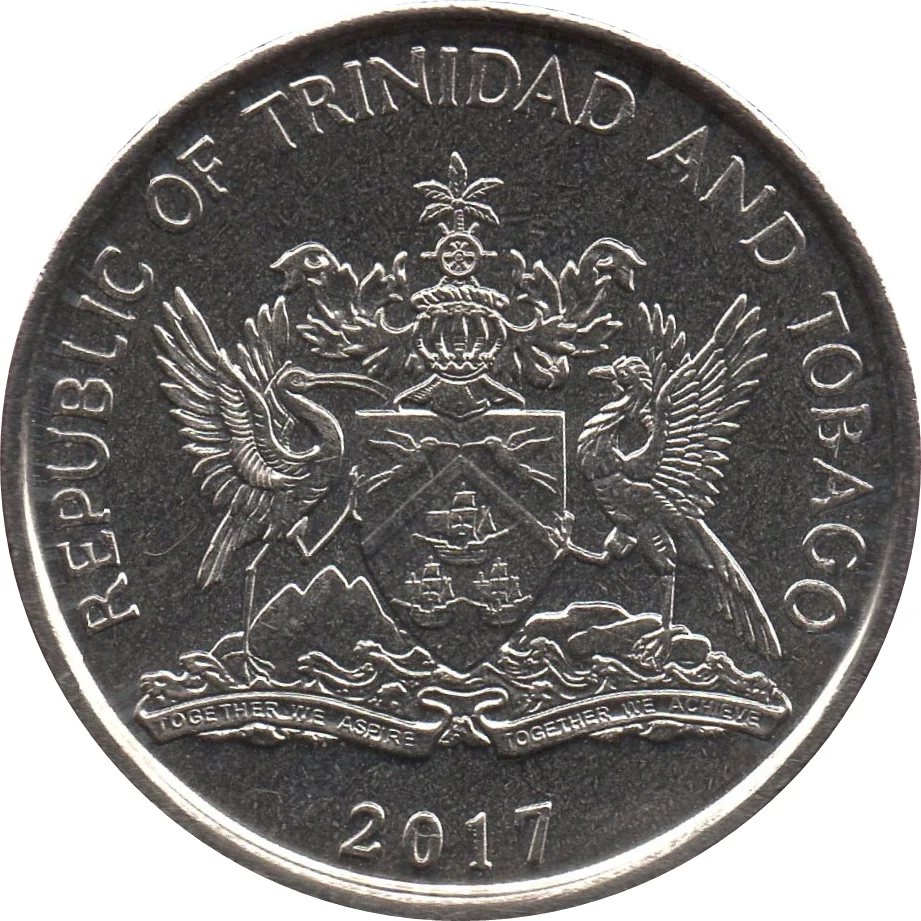
Obverse
Description:
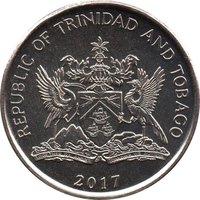
Coat of arms with date.
Inscription:
REPUBLIC OF TRINIDAD AND TOBAGO
TOGETHER WE ASPIRE TOGETHER WE ACHIEVE
2017
TOGETHER WE ASPIRE TOGETHER WE ACHIEVE
2017
Script: Latin
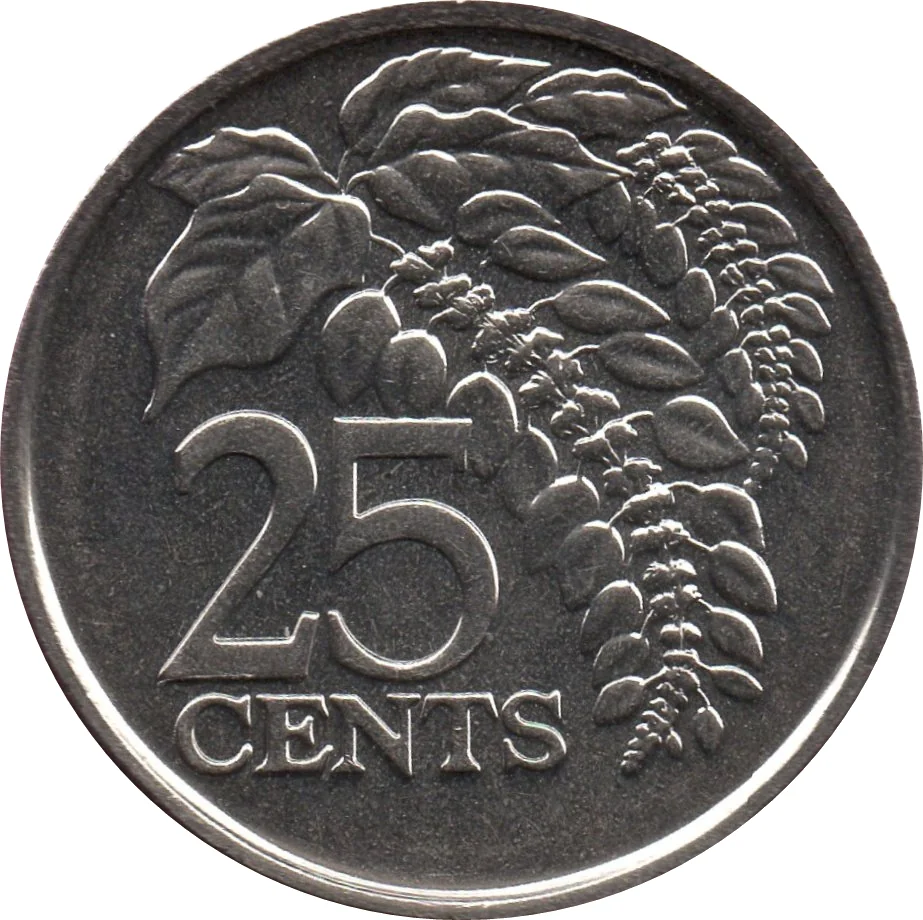
Reverse
Description:
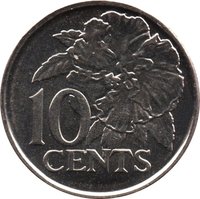
The Chaconia (Warszewiczia coccinea), the national flower.
Inscription:
25
CENTS
CENTS
Script: Latin
Designer: Ernest Lauser
Edge
Reeded
Categories
| Plants> Flower |
| Symbols> Coat of Arms |
Mintings
| Year | Mint Mark | Mintage | Quality | Collection |
|---|---|---|---|---|
| 2017 | — | — | ||
| 2020 | — | — |
Historical background
In 2017, Trinidad and Tobago's economy remained in a deep recession, primarily driven by a prolonged downturn in global energy prices that began in 2014. As a major oil and natural gas exporter, the sharp decline in hydrocarbon revenues severely strained the country's foreign exchange reserves and created a persistent shortage of US dollars on the official market. This led to a growing gap between the official pegged exchange rate of TT$6.4 to US$1 and the weaker black-market rate, which was estimated to be as high as TT$8 to US$1, reflecting intense pressure on the national currency.
The foreign exchange scarcity had significant real-world consequences, impacting businesses and citizens alike. Importers faced lengthy delays and rationing in accessing US dollars from the banking system to pay for goods, leading to shortages of certain imported items, from food staples to manufacturing inputs and automotive parts. This constrained economic activity, contributed to job losses, and fueled inflation. In response, the Central Bank maintained strict capital controls and defended the peg, prioritizing stability over devaluation, but this policy came at the cost of stifling legitimate business and encouraging the growth of the informal currency market.
Despite these challenges, 2017 was also a year of cautious optimism as global energy prices showed signs of modest recovery. The government, led by Prime Minister Keith Rowley, continued to emphasize fiscal consolidation through austerity measures in its national budgets, aiming to reduce the deficit and preserve foreign reserves. The overarching economic debate centered on whether to maintain the long-held peg or to consider a devaluation to align the official rate with market realities, a move authorities ultimately resisted in 2017 in favor of managing the shortage through administrative controls while hoping for an energy-sector rebound.
The foreign exchange scarcity had significant real-world consequences, impacting businesses and citizens alike. Importers faced lengthy delays and rationing in accessing US dollars from the banking system to pay for goods, leading to shortages of certain imported items, from food staples to manufacturing inputs and automotive parts. This constrained economic activity, contributed to job losses, and fueled inflation. In response, the Central Bank maintained strict capital controls and defended the peg, prioritizing stability over devaluation, but this policy came at the cost of stifling legitimate business and encouraging the growth of the informal currency market.
Despite these challenges, 2017 was also a year of cautious optimism as global energy prices showed signs of modest recovery. The government, led by Prime Minister Keith Rowley, continued to emphasize fiscal consolidation through austerity measures in its national budgets, aiming to reduce the deficit and preserve foreign reserves. The overarching economic debate centered on whether to maintain the long-held peg or to consider a devaluation to align the official rate with market realities, a move authorities ultimately resisted in 2017 in favor of managing the shortage through administrative controls while hoping for an energy-sector rebound.
🌱 Fairly Common