

5 shillings – Turks and Caicos Islands
Add to wishlist
United Kingdom
Context
Year: 1969
Country: United Kingdom
Issuer: Turks and Caicos Islands
Ruler: Elizabeth II
Currency:
(1783—1969)
Total mintage: 56,000
Material
References
KM: #
Numista: #14068
Obverse
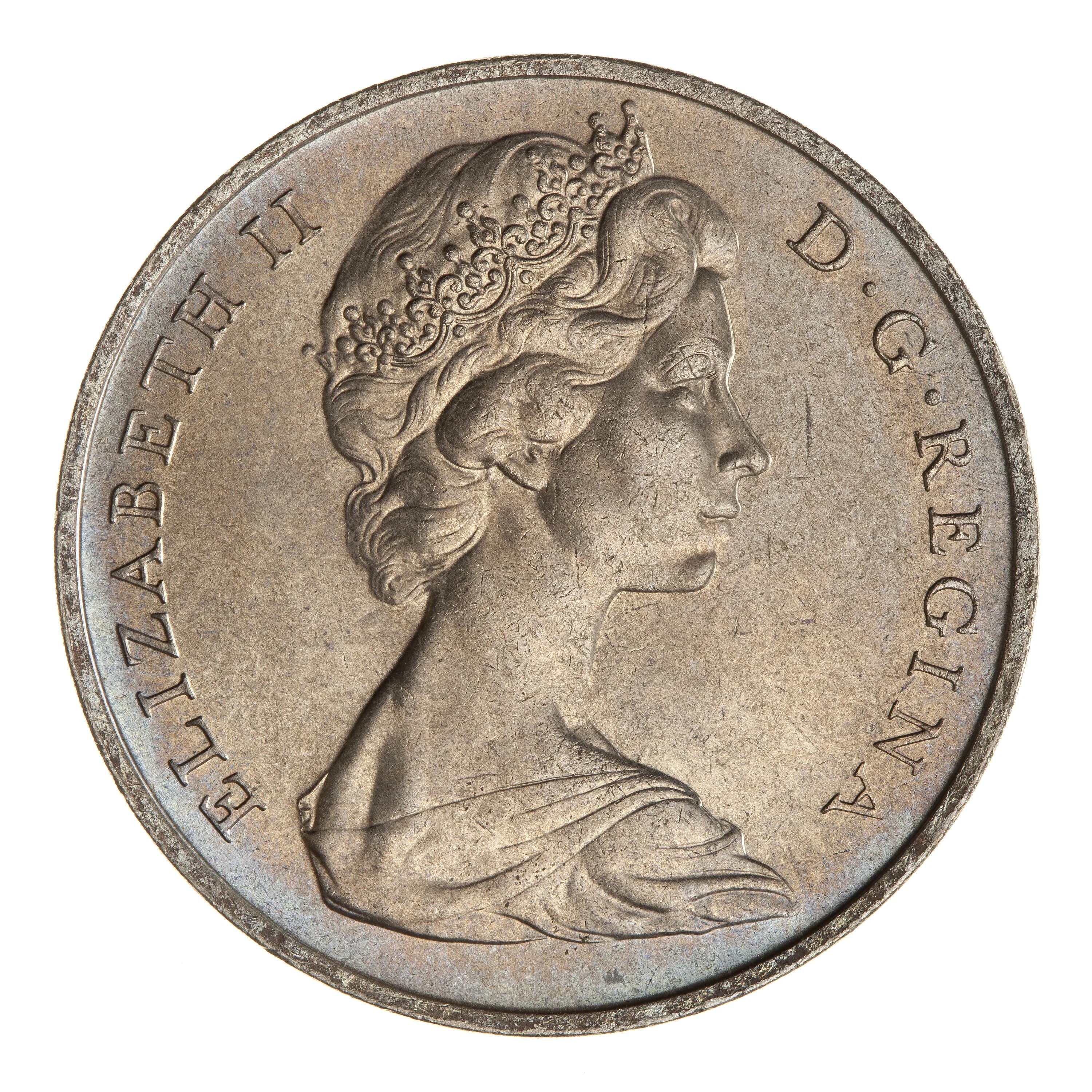
Description:
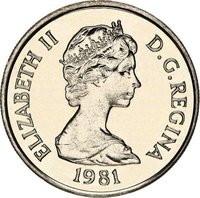
Young Queen Elizabeth II facing right.
Inscription:
ELIZABETH II D·G·REGINA
Translation:
Elizabeth II, by the Grace of God, Queen
Script: Latin
Language: Latin
Engraver: Arnold Machin
Reverse
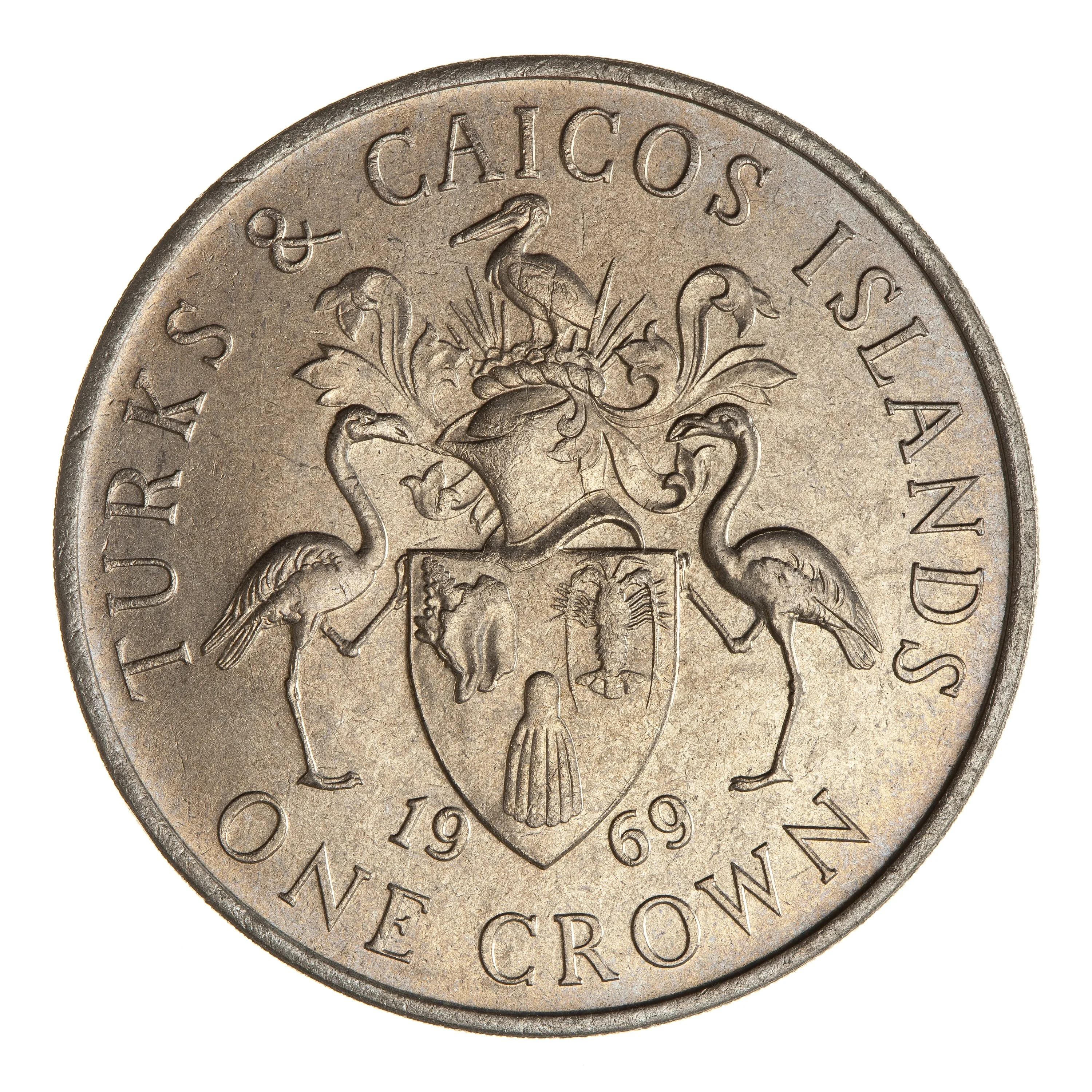
Description:
National arms, name, and date.
Inscription:
TURKS & CAICOS ISLANDS
19 69
ONE CROWN
19 69
ONE CROWN
Script: Latin
Edge
Reeded
Categories
| Animal> Bird |
| Symbols> Coat of Arms |
Mints
| Name | Mark |
|---|---|
| Royal Mint (Tower Hill) | — |
Mintings
| Year | Mint Mark | Mintage | Quality | Collection |
|---|---|---|---|---|
| 1969 | — | 50,000 | ||
| 1969 | — | 6,000 | Proof |
Historical background
In 1969, the Turks and Caicos Islands were a British Crown Colony operating under a currency board system, with their monetary affairs deeply integrated with those of Jamaica. The official currency was the Jamaican pound (£), a legacy of the islands' historical administrative links to Jamaica, which had ended in 1962. This arrangement meant the local economy was directly subject to Jamaica's monetary policy and the stability of its currency.
However, this dependency was becoming increasingly problematic. Jamaica had introduced its own decimal currency, the Jamaican dollar, in 1969, moving away from the pound sterling system. This shift created practical and symbolic complications for the Turks and Caicos, which had a much smaller and tourism-dependent economy. Local authorities and businesses recognized the need for a more stable and independent monetary identity, one not tied to Jamaica's evolving financial landscape.
Consequently, 1969 marked a pivotal year of transition. The colonial government passed the Currency Ordinance in preparation to introduce a new, distinct currency pegged directly to the British pound sterling. This set the stage for the 1970 introduction of the Turks and Caicos Islands crown, which was subdivided into 100 pence and fixed at a rate of one crown to one US dollar, providing the stability sought for the burgeoning tourism and financial sectors.
However, this dependency was becoming increasingly problematic. Jamaica had introduced its own decimal currency, the Jamaican dollar, in 1969, moving away from the pound sterling system. This shift created practical and symbolic complications for the Turks and Caicos, which had a much smaller and tourism-dependent economy. Local authorities and businesses recognized the need for a more stable and independent monetary identity, one not tied to Jamaica's evolving financial landscape.
Consequently, 1969 marked a pivotal year of transition. The colonial government passed the Currency Ordinance in preparation to introduce a new, distinct currency pegged directly to the British pound sterling. This set the stage for the 1970 introduction of the Turks and Caicos Islands crown, which was subdivided into 100 pence and fixed at a rate of one crown to one US dollar, providing the stability sought for the burgeoning tourism and financial sectors.
🌱 Common