

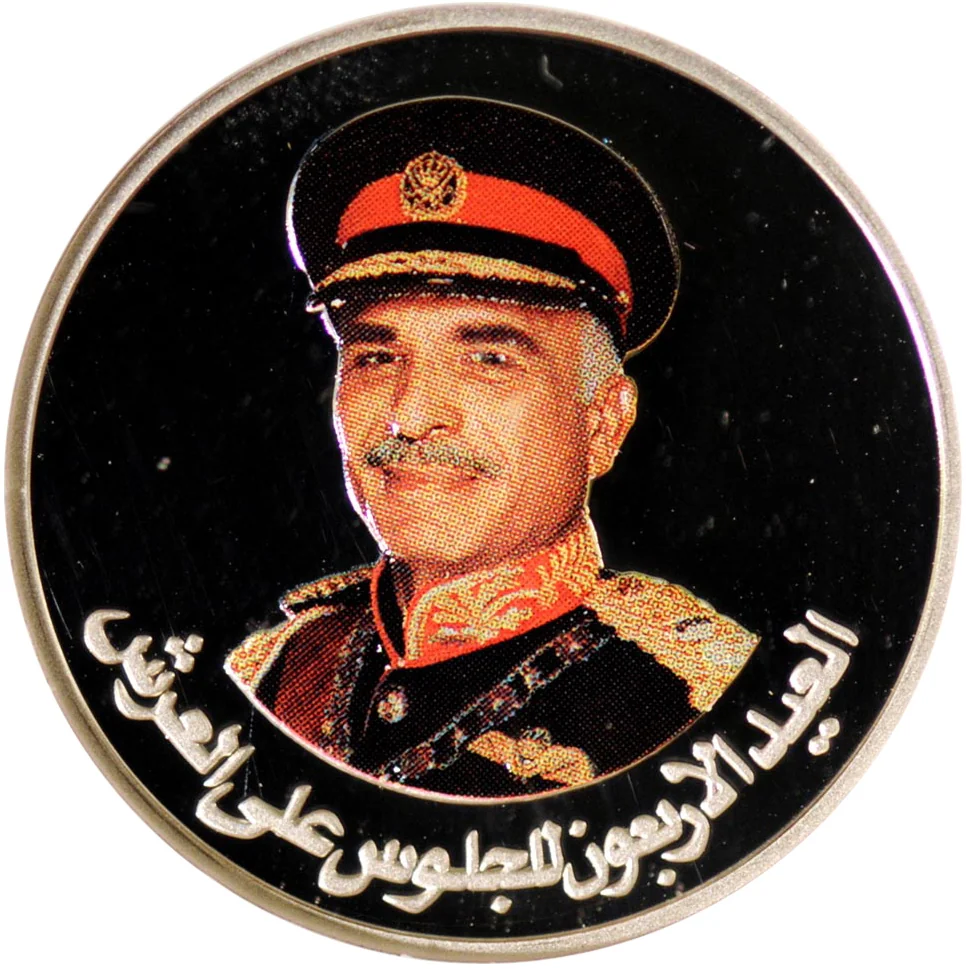
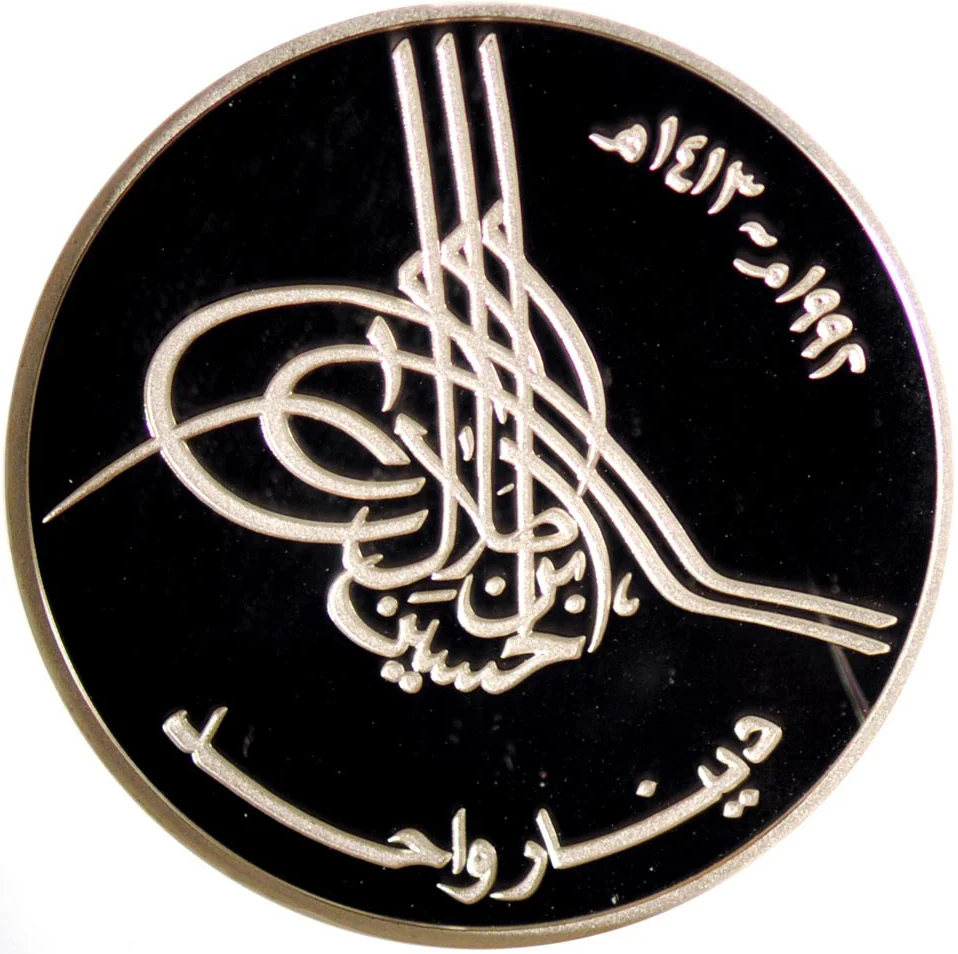
1 dīnar (Reign of King Hussein bin Talal) – Jordan
Add to wishlist
Non-circulating coins
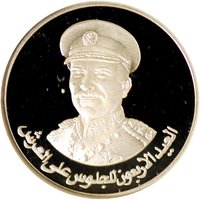
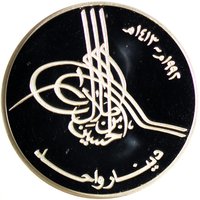
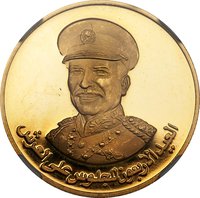
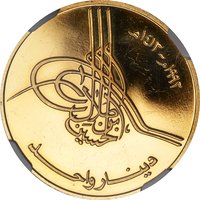
Commemoration: 40th Anniversary of the Reign of King Hussein bin Talal
Jordan
Context
Year: 1992
Islamic (Hijri) Year:: 1413
Issuer: Jordan
Ruler: Hussein bin Talal
Currency:
(since 1949)
Total mintage: 100
Material
References
KM: #
Numista: #102520
Value
Exchange value: 1 JOD
Bullion value: $34.59
Obverse
Reverse
Edge
Plain
Mintings
| Year | Mint Mark | Mintage | Quality | Collection |
|---|---|---|---|---|
| 1992 | — | 100 | Proof |
Historical background
In 1992, Jordan's currency situation was defined by a period of relative stability under a fixed exchange rate regime, a notable achievement following a severe economic crisis earlier in the decade. The Jordanian dinar (JD) was pegged to the U.S. dollar at a rate of approximately JD 0.709 per USD 1, a parity it had maintained since the late 1980s. This peg was a cornerstone of monetary policy, managed by the Central Bank of Jordan, and provided crucial stability for trade, investment, and inflation control in an economy heavily reliant on imports, foreign aid, and remittances from Jordanian workers abroad.
This stability, however, was maintained under significant external pressures and came at a cost. The country was still grappling with the aftermath of the 1990-91 Gulf War, which had led to the loss of vital aid and trade relationships with Iraq and Kuwait, a massive influx of returnees increasing unemployment, and strained public finances. Furthermore, Jordan carried a substantial external debt burden, which constrained fiscal policy and necessitated ongoing negotiations with the International Monetary Fund (IMF). The fixed exchange rate, while stabilizing prices, limited the central bank's ability to use monetary policy tools to stimulate the domestic economy.
Consequently, the currency stability of 1992 existed within a broader context of economic adjustment and austerity. The government was implementing IMF-supported structural reforms aimed at liberalizing trade, reducing subsidies, and privatizing state-owned enterprises to address fiscal imbalances and promote growth. The success of the fixed peg was therefore interdependent with these difficult reforms and continued access to external concessional financing. The underlying challenge for policymakers was to preserve the confidence in the dinar while navigating the pressures of debt, regional instability, and the social impacts of economic restructuring.
This stability, however, was maintained under significant external pressures and came at a cost. The country was still grappling with the aftermath of the 1990-91 Gulf War, which had led to the loss of vital aid and trade relationships with Iraq and Kuwait, a massive influx of returnees increasing unemployment, and strained public finances. Furthermore, Jordan carried a substantial external debt burden, which constrained fiscal policy and necessitated ongoing negotiations with the International Monetary Fund (IMF). The fixed exchange rate, while stabilizing prices, limited the central bank's ability to use monetary policy tools to stimulate the domestic economy.
Consequently, the currency stability of 1992 existed within a broader context of economic adjustment and austerity. The government was implementing IMF-supported structural reforms aimed at liberalizing trade, reducing subsidies, and privatizing state-owned enterprises to address fiscal imbalances and promote growth. The success of the fixed peg was therefore interdependent with these difficult reforms and continued access to external concessional financing. The underlying challenge for policymakers was to preserve the confidence in the dinar while navigating the pressures of debt, regional instability, and the social impacts of economic restructuring.
✨ Legendary