

100 pounds (Egyptology) – Egypt
Add to wishlist
Non-circulating coins
Commemoration: 200 Years of Egyptology
Egypt
Context
Material
References
KM: #
Numista: #358385
Value
Exchange value: 100 EGP
Bullion value: $52.57
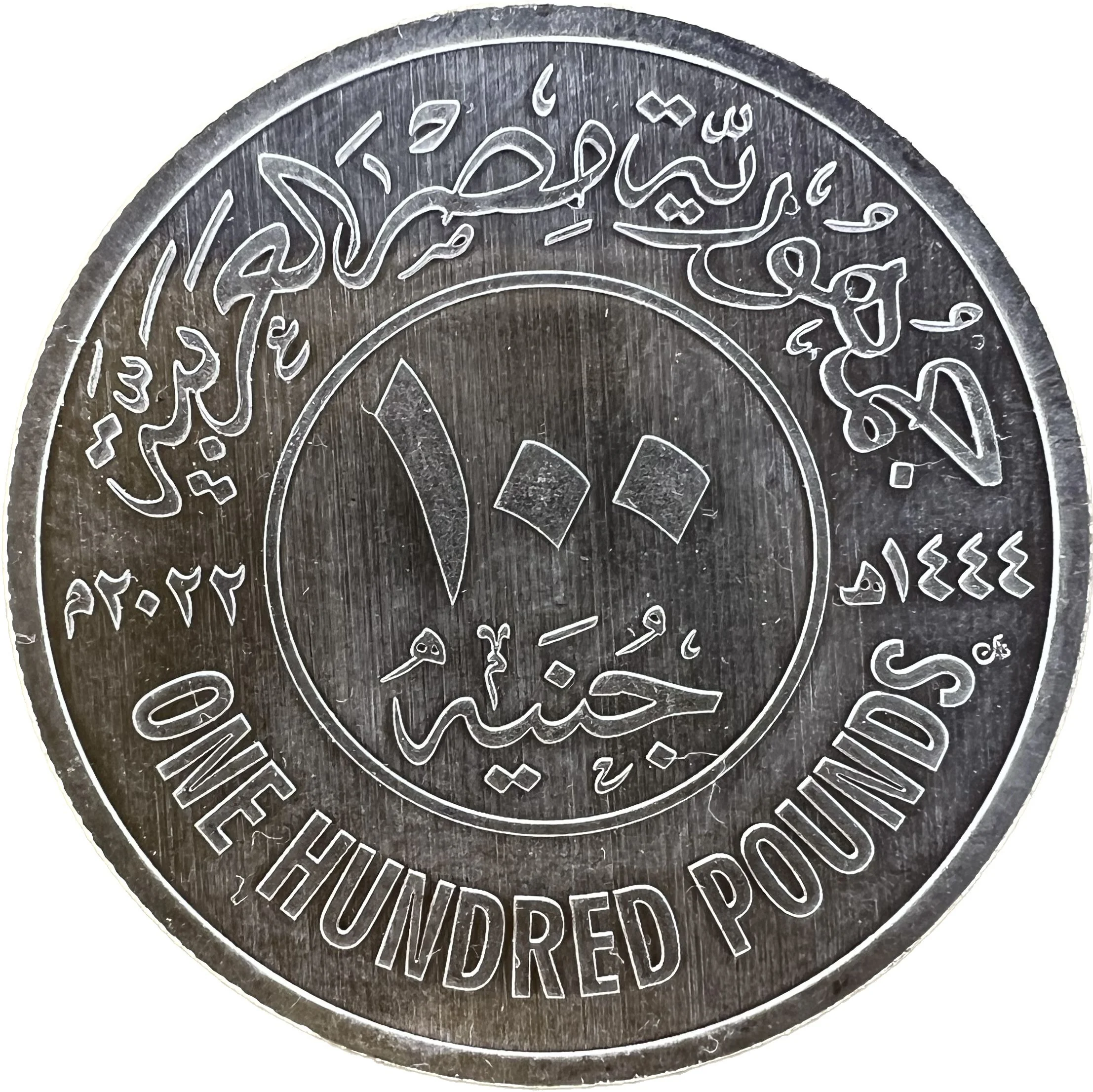
Obverse
Description:
Denomination, year
Inscription:
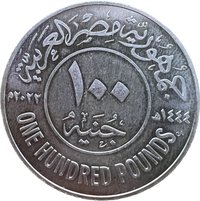
جمهورية مصر العربية
١٠٠ جنيه
١٤٤٤ هـ - ٢٠٢٢ م
ONE HUNDRED POUNDS
١٠٠ جنيه
١٤٤٤ هـ - ٢٠٢٢ م
ONE HUNDRED POUNDS
Translation:
Arab Republic of Egypt
One Hundred Pounds
1444 H - 2022 AD
ONE HUNDRED POUNDS
One Hundred Pounds
1444 H - 2022 AD
ONE HUNDRED POUNDS
Designer: Mostafa Thabet
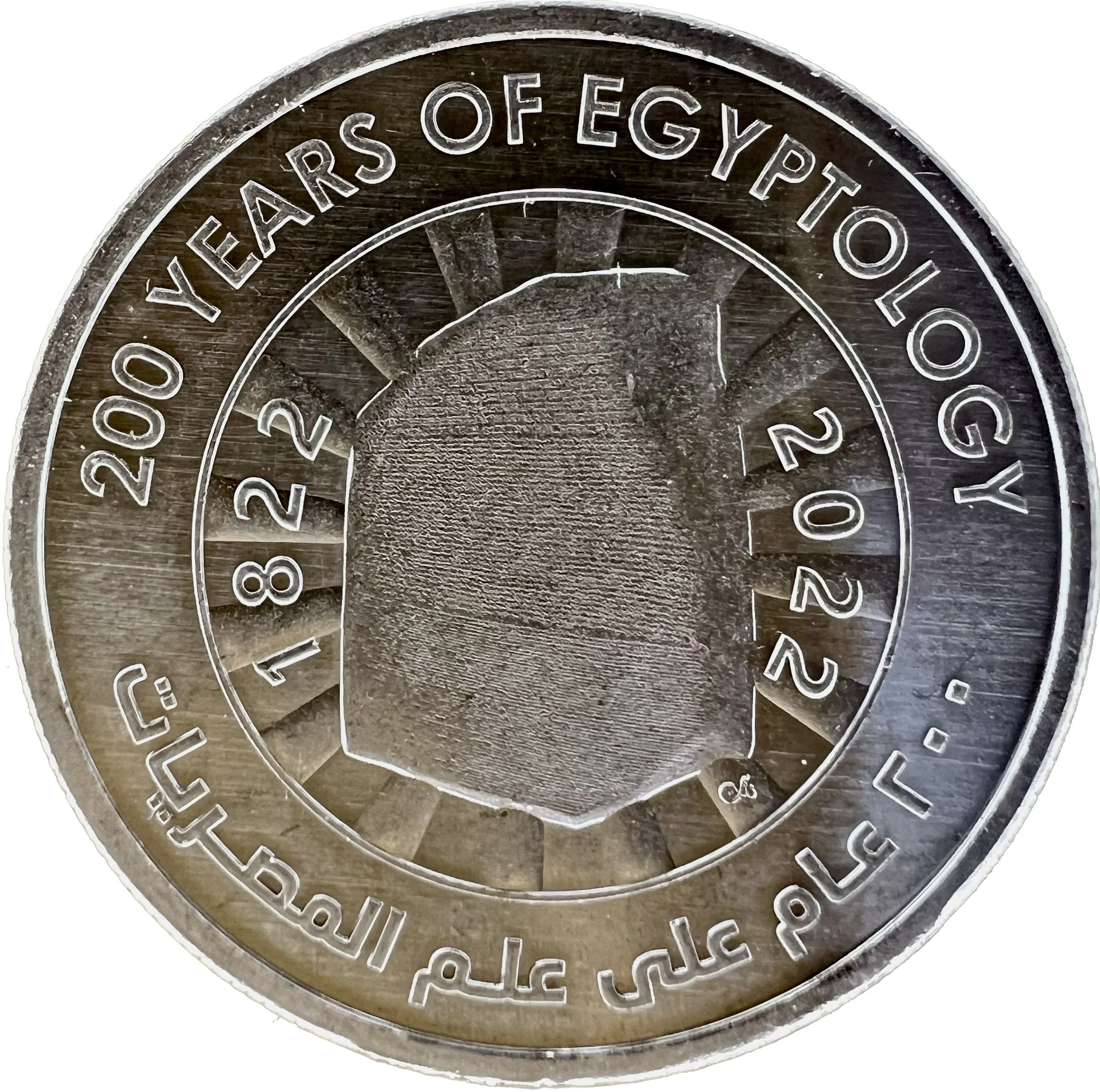
Reverse
Description:
Rosetta Stone before a radiant sun encircled by inscriptions.
Inscription:
200 YEARS OF EGYPTOLOGY
1822 - 2022
٢٠٠ عام على علم المصريات
1822 - 2022
٢٠٠ عام على علم المصريات
Translation:
200 Years of Egyptology
1822 - 2022
200 Years of Egyptology
1822 - 2022
200 Years of Egyptology
Designer: Mostafa Thabet
Edge
Reeded
Mints
| Name | Mark |
|---|---|
| Egyptian Mint Authority | — |
Mintings
| Year | Mint Mark | Mintage | Quality | Collection |
|---|---|---|---|---|
| 2022 | — | — |
Historical background
In 2022, Egypt faced a severe currency crisis, marked by mounting pressure on the Egyptian pound (EGP) and a critical shortage of foreign exchange. The root causes were multifaceted, stemming from the economic fallout of the Russia-Ukraine war, which disrupted vital wheat and oil imports and triggered massive capital flight from Egyptian debt markets. This exposed fundamental vulnerabilities: a heavy reliance on hot money inflows, a large trade deficit, and a growing external debt burden. To preserve dwindling foreign reserves, which fell from over $40 billion to around $33 billion, the Central Bank of Egypt (CBE) maintained a tightly managed peg, leading to a thriving black market where the dollar traded at a significant premium.
The situation culminated in a series of decisive interventions, closely tied to a $3 billion financial support package from the International Monetary Fund (IMF) secured in December. As a prior condition, the CBE shifted to a flexible exchange rate regime in March 2022, resulting in an initial 16% devaluation. A more dramatic move came in October, with a further 25% devaluation, effectively allowing the pound to float. Concurrently, the central bank raised interest rates by 800 basis points to combat soaring inflation, which accelerated to over 21% by year's end, severely eroding purchasing power for ordinary Egyptians.
These painful reforms aimed to correct macroeconomic imbalances, restore investor confidence, and unlock not only the IMF loan but also additional financing from Gulf allies and international partners. While the moves were praised by international institutions as necessary for long-term stability, the immediate impact on the ground was harsh. The cost of imported goods and essentials skyrocketed, deepening a cost-of-living crisis and significantly increasing the financial strain on households and businesses. Thus, 2022 was a pivotal year of economic shock therapy, setting the stage for a protracted period of adjustment and hardship as Egypt sought to stabilize its economy.
The situation culminated in a series of decisive interventions, closely tied to a $3 billion financial support package from the International Monetary Fund (IMF) secured in December. As a prior condition, the CBE shifted to a flexible exchange rate regime in March 2022, resulting in an initial 16% devaluation. A more dramatic move came in October, with a further 25% devaluation, effectively allowing the pound to float. Concurrently, the central bank raised interest rates by 800 basis points to combat soaring inflation, which accelerated to over 21% by year's end, severely eroding purchasing power for ordinary Egyptians.
These painful reforms aimed to correct macroeconomic imbalances, restore investor confidence, and unlock not only the IMF loan but also additional financing from Gulf allies and international partners. While the moves were praised by international institutions as necessary for long-term stability, the immediate impact on the ground was harsh. The cost of imported goods and essentials skyrocketed, deepening a cost-of-living crisis and significantly increasing the financial strain on households and businesses. Thus, 2022 was a pivotal year of economic shock therapy, setting the stage for a protracted period of adjustment and hardship as Egypt sought to stabilize its economy.
✨ Legendary