


150 pesos (Gomburza execution) – Philippines
Add to wishlist
Non-circulating coins
Commemoration: 150 years of martyrdom of Mariano Gomez, Jose Burgos, and Jacinto Zamora
Philippines
Obverse
Description:
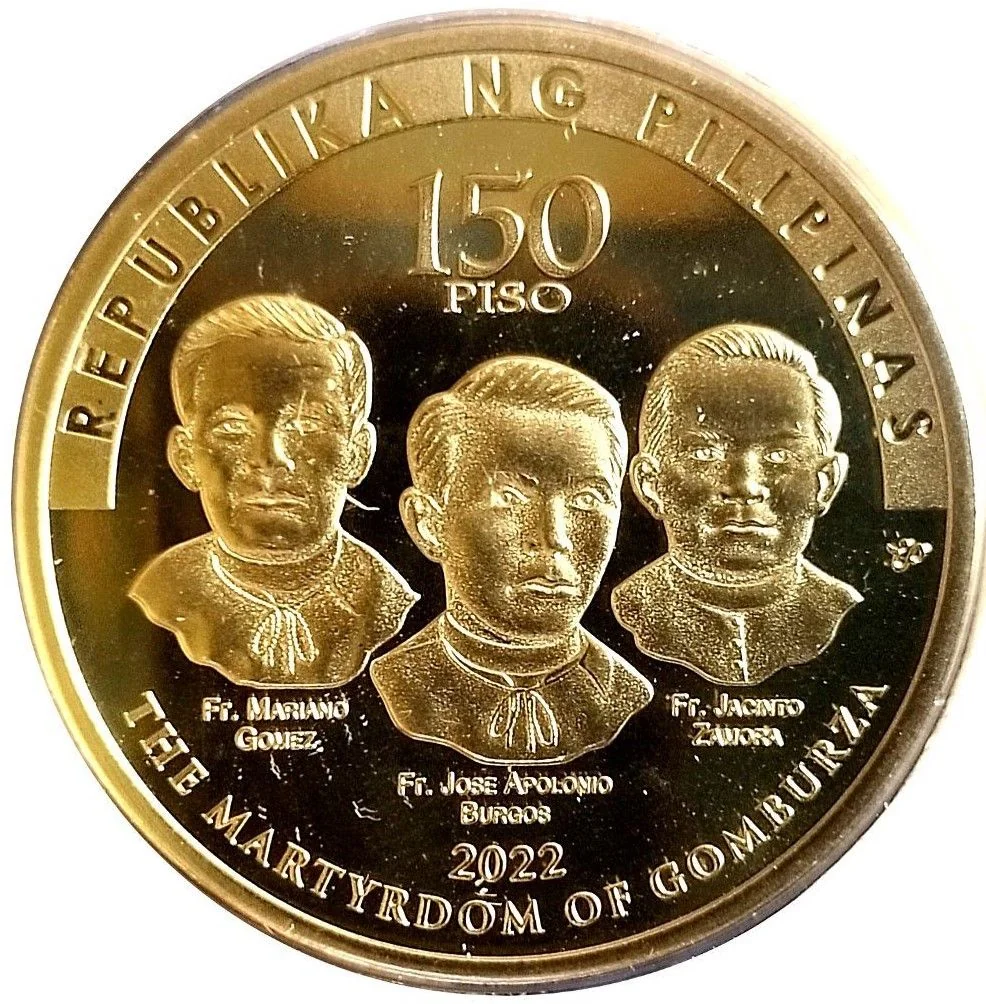
Busts of Gomez, Burgos, and Zamora.
Inscription:
REPUBLIKA NG PILIPINAS
150
PISO
Fr. Mariano Gomez
Fr. Jose Apolonio Burgos
Fr. Jacinto Zamora
2022
THE MARTYRDOM OF GOMBURZA
150
PISO
Fr. Mariano Gomez
Fr. Jose Apolonio Burgos
Fr. Jacinto Zamora
2022
THE MARTYRDOM OF GOMBURZA
Translation:
REPUBLIC OF THE PHILIPPINES
150
PESOS
Fr. Mariano Gomez
Fr. Jose Apolonio Burgos
Fr. Jacinto Zamora
2022
THE MARTYRDOM OF GOMBURZA
150
PESOS
Fr. Mariano Gomez
Fr. Jose Apolonio Burgos
Fr. Jacinto Zamora
2022
THE MARTYRDOM OF GOMBURZA
Script: Latin
Reverse
Description:
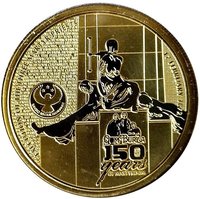
Andres Bonifacio Monument centered. Bank logo left. Commemorative logo lower right.
Inscription:
EXECUTION OF THE THREE MARTYR PRIESTS
17 FEBRUARY 1872
GomBurZa
150
years
OF MARTYRYDOM
17 FEBRUARY 1872
GomBurZa
150
years
OF MARTYRYDOM
Script: Latin
Edge
Reeded
Categories
| Person> Religious figure |
Mints
| Name | Mark |
|---|---|
| BSP Security Plant Complex | — |
Mintings
| Year | Mint Mark | Mintage | Quality | Collection |
|---|---|---|---|---|
| 2022 | — | — |
Historical background
The currency situation in the Philippines in 2022 was defined by significant depreciation and volatility, driven primarily by aggressive monetary tightening in the United States and global economic headwinds. The Philippine Peso (PHP) fell to a historic low, breaching the ₱59-to-the-US dollar mark in October, a level not seen since the currency was freely floated in the 1980s. This sharp decline was largely a reaction to the US Federal Reserve's interest rate hikes, which strengthened the US Dollar globally and triggered capital outflows from emerging markets like the Philippines as investors sought higher returns in safer dollar-denominated assets.
Domestically, the Bangko Sentral ng Pilipinas (BSP) faced a challenging policy dilemma, caught between defending the peso and supporting economic recovery. To curb inflation—which soared to a 14-year high due to rising food and energy prices—and to manage exchange rate pressures, the BSP embarked on its own tightening cycle, raising key policy rates by a total of 350 basis points over the year. However, the BSP's actions lagged behind the Fed, maintaining a significant interest rate differential that continued to put downward pressure on the peso. The nation's widening trade deficit, fueled by elevated global commodity prices and robust demand for imports as the economy reopened, further exacerbated the currency's weakness.
By year-end, the peso had recovered slightly from its lowest point, closing near ₱55 to the dollar, aided by a moderation in the dollar's global strength and the cumulative impact of the BSP's rate hikes. Nevertheless, the currency's performance in 2o22 highlighted the Philippine economy's vulnerability to external financial shocks and the complexities of managing monetary policy in a post-pandemic, inflationary world. The depreciation contributed to higher costs for imports and debt servicing, presenting ongoing challenges for inflation management and economic planning heading into 2023.
Domestically, the Bangko Sentral ng Pilipinas (BSP) faced a challenging policy dilemma, caught between defending the peso and supporting economic recovery. To curb inflation—which soared to a 14-year high due to rising food and energy prices—and to manage exchange rate pressures, the BSP embarked on its own tightening cycle, raising key policy rates by a total of 350 basis points over the year. However, the BSP's actions lagged behind the Fed, maintaining a significant interest rate differential that continued to put downward pressure on the peso. The nation's widening trade deficit, fueled by elevated global commodity prices and robust demand for imports as the economy reopened, further exacerbated the currency's weakness.
By year-end, the peso had recovered slightly from its lowest point, closing near ₱55 to the dollar, aided by a moderation in the dollar's global strength and the cumulative impact of the BSP's rate hikes. Nevertheless, the currency's performance in 2o22 highlighted the Philippine economy's vulnerability to external financial shocks and the complexities of managing monetary policy in a post-pandemic, inflationary world. The depreciation contributed to higher costs for imports and debt servicing, presenting ongoing challenges for inflation management and economic planning heading into 2023.
✨ Legendary