

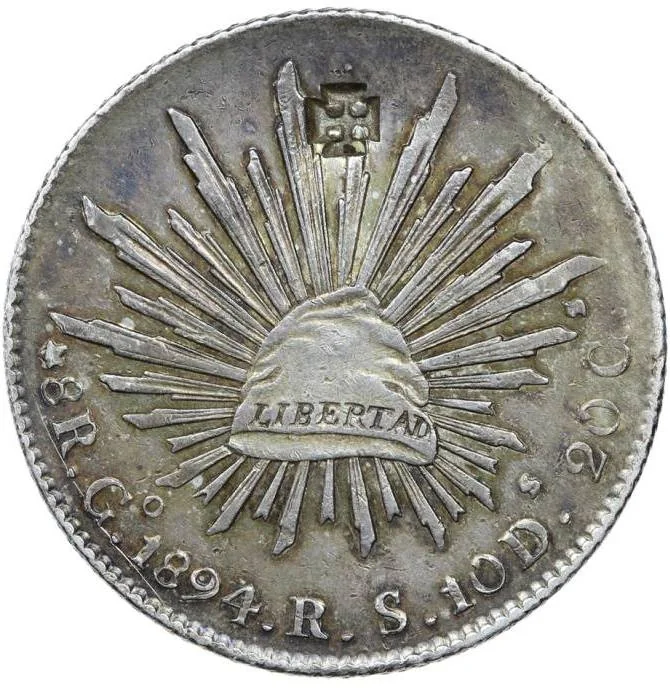
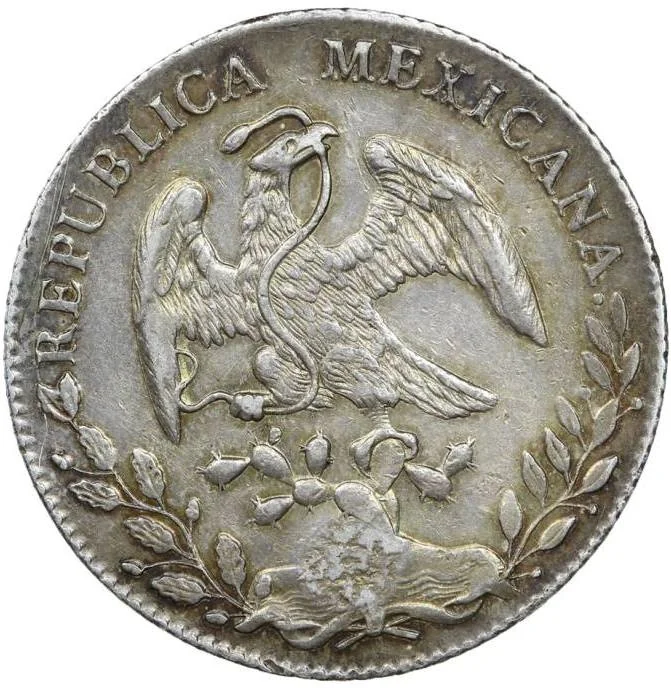
1 pataca – Portuguese Timor
Add to wishlist
Timor-Leste
Context
Year: 1900
Country: Timor-Leste
Issuer: Portuguese Timor
Period:
(1910—1951)
Currency:
(1894—1959)
Demonetized: Yes
Material
Diameter: 39 mm
Weight: 27.07 g
Silver Weight:: 24.44 g
Thickness: 2.5 mm
Shape: Round
Composition: 90.3% Silver
Magnetic: No
Techniques: Milled, Countermarked
Alignment: Coin alignment
flip
References
KM: #
Numista: #35300
Value
Bullion value: $61.97
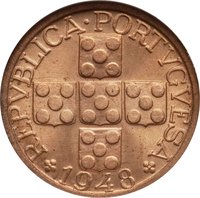
Obverse
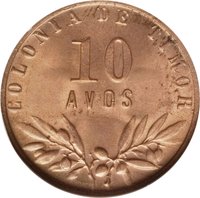
Reverse
Edge
Mintings
| Year | Mint Mark | Mintage | Quality | Collection |
|---|---|---|---|---|
| 1900 | — | — |
Historical background
At the turn of the 20th century, Portuguese Timor (present-day Timor-Leste) operated within a complex and underdeveloped monetary system, characteristic of a remote and economically marginal colonial territory. The official currency was the Portuguese real, but in practice, the economy was dominated by a system of barter and various forms of traditional wealth, particularly woven cotton cloths known as tais and metal gongs. These items held significant cultural value and were used in ceremonial exchanges and as a store of wealth, often taking precedence over introduced coinage for many Timorese, especially in the interior.
Portuguese colonial administration, centered in Dili, struggled to impose a unified cash economy. While Portuguese silver and copper coins circulated in coastal trading centers, their penetration was limited. The situation was further complicated by the significant influence of neighboring Dutch colonies and regional trade. Dutch guilders and even Mexican silver dollars (a common trade currency in Asia) were frequently used in external commerce, creating a de facto multi-currency environment. This reflected Timor's integration into wider Southeast Asian trading networks more than its connection to Lisbon.
Ultimately, the currency situation in 1900 revealed the limits of Portuguese colonial power and economic integration. The coexistence of official coinage, foreign specie, and non-monetary traditional currencies highlighted a dual economy: a small coastal cash-based system oriented around the colonial port and the sandalwood trade, and a much larger inland subsistence and barter economy governed by indigenous social structures. This fragmented system would persist with little change until the mid-20th century.
Portuguese colonial administration, centered in Dili, struggled to impose a unified cash economy. While Portuguese silver and copper coins circulated in coastal trading centers, their penetration was limited. The situation was further complicated by the significant influence of neighboring Dutch colonies and regional trade. Dutch guilders and even Mexican silver dollars (a common trade currency in Asia) were frequently used in external commerce, creating a de facto multi-currency environment. This reflected Timor's integration into wider Southeast Asian trading networks more than its connection to Lisbon.
Ultimately, the currency situation in 1900 revealed the limits of Portuguese colonial power and economic integration. The coexistence of official coinage, foreign specie, and non-monetary traditional currencies highlighted a dual economy: a small coastal cash-based system oriented around the colonial port and the sandalwood trade, and a much larger inland subsistence and barter economy governed by indigenous social structures. This fragmented system would persist with little change until the mid-20th century.
✨ Legendary