

10 Centavos de Córdoba – Nicaragua
Circulating commemorative coins
Commemoration: FAO
Nicaragua
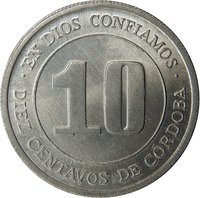
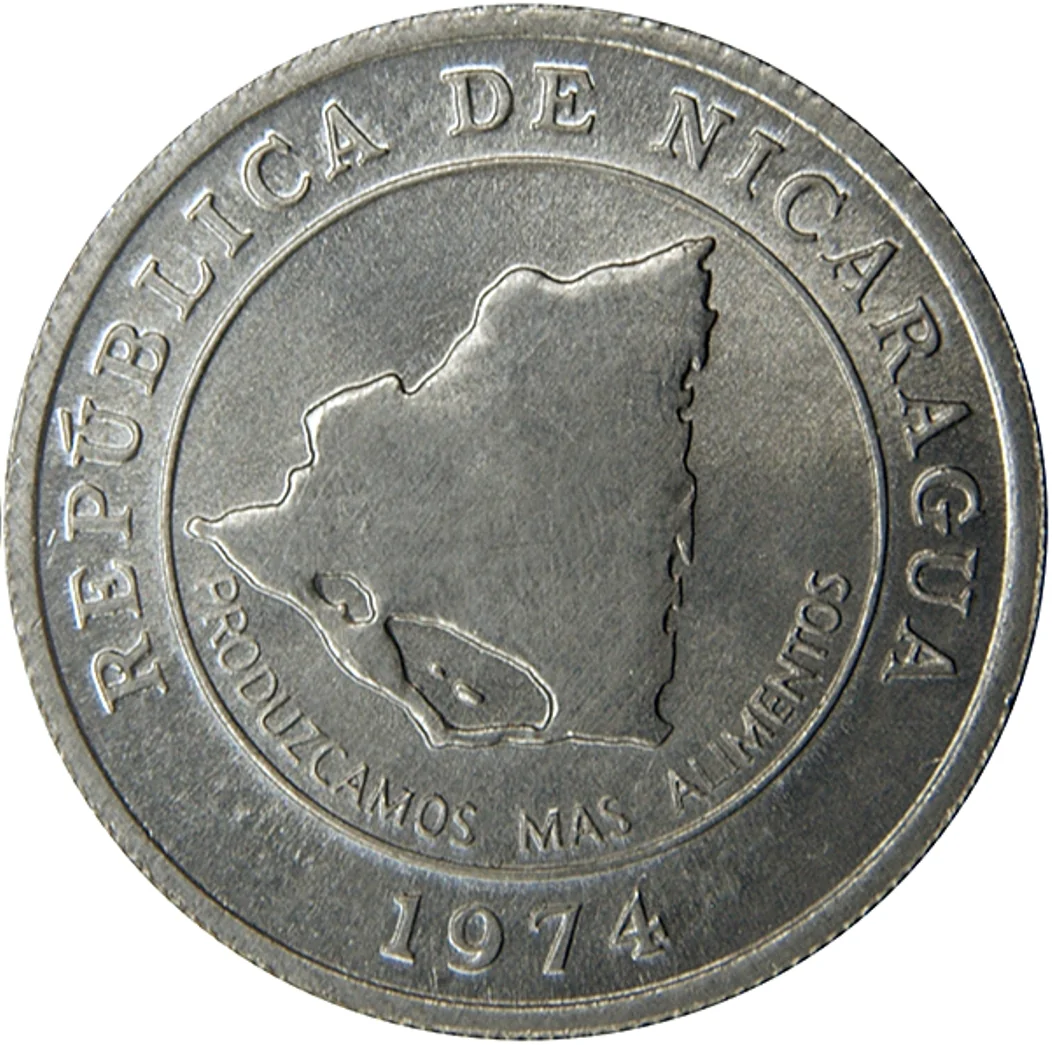
Obverse
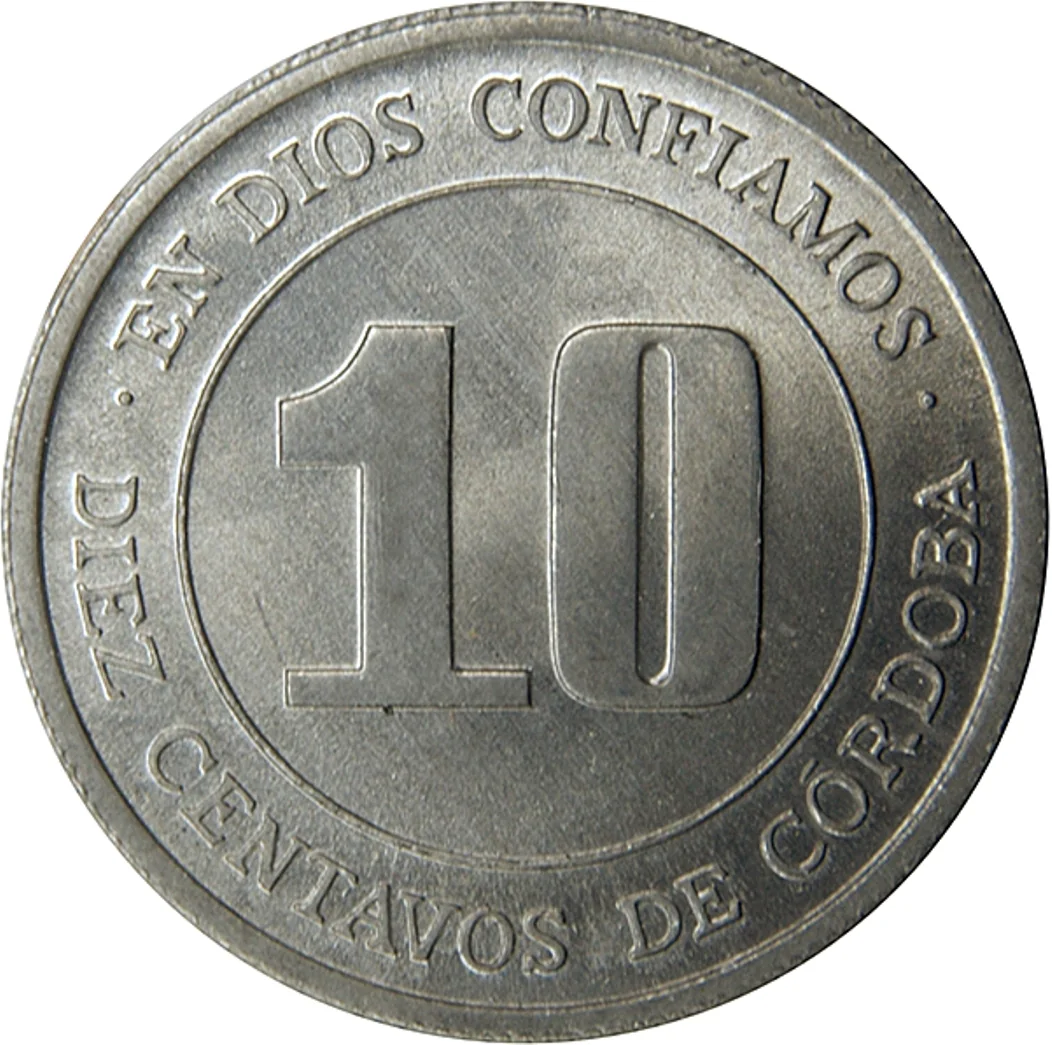
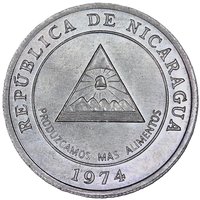
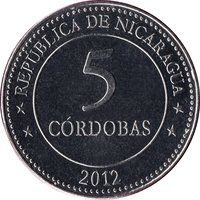
Reverse
Edge
Reeded
Categories
| Organization> FAO |
| Map |
Mints
| Name | Mark |
|---|---|
| Royal Mint | — |
Mintings
| Year | Mint Mark | Mintage | Quality | Collection |
|---|---|---|---|---|
| 1974 | — | 2,000,000 |
Historical background
In 1974, Nicaragua's currency, the córdoba, operated under a fixed exchange rate regime, pegged to the U.S. dollar at 7 córdobas to 1 dollar. This system was maintained by the authoritarian Somoza family regime, which had ruled for decades. The peg provided a veneer of stability for international trade and the country's agro-export elite, whose coffee and cotton businesses were central to the economy. However, this stability was largely artificial and dependent on substantial foreign borrowing and the political control of the regime, masking underlying economic vulnerabilities and deep social inequalities.
Economically, the fixed rate was becoming increasingly difficult to sustain. Government spending was rising, fueled by reconstruction costs from the devastating 1972 Managua earthquake and the regime's patronage networks. While inflation was still moderate by later standards, a parallel black market for dollars began to emerge, signaling a lack of confidence and creating a gap between the official and real value of the currency. This period represented the calm before the storm, as the costs of maintaining the peg and the regime's excesses were building unsustainable pressures.
Politically, the currency situation was inextricably linked to the rule of Anastasio Somoza Debayle. The fixed exchange rate benefited the wealthy landowners and industrialists tied to the regime, but did little for the rural and urban poor. This economic disparity, combined with growing resentment over corruption and the mishandling of earthquake reconstruction, fueled the rise of the Sandinista National Liberation Front (FSLN). Therefore, the currency peg of 1974 was not just an economic policy but a symbol of a brittle political order, one that would fracture completely leading to revolution and hyperinflation within just a few years.
Economically, the fixed rate was becoming increasingly difficult to sustain. Government spending was rising, fueled by reconstruction costs from the devastating 1972 Managua earthquake and the regime's patronage networks. While inflation was still moderate by later standards, a parallel black market for dollars began to emerge, signaling a lack of confidence and creating a gap between the official and real value of the currency. This period represented the calm before the storm, as the costs of maintaining the peg and the regime's excesses were building unsustainable pressures.
Politically, the currency situation was inextricably linked to the rule of Anastasio Somoza Debayle. The fixed exchange rate benefited the wealthy landowners and industrialists tied to the regime, but did little for the rural and urban poor. This economic disparity, combined with growing resentment over corruption and the mishandling of earthquake reconstruction, fueled the rise of the Sandinista National Liberation Front (FSLN). Therefore, the currency peg of 1974 was not just an economic policy but a symbol of a brittle political order, one that would fracture completely leading to revolution and hyperinflation within just a few years.
🌱 Very Common