

2 rials – Iran
Add to wishlist
Iran
Context
Year: 1814
Islamic (Hijri) Year:: 1229
Issuer: Iran
Ruler: Fath-Ali Shah
Currency:
(1798—1825)
Demonetized: Yes
Material
References
Numista: #139410
Value
Bullion value: $52.30
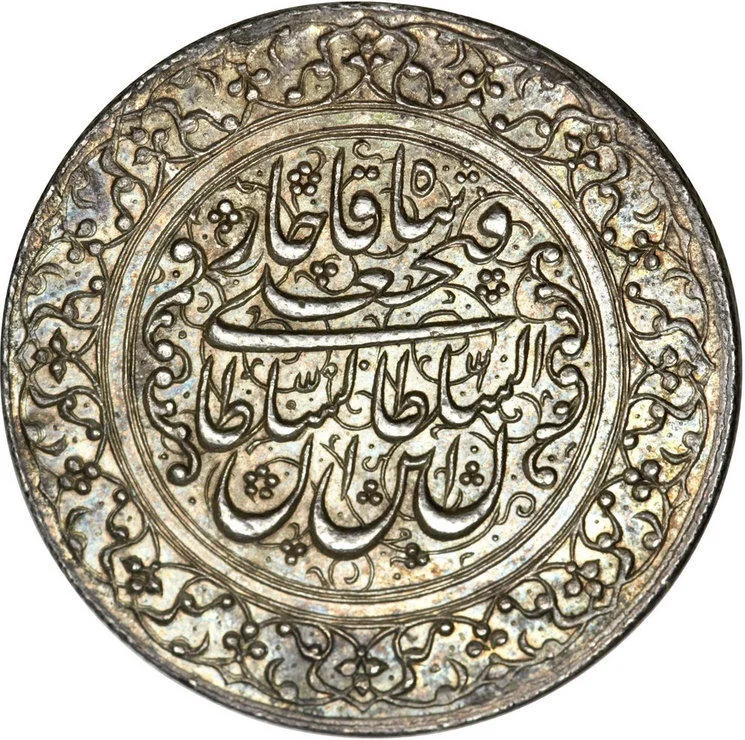
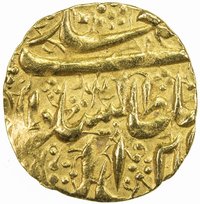
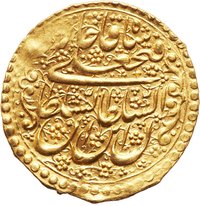
Obverse
Inscription:
السّلطان ابن السّلطان
فتحعلی شاه قاجار
فتحعلی شاه قاجار
Translation:
The Sultan, son of the Sultan, Fath-Ali Shah Qajar
Language: Arabic
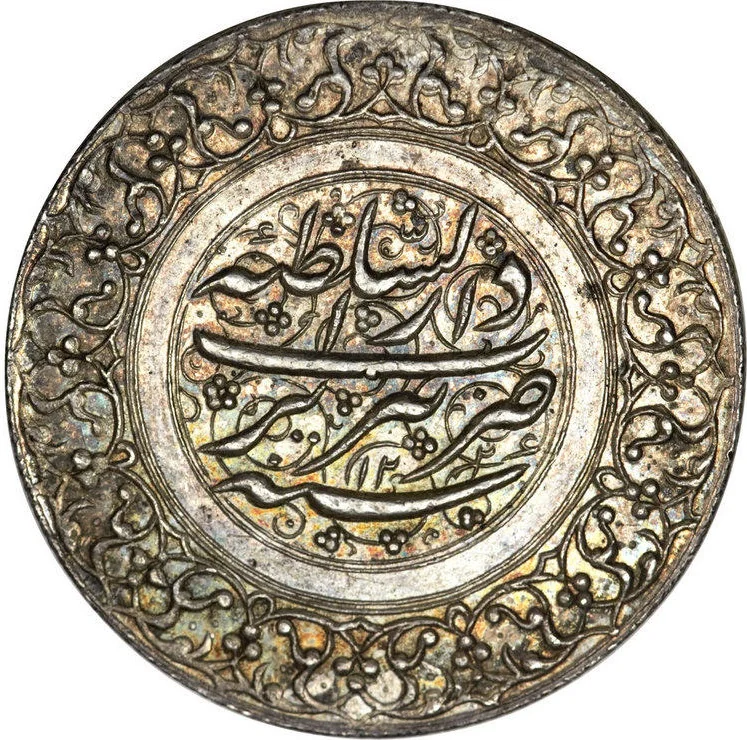
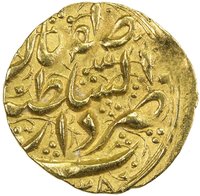
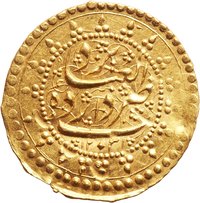
Reverse
Inscription:
ضرب دارالسّلطنه تبریز
سنه ۱۲۲۶
سنه ۱۲۲۶
Translation:
Struck in Dar al-Saltanah Tabriz
Year 1226
Year 1226
Language: Arabic
Edge
Plain
Mintings
| Year | Mint Mark | Mintage | Quality | Collection |
|---|---|---|---|---|
| 1814 | — | — |
Historical background
In 1814, Iran’s currency system was a complex and fragmented reflection of its political and economic state under the Qajar dynasty, then ruled by Fath-Ali Shah. The monetary system was not unified, operating on a bimetallic standard of silver and copper, with gold used mainly for foreign trade and hoarding. The primary unit was the silver qiran (also spelled kran), but its value and purity were inconsistent. More commonly used in everyday transactions were copper coins, such as the shahi and dinar, which were minted locally in provincial capitals and often heavily debased, leading to significant fluctuations in their value against silver.
This period was marked by severe economic strain, largely due to costly military campaigns, including the recent Russo-Persian War (1804-1813), which concluded with the devastating Treaty of Gulistan in 1813. The treaty forced Iran to cede vast territories in the Caucasus and pay substantial reparations, draining the royal treasury (andarum). To finance these deficits, the Qajar state increasingly resorted to debasement—reducing the silver content in coins—and selling provincial tax farming rights (tuyul), which further decentralized economic control and contributed to inflation. The lack of a strong, centralized minting authority meant that provincial governors and powerful tribal leaders often issued their own inferior coinage, exacerbating the monetary chaos.
Consequently, both domestic trade and international commerce were hindered. Merchants had to navigate a bewildering array of coins of varying weights and alloys, requiring money changers (sarraf) at every major bazaar. Foreign trade, particularly with the British and Russians, increasingly relied on foreign specie like the Maria Theresa thaler or British gold, which held more stable value. The currency instability of 1814 was therefore a direct symptom of broader geopolitical weakness and fiscal mismanagement, setting a precedent for the monetary challenges that would plague Iran throughout the 19th century.
This period was marked by severe economic strain, largely due to costly military campaigns, including the recent Russo-Persian War (1804-1813), which concluded with the devastating Treaty of Gulistan in 1813. The treaty forced Iran to cede vast territories in the Caucasus and pay substantial reparations, draining the royal treasury (andarum). To finance these deficits, the Qajar state increasingly resorted to debasement—reducing the silver content in coins—and selling provincial tax farming rights (tuyul), which further decentralized economic control and contributed to inflation. The lack of a strong, centralized minting authority meant that provincial governors and powerful tribal leaders often issued their own inferior coinage, exacerbating the monetary chaos.
Consequently, both domestic trade and international commerce were hindered. Merchants had to navigate a bewildering array of coins of varying weights and alloys, requiring money changers (sarraf) at every major bazaar. Foreign trade, particularly with the British and Russians, increasingly relied on foreign specie like the Maria Theresa thaler or British gold, which held more stable value. The currency instability of 1814 was therefore a direct symptom of broader geopolitical weakness and fiscal mismanagement, setting a precedent for the monetary challenges that would plague Iran throughout the 19th century.
✨ Legendary