

5 Dollars – Bermuda
United Kingdom
Context
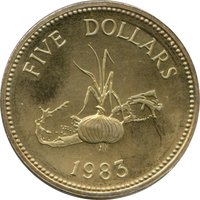
Year: 1983
Country: United Kingdom 
Issuer: Bermuda 
Ruler: Elizabeth II
Currency:
(since 1970)
Demonetization: 1 January 2000
Total mintage: 106,474
Material
Diameter: 26 mm
Weight: 12.4 g
Thickness: 3 mm
Shape: Round
Composition: Nickel brass
Magnetic: No
Technique: Milled
Alignment: Medal alignment
flip
References
KM: #Click to copy to clipboard31
Numista: #34777
Value
Exchange value: 5 BMD
Inflation-adjusted value: 22.55 BMD
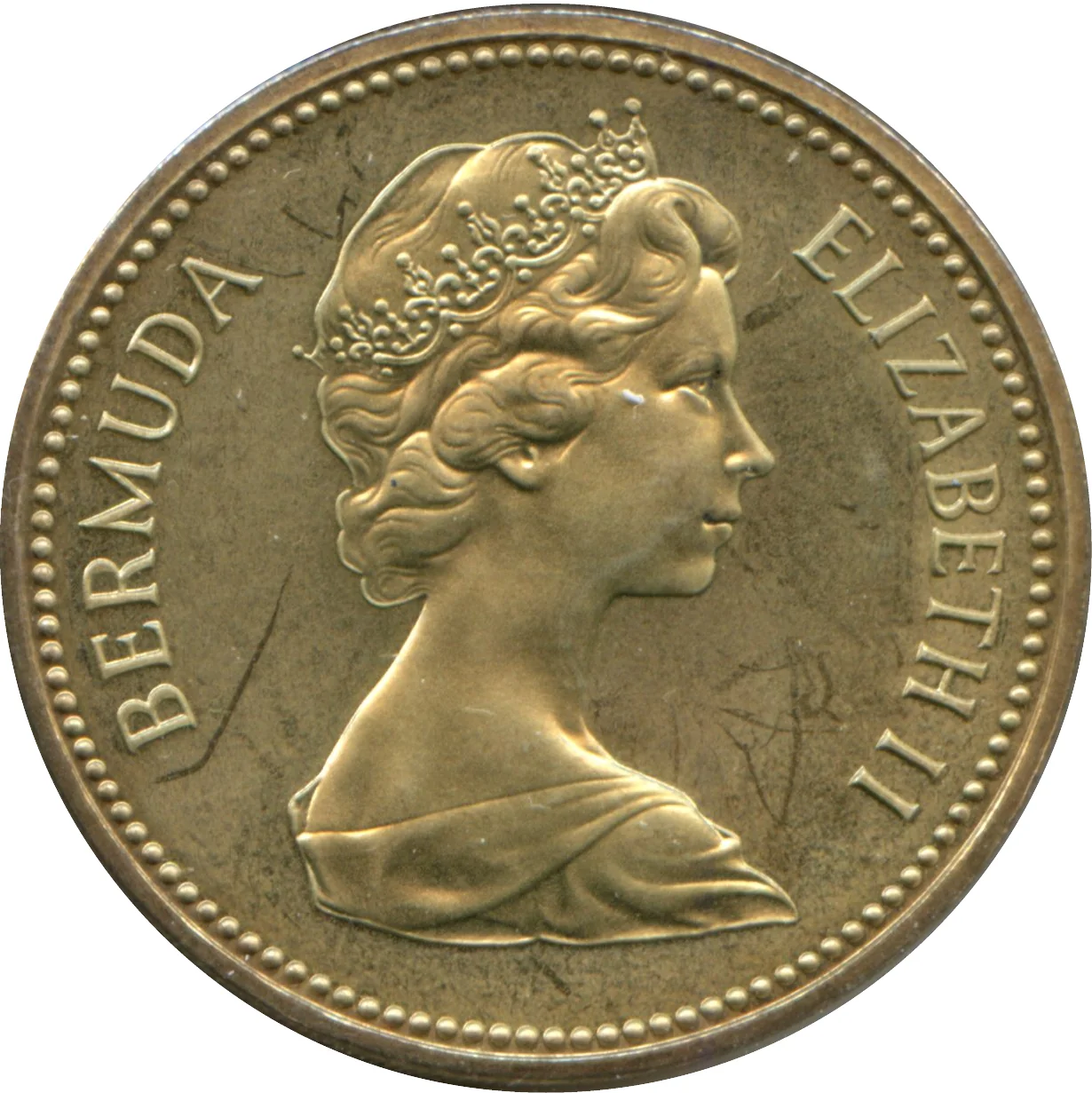
Obverse
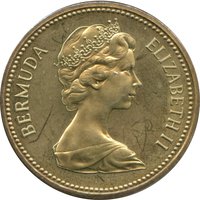
Description:
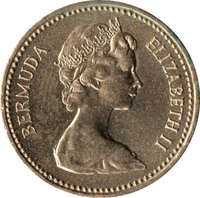
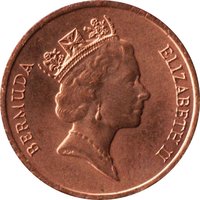
Youthful profile portrait
Inscription:
BERMUDA ELIZABETH II
Translation:
Elizabeth II Bermuda
Script: Latin
Engraver: Arnold Machin
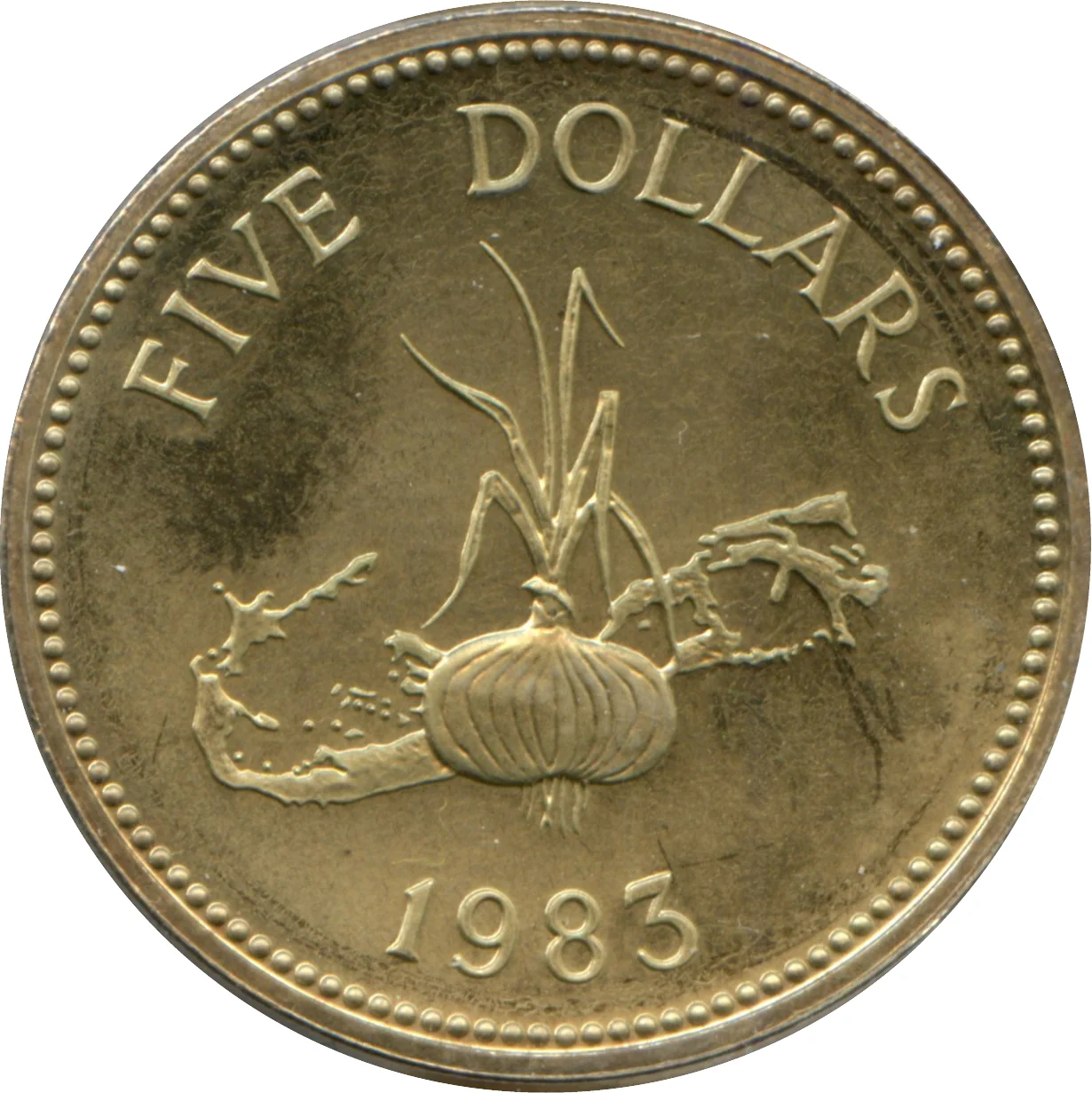
Reverse
Edge
Reeded & lettered
Legend:
BERMUDA MONETARY AUTHORITY
Categories
| Map |
Mintings
| Year | Mint Mark | Mintage | Quality | Collection |
|---|---|---|---|---|
| 1983 | — | 100,000 | ||
| 1983 | — | 6,474 | Proof |
Historical background
In 1983, Bermuda's currency situation was defined by its unique and long-standing relationship with the United States dollar. Since 1972, the Bermudian dollar had been officially pegged at par (1:1) to the US dollar, a policy managed by the Bermuda Monetary Authority (BMA). This fixed exchange rate provided critical stability for an economy almost entirely dependent on tourism and international business, primarily from the US, as it eliminated foreign exchange risk for visitors and investors. Both currencies circulated interchangeably on the island, with US notes and coins accepted in all daily transactions alongside local issues.
The system functioned effectively due to Bermuda's strong external reserves, which were bolstered by a consistent balance of payments surplus from its thriving international business sector (insurance and reinsurance) and high-end tourism. The Bermudian dollar itself was not, however, an internationally traded currency; it was a local issue used for domestic purposes, fully backed by foreign reserves held in US dollars and other strong currencies. This prudent fiscal and monetary management by the BMA ensured the peg was credible and required no capital controls, allowing for the free flow of capital.
Therefore, the backdrop in 1983 was one of notable stability and confidence. The currency peg was a cornerstone of economic policy, successfully insulating the territory from the volatility seen in global currency markets during the early 1980s. The situation presented no major crises or debates; instead, it was characterized by a seamless dual circulation that facilitated Bermuda's vital economic links with the United States, reinforcing the island's role as a stable offshore financial centre.
The system functioned effectively due to Bermuda's strong external reserves, which were bolstered by a consistent balance of payments surplus from its thriving international business sector (insurance and reinsurance) and high-end tourism. The Bermudian dollar itself was not, however, an internationally traded currency; it was a local issue used for domestic purposes, fully backed by foreign reserves held in US dollars and other strong currencies. This prudent fiscal and monetary management by the BMA ensured the peg was credible and required no capital controls, allowing for the free flow of capital.
Therefore, the backdrop in 1983 was one of notable stability and confidence. The currency peg was a cornerstone of economic policy, successfully insulating the territory from the volatility seen in global currency markets during the early 1980s. The situation presented no major crises or debates; instead, it was characterized by a seamless dual circulation that facilitated Bermuda's vital economic links with the United States, reinforcing the island's role as a stable offshore financial centre.
⭐ Somewhat Rare