

2 rand – South Africa
Add to wishlist
Non-circulating coins
Commemoration: Trains of South Africa Series
South Africa
Context
Material
References
Numista: #138886
Value
Exchange value: 2 ZAR
Bullion value: $75.71
Inflation-adjusted value: 3.31 ZAR
Obverse
Description:
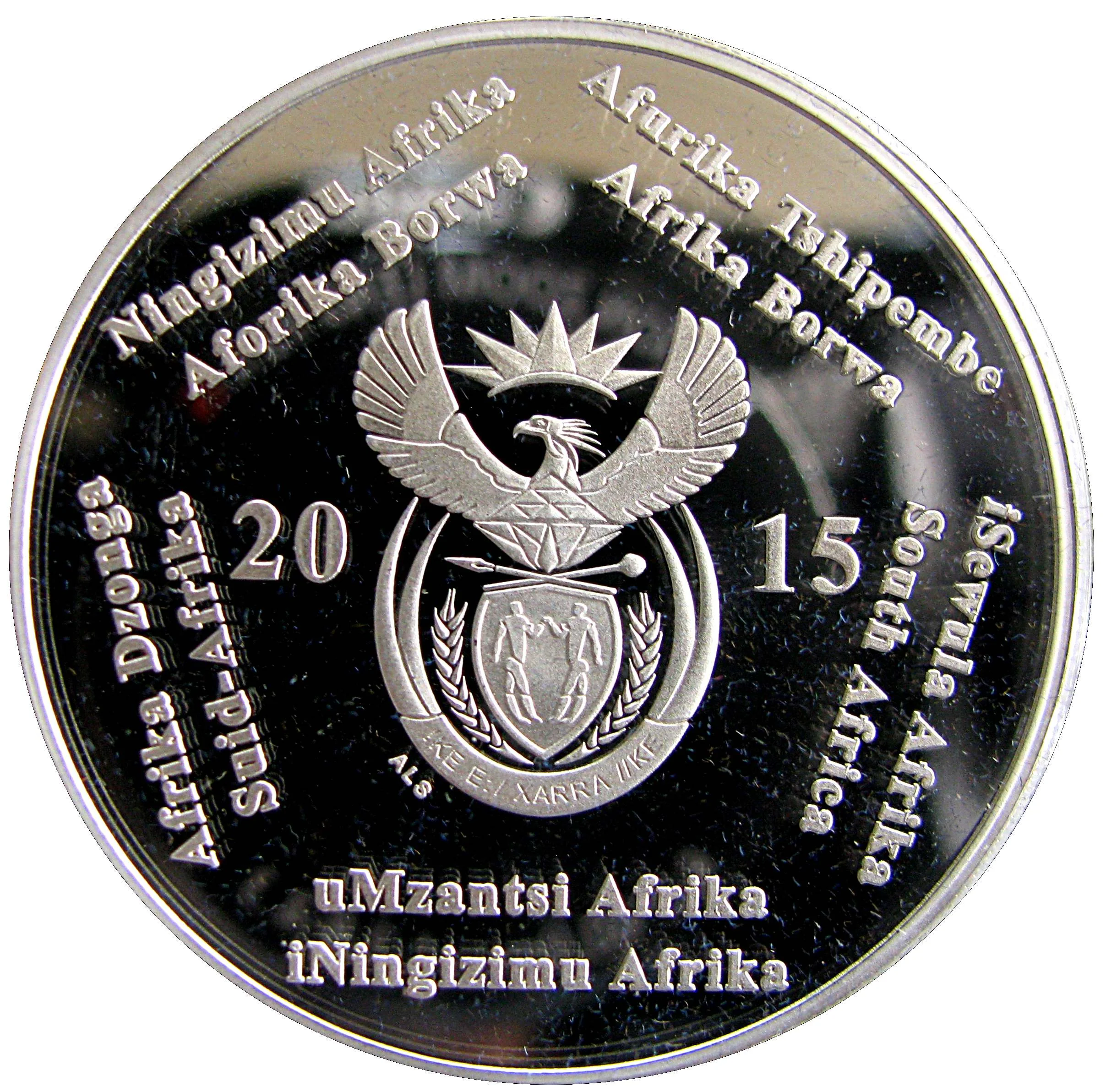
South Africa's coat of arms with its name in ten languages.
Inscription:
Afrika Dzonga
Suid-Afrika
Ningizimu Afrika
Aforika Borwa
Afurika Tshipembe
Afrika Borwa
iSewula Afrika
South Africa
uMzantsi Afrika
iNingizimu Afrika
2015
!KE E: /XARRA //KE
ALS
Suid-Afrika
Ningizimu Afrika
Aforika Borwa
Afurika Tshipembe
Afrika Borwa
iSewula Afrika
South Africa
uMzantsi Afrika
iNingizimu Afrika
2015
!KE E: /XARRA //KE
ALS
Translation:
South Africa
South Africa
South Africa
South Africa
South Africa
South Africa
South Africa
South Africa
South Africa
South Africa
2015
Diverse People Unite
South Africa
South Africa
South Africa
South Africa
South Africa
South Africa
South Africa
South Africa
South Africa
2015
Diverse People Unite
Script: Latin
Languages: Northern Sotho, Swazi, Southern Ndebele, English, Tsonga, Tswana, Xhosa, Venda, Zulu, Afrikaans
Engraver: Arthur Sutherland
Reverse
Description:
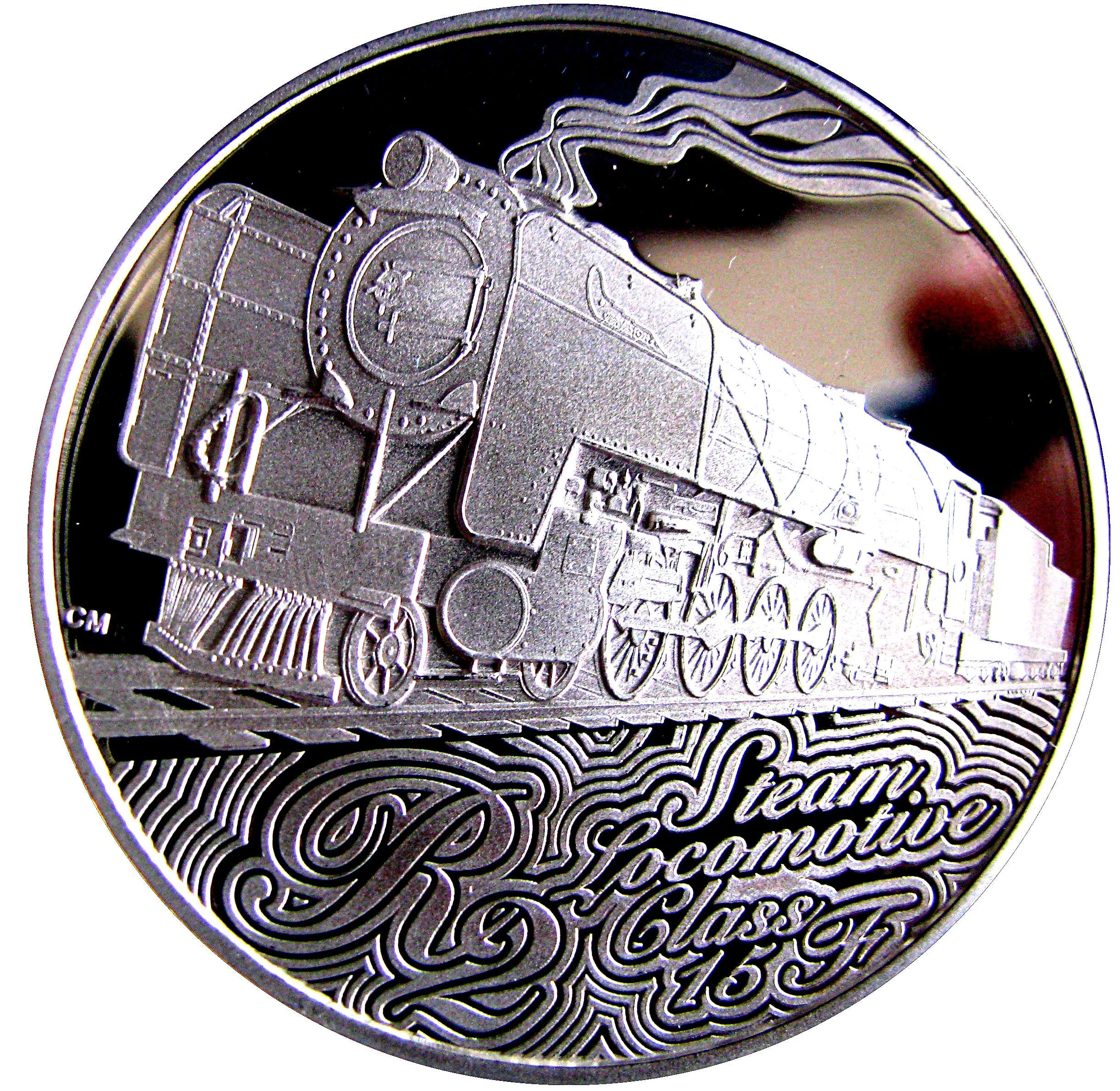
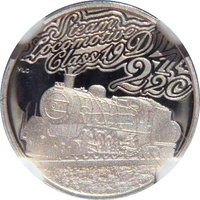
Steam locomotive moving left.
Inscription:
R2
Steam Locomotive
Class 15F
CM
Steam Locomotive
Class 15F
CM
Script: Latin
Engraver: Cecil Moses
Edge
Reeded
Categories
| Symbols> Coat of Arms |
| Transportation> Train |
Mintings
| Year | Mint Mark | Mintage | Quality | Collection |
|---|---|---|---|---|
| 2015 | — | 537 | Proof |
Historical background
In 2015, South Africa's currency, the rand, faced significant volatility and depreciation, driven by a combination of domestic and international pressures. Domestically, the country grappled with severe electricity shortages due to mismanagement at the state-owned utility Eskom, leading to widespread load-shedding that crippled economic activity and investor confidence. This was compounded by persistent concerns over political instability, corruption scandals, and disappointing economic growth, which was projected to be below 2% for the year. These internal weaknesses made the economy highly vulnerable to external shocks.
The most profound external shock was the anticipation of monetary policy tightening by the US Federal Reserve, which strengthened the US dollar and triggered capital flight from emerging markets like South Africa. Furthermore, a dramatic slump in global commodity prices—particularly for key South African exports like platinum, gold, and iron ore—severely damaged the country's terms of trade and widened its current account deficit. This "perfect storm" of factors saw the rand lose over 25% of its value against the US dollar during the year, breaching the psychologically significant R14/$ mark and hitting a series of new all-time lows.
The currency crisis placed the South African Reserve Bank (SARB) in a difficult position. While aiming to support growth, rising inflation—partly imported via the weaker rand—forced the SARB to continue a gradual interest rate hiking cycle that began in 2014, further straining indebted consumers and businesses. The depreciating rand intensified economic pressures, contributing to higher living costs and social discontent, while also highlighting the country's deep structural challenges and its sensitivity to global financial sentiment.
The most profound external shock was the anticipation of monetary policy tightening by the US Federal Reserve, which strengthened the US dollar and triggered capital flight from emerging markets like South Africa. Furthermore, a dramatic slump in global commodity prices—particularly for key South African exports like platinum, gold, and iron ore—severely damaged the country's terms of trade and widened its current account deficit. This "perfect storm" of factors saw the rand lose over 25% of its value against the US dollar during the year, breaching the psychologically significant R14/$ mark and hitting a series of new all-time lows.
The currency crisis placed the South African Reserve Bank (SARB) in a difficult position. While aiming to support growth, rising inflation—partly imported via the weaker rand—forced the SARB to continue a gradual interest rate hiking cycle that began in 2014, further straining indebted consumers and businesses. The depreciating rand intensified economic pressures, contributing to higher living costs and social discontent, while also highlighting the country's deep structural challenges and its sensitivity to global financial sentiment.
✨ Legendary