

2 pe – Cambodia
Add to wishlist
Cambodia
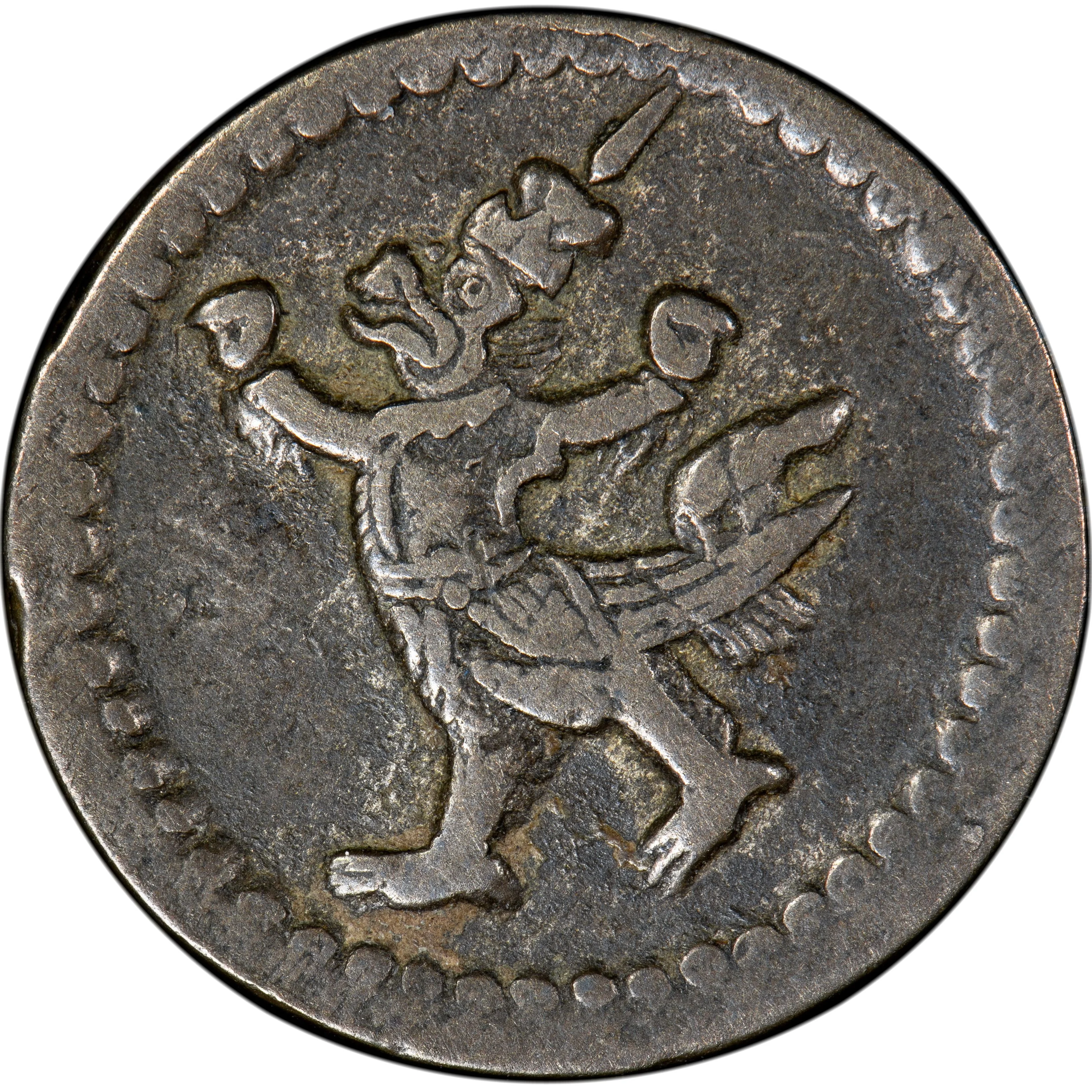
Obverse
Description:
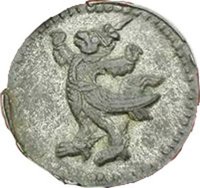
Garuda left, encircled by denticles.
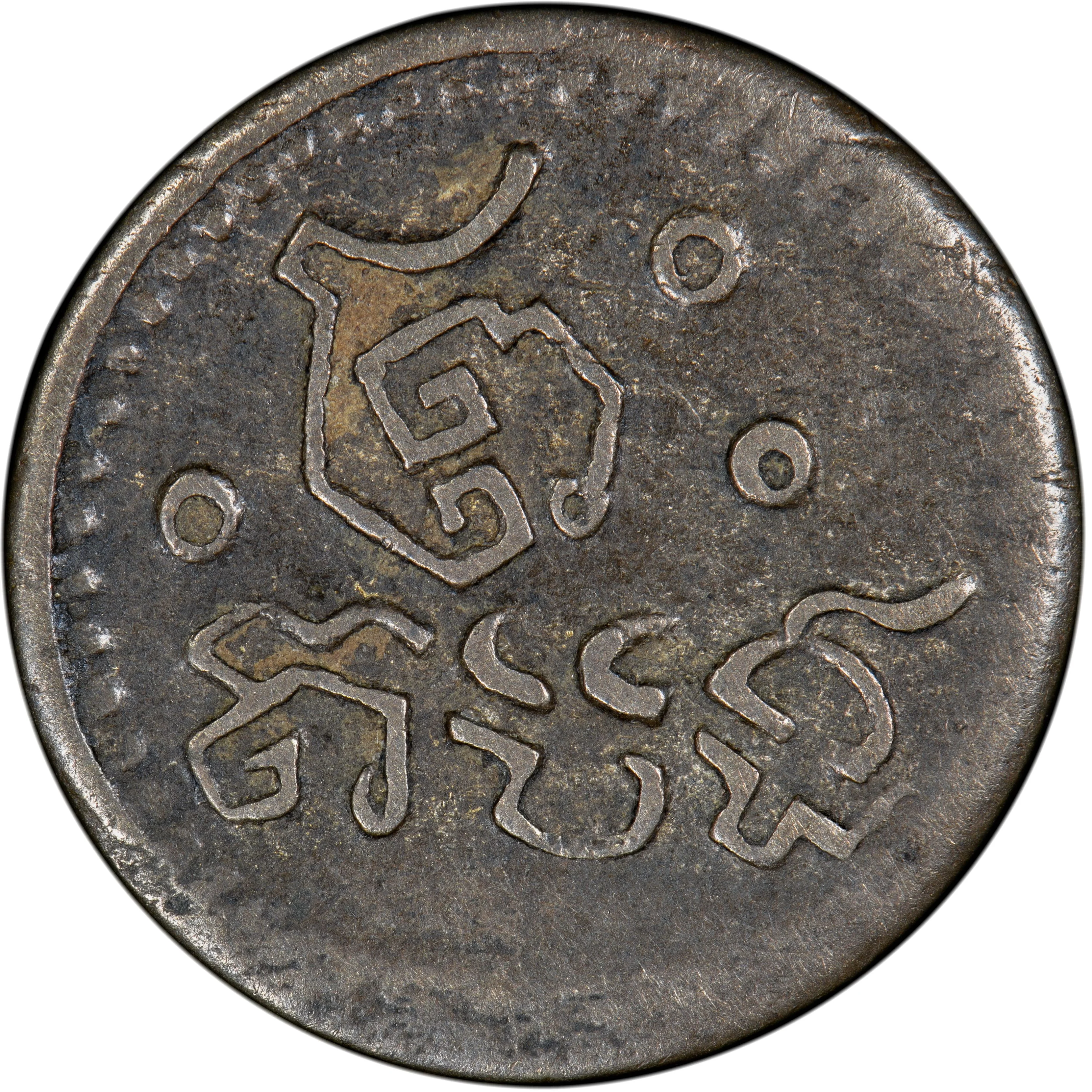
Reverse
Description:
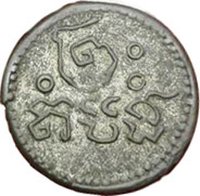
3-line legend:
Edge
Mintings
| Year | Mint Mark | Mintage | Quality | Collection |
|---|---|---|---|---|
| 1880 | — | — |
Historical background
In the 1880s, Cambodia existed under a complex and fragmented monetary system, a reflection of its political transition. Nominally a protectorate of France since 1863, the kingdom remained under the dual suzerainty of its French "protectors" and its traditional overlords in Siam (Thailand). This political duality was mirrored in its currency, where no single, state-issued coinage held dominance. Instead, the economy operated on a multi-currency standard, with foreign silver coins circulating freely as the primary media of exchange.
The most important of these was the Mexican silver dollar (the "piastre de commerce"), which served as the de facto standard for large transactions and foreign trade. Alongside it, a variety of other silver coins circulated, including French Indochinese piastres, Spanish dollars, and British Indian rupees. For smaller, everyday transactions, people used strings of sapèque (holed copper coins) imported from China and Vietnam, as well as bullet-shaped silver lingots (known as "feather money" or prak). This system was highly inconvenient, requiring merchants and officials to constantly weigh, assay, and convert between different coins of fluctuating purity.
This monetary chaos was a direct concern for the French colonial administration, which sought greater economic control. The 1880s were a pivotal decade as France moved to consolidate its authority, culminating in the full integration of Cambodia into the Union of Indochina in 1887. A key project, initiated in this period but not realized until the 1890s, was the creation of a unified currency for Indochina to replace the circulating foreign silver. Thus, the currency situation in 1880s Cambodia was one of transition—from a traditional, multi-currency bazaar system toward the impending imposition of a centralized colonial monetary authority.
The most important of these was the Mexican silver dollar (the "piastre de commerce"), which served as the de facto standard for large transactions and foreign trade. Alongside it, a variety of other silver coins circulated, including French Indochinese piastres, Spanish dollars, and British Indian rupees. For smaller, everyday transactions, people used strings of sapèque (holed copper coins) imported from China and Vietnam, as well as bullet-shaped silver lingots (known as "feather money" or prak). This system was highly inconvenient, requiring merchants and officials to constantly weigh, assay, and convert between different coins of fluctuating purity.
This monetary chaos was a direct concern for the French colonial administration, which sought greater economic control. The 1880s were a pivotal decade as France moved to consolidate its authority, culminating in the full integration of Cambodia into the Union of Indochina in 1887. A key project, initiated in this period but not realized until the 1890s, was the creation of a unified currency for Indochina to replace the circulating foreign silver. Thus, the currency situation in 1880s Cambodia was one of transition—from a traditional, multi-currency bazaar system toward the impending imposition of a centralized colonial monetary authority.
⭐ Somewhat Rare