

Obverse
Description:
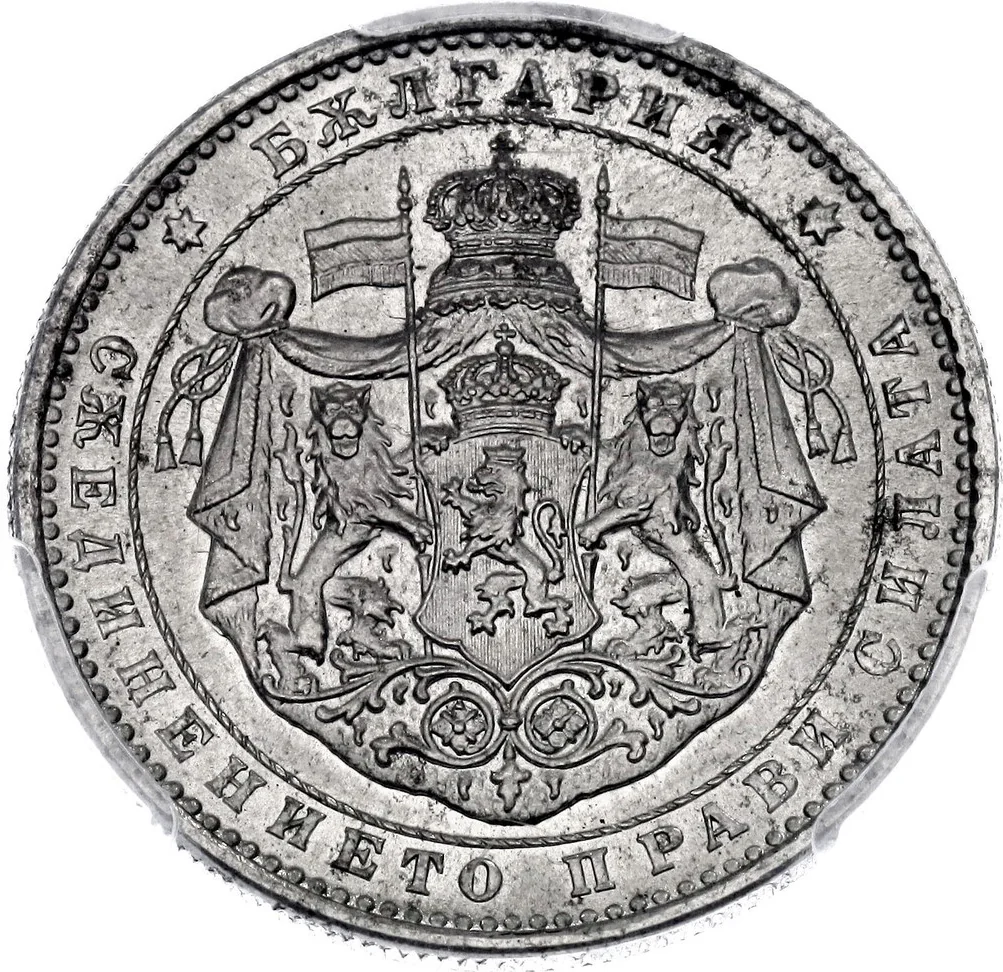
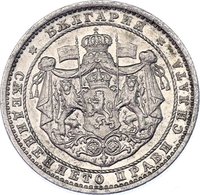
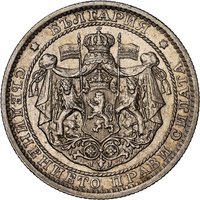
Bulgaria's greater coat of arms (1881–1927): A crowned lion on a shield, topped with the historical crown and flanked by two lion supporters with flags. Motto: "Unity makes strength."
Inscription:
БѪЛГАРИЯ
СѪЕДИНЕНИЕТО ПРАВИ СИЛАТА
СѪЕДИНЕНИЕТО ПРАВИ СИЛАТА
Translation:
BULGARIA
UNITY MAKES STRENGTH
UNITY MAKES STRENGTH
Script: Cyrillic
Language: Bulgarian
Reverse
Edge
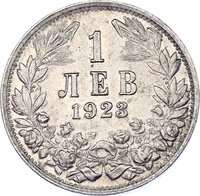
Reeded
Categories
| Symbols> Coat of Arms |
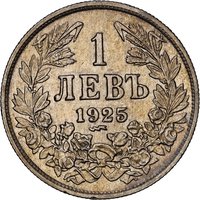
| Symbol> Wreath |
Mints
| Name | Mark |
|---|---|
| Heaton and Sons / The Mint Birmingham | — |
| Münze Österreich | — |
| Royal Mint of Belgium | — |
| Société Française de Monnayage | — |
Mintings
| Year | Mint Mark | Mintage | Quality | Collection |
|---|---|---|---|---|
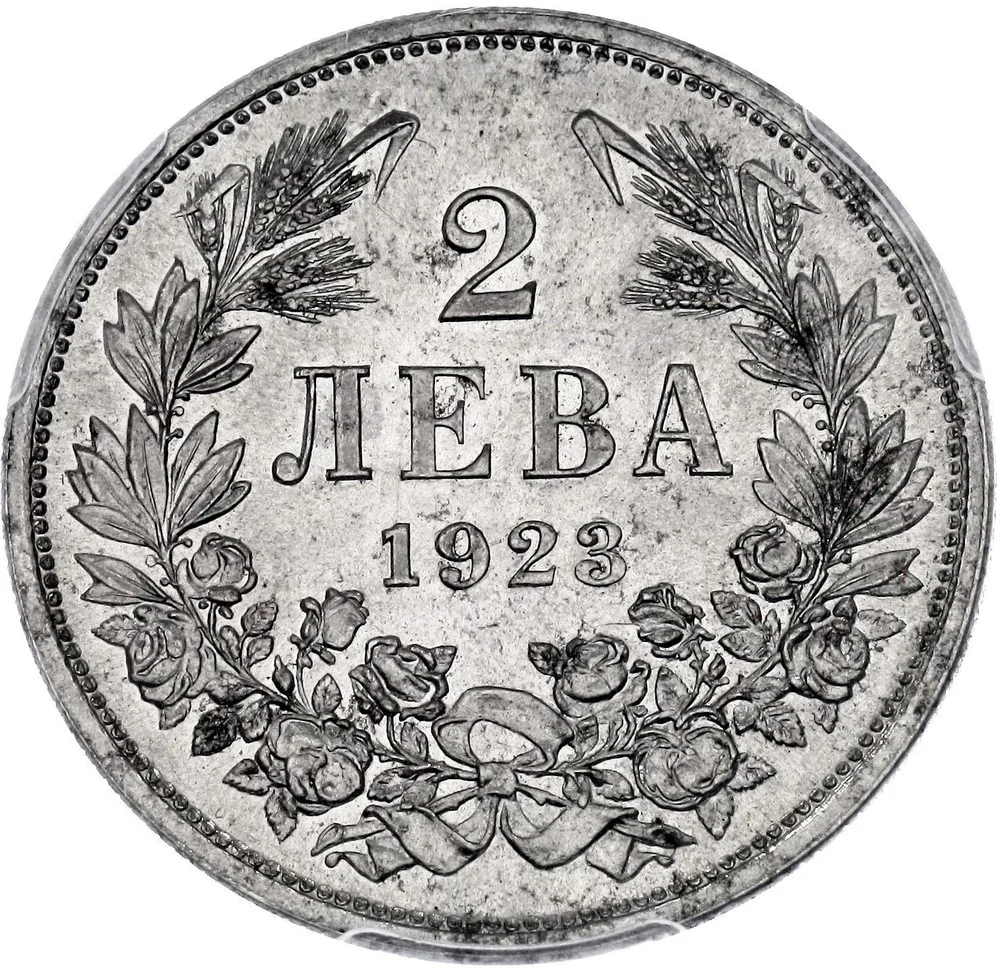
| 1923 | — | 20,904,630 |
Historical background
In 1923, Bulgaria's currency situation was defined by the severe hyperinflation of the Bulgarian lev, a crisis that had begun during World War I and peaked in the early 1920s. The national debt had skyrocketed due to war expenditures and massive reparations imposed by the 1919 Treaty of Neuilly, which demanded Bulgaria pay £100 million and cede territory. To meet these obligations and fund government operations, the state resorted to printing money without backing, leading to a catastrophic loss of value. By 1923, the currency was in freefall, with prices for basic goods doubling in a matter of days and savings being rendered worthless, causing immense social hardship and eroding public trust in institutions.
This economic turmoil formed a critical backdrop to the intense political instability of the year, which culminated in the June 1923 coup and the subsequent September Uprising. The agrarian government of Aleksandar Stamboliyski, which fell in the coup, had struggled to manage the crisis. The hyperinflation devastated the urban middle class, civil servants, and wage earners, creating a fertile ground for political radicalization and violence. Different political factions, including the Bulgarian Communist Party, agrarians, and nationalist forces, clashed in a struggle for power, with the currency collapse exacerbating social divisions and fueling widespread discontent.
Ultimately, the crisis demanded drastic stabilization. In 1924, the year following this turbulent period, the government would implement a currency reform, introducing a new lev pegged to gold. This reform, achieved with the help of a League of Nations loan, successfully ended the hyperinflation but came with strict austerity measures. Therefore, the currency situation in 1923 represented the nadir of a prolonged economic disaster, acting as both a cause and a symptom of the profound national crisis that defined Bulgarian society during that pivotal year.
This economic turmoil formed a critical backdrop to the intense political instability of the year, which culminated in the June 1923 coup and the subsequent September Uprising. The agrarian government of Aleksandar Stamboliyski, which fell in the coup, had struggled to manage the crisis. The hyperinflation devastated the urban middle class, civil servants, and wage earners, creating a fertile ground for political radicalization and violence. Different political factions, including the Bulgarian Communist Party, agrarians, and nationalist forces, clashed in a struggle for power, with the currency collapse exacerbating social divisions and fueling widespread discontent.
Ultimately, the crisis demanded drastic stabilization. In 1924, the year following this turbulent period, the government would implement a currency reform, introducing a new lev pegged to gold. This reform, achieved with the help of a League of Nations loan, successfully ended the hyperinflation but came with strict austerity measures. Therefore, the currency situation in 1923 represented the nadir of a prolonged economic disaster, acting as both a cause and a symptom of the profound national crisis that defined Bulgarian society during that pivotal year.
🌟 Uncommon