

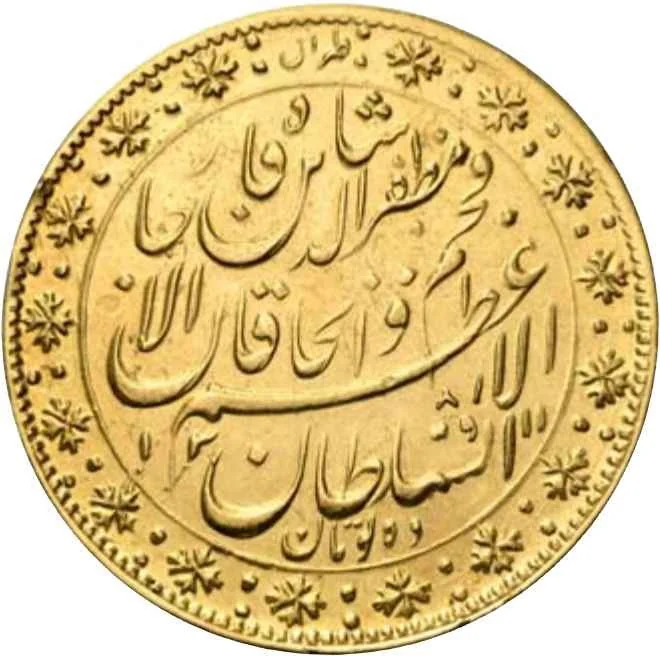
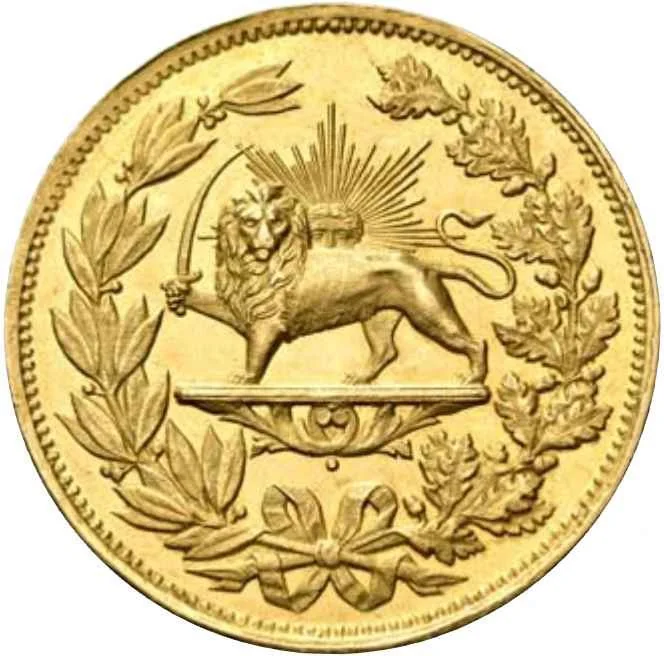
10 toman – Iran
Add to wishlist
Iran
Context
Year: 1901
Islamic (Hijri) Year:: 1318
Issuer: Iran
Ruler: Mozaffar ad-Din Shah
Currency:
(1825—1932)
Demonetized: Yes
Material
References
KM: #
Numista: #138210
Value
Bullion value: $3951.68
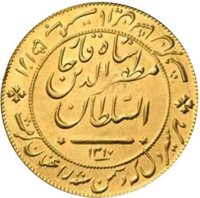
Obverse
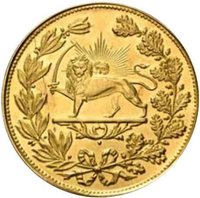
Reverse
Description:
Lion walking left with sword, sunface above, inside wreath.
Edge
Mints
| Name | Mark |
|---|---|
| Tehran | طهران |
Mintings
| Year | Mint Mark | Mintage | Quality | Collection |
|---|---|---|---|---|
| 1901 | — | — |
Historical background
In 1901, Iran's currency situation was characterized by profound instability and complexity, rooted in the Qajar dynasty's weak central authority and severe financial distress. The monetary system was a chaotic mix of domestic and foreign coins circulating simultaneously. The primary unit was the silver qiran (also kran), but its value and silver content had been drastically debased over decades to fund state expenses, leading to widespread counterfeiting. Alongside these, gold tomans (worth 10 qirans), copper shahis and puls, and a plethora of regional coins of varying weights and purity created a bewildering landscape for trade, requiring money changers (sarraf) at every market.
This internal fragility was exacerbated by intense foreign economic pressure, particularly from the Russian Empire and Great Britain, whose spheres of influence dominated the north and south of Iran respectively. Both powers circulated their own currency—Russian rubles and gold imperials in the north, and British Indian silver rupees in the south and east—further undermining Iranian sovereignty. The government's reliance on foreign loans, often secured against future customs revenues, deepened its dependency and drained its limited silver reserves, making it impossible to standardize or restore confidence in the national coinage.
The year 1901 itself was a pivotal moment, as it saw the granting of the D'Arcy Concession to a British subject, which would later reveal the world's largest oil reserves. While the full economic impact was not yet felt, this concession symbolized the state's desperate need for large upfront cash payments to fill its bankrupt treasury, continuing the pattern of trading long-term resources for immediate, often devalued, currency. Consequently, the monetary chaos of 1901 reflected a nation caught in a vicious cycle of internal decay and external exploitation, setting the stage for the financial crises that would fuel the Constitutional Revolution just a few years later.
This internal fragility was exacerbated by intense foreign economic pressure, particularly from the Russian Empire and Great Britain, whose spheres of influence dominated the north and south of Iran respectively. Both powers circulated their own currency—Russian rubles and gold imperials in the north, and British Indian silver rupees in the south and east—further undermining Iranian sovereignty. The government's reliance on foreign loans, often secured against future customs revenues, deepened its dependency and drained its limited silver reserves, making it impossible to standardize or restore confidence in the national coinage.
The year 1901 itself was a pivotal moment, as it saw the granting of the D'Arcy Concession to a British subject, which would later reveal the world's largest oil reserves. While the full economic impact was not yet felt, this concession symbolized the state's desperate need for large upfront cash payments to fill its bankrupt treasury, continuing the pattern of trading long-term resources for immediate, often devalued, currency. Consequently, the monetary chaos of 1901 reflected a nation caught in a vicious cycle of internal decay and external exploitation, setting the stage for the financial crises that would fuel the Constitutional Revolution just a few years later.
✨ Legendary