

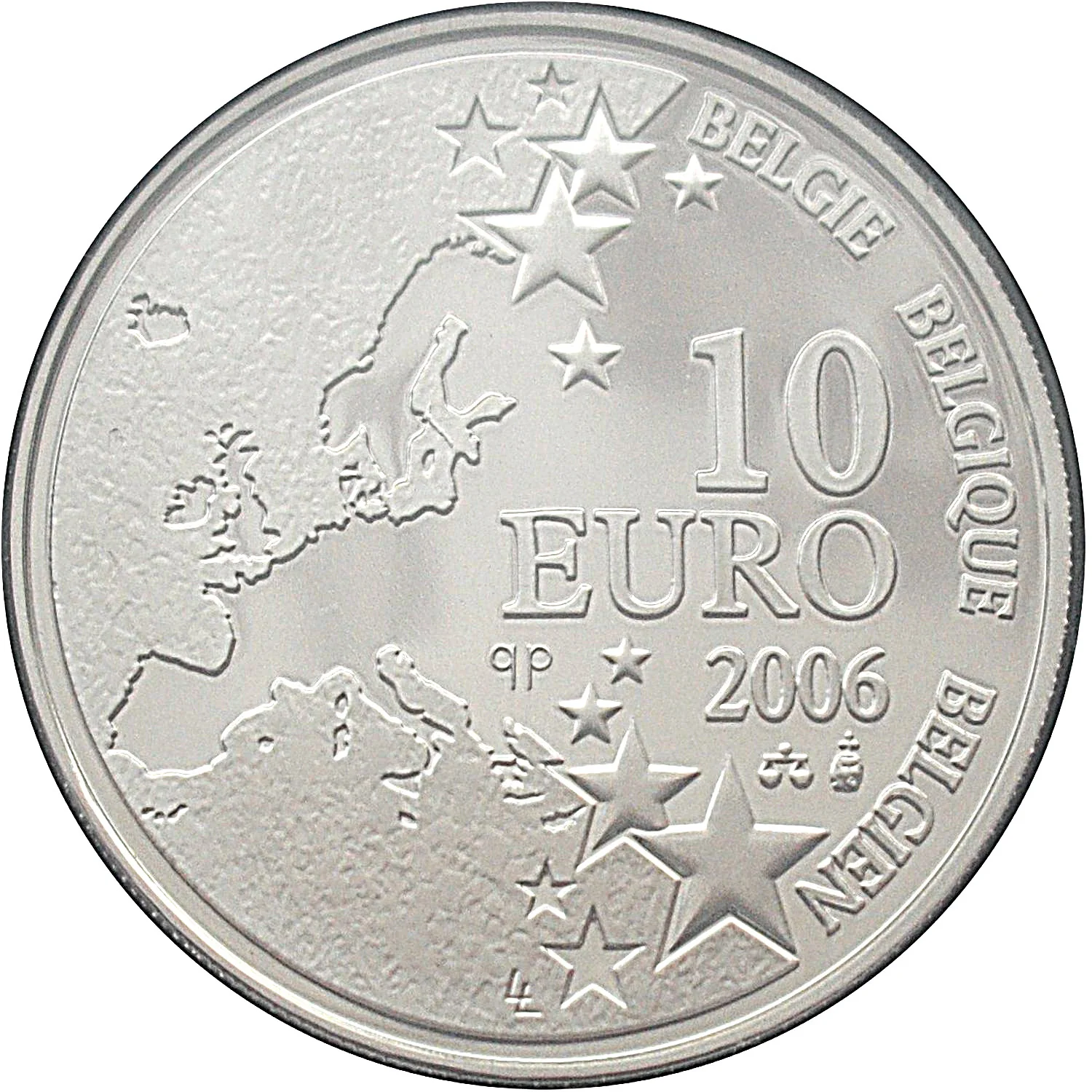
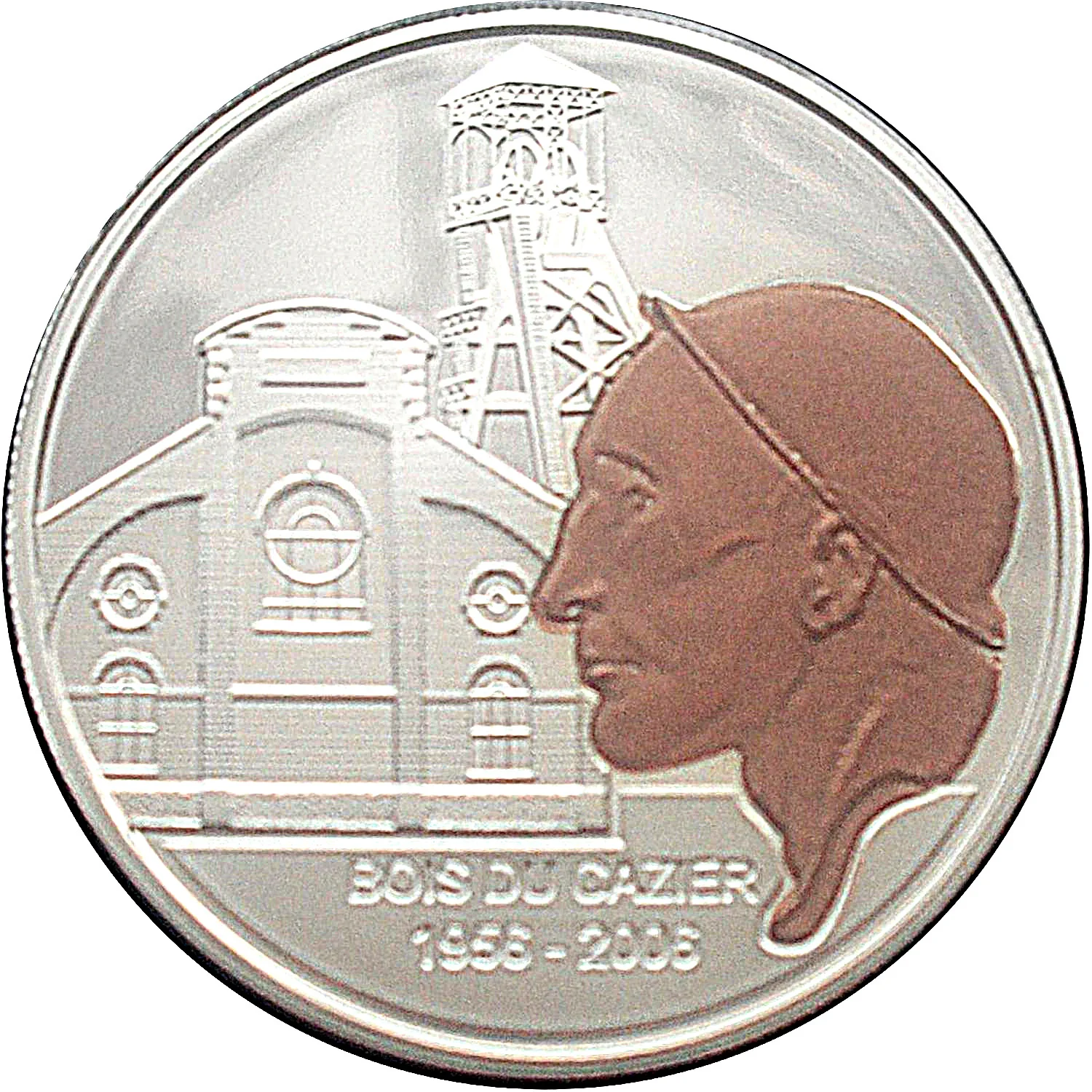
10 Euro (Mines of Bois du Cazier / Marcinelle Disaster) – Belgium
Non-circulating coins
Commemoration: 50th Anniversary of the Mines of Bois du Cazier / Marcinelle Disaster
Belgium
Context

Material
References
KM: #Click to copy to clipboard257a
Numista: #33113
Value
Exchange value: 10 EUR = $11.81
Bullion value: $50.41
Inflation-adjusted value: 15.52 EUR
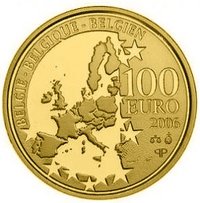
Obverse
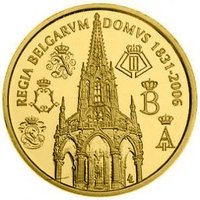
Reverse
Edge
Milled.
Mintings
| Year | Mint Mark | Mintage | Quality | Collection |
|---|---|---|---|---|
| 2006 | — | 1,441 | Proof |
Historical background
In 2006, Belgium was a well-established member of the Eurozone, having adopted the euro as its physical currency in 2002, replacing the Belgian franc. The transition was considered a success, with the euro providing monetary stability and eliminating exchange rate risks within the single market. By 2006, the currency was fully integrated into daily life, and the Belgian economy was operating under the monetary policy set by the European Central Bank (ECB) in Frankfurt, which focused on maintaining price stability for the entire Eurozone.
Domestically, the main currency-related discussions in Belgium during this period were not about the euro itself but about its economic impacts. There were ongoing debates, common across Europe, regarding the perceived loss of national monetary policy tools to address local economic conditions. Some Belgian businesses and consumers expressed concerns about price increases following the euro transition, a phenomenon often referred to as "price rounding-up," though studies showed this effect was largely temporary. The national economic policy focus was on maintaining competitiveness and fiscal discipline within the constraints of the EU's Stability and Growth Pact.
Furthermore, 2006 fell within the context of the euro's growing strength on international markets. A strong euro benefited Belgian consumers through cheaper imports and foreign travel but posed challenges for the country's significant export-oriented industrial and chemical sectors. The overall situation was one of stability, with Belgium's currency framework firmly European, and national economic debates centered on adapting to and optimizing performance within the single currency area rather than questioning its existence.
Domestically, the main currency-related discussions in Belgium during this period were not about the euro itself but about its economic impacts. There were ongoing debates, common across Europe, regarding the perceived loss of national monetary policy tools to address local economic conditions. Some Belgian businesses and consumers expressed concerns about price increases following the euro transition, a phenomenon often referred to as "price rounding-up," though studies showed this effect was largely temporary. The national economic policy focus was on maintaining competitiveness and fiscal discipline within the constraints of the EU's Stability and Growth Pact.
Furthermore, 2006 fell within the context of the euro's growing strength on international markets. A strong euro benefited Belgian consumers through cheaper imports and foreign travel but posed challenges for the country's significant export-oriented industrial and chemical sectors. The overall situation was one of stability, with Belgium's currency framework firmly European, and national economic debates centered on adapting to and optimizing performance within the single currency area rather than questioning its existence.
💎 Extremely Rare