

10 kwacha (Queen Elizabeth II) – Malawi
Add to wishlist
Non-circulating coins
Commemoration: 80th Birthday of Queen Elizabeth II
Malawi
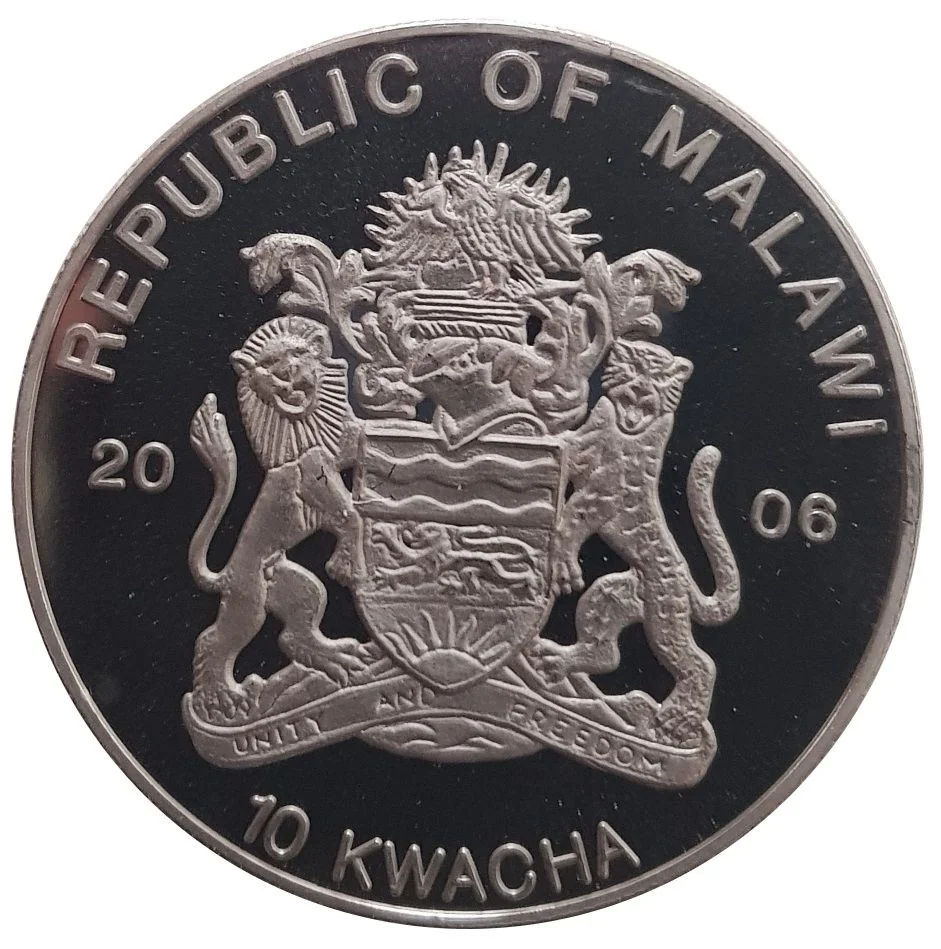
Obverse
Description:
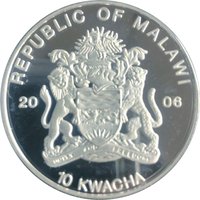
Name top, coat of arms center, date sides, value bottom.
Inscription:
REPUBLIC OF MALAWI
2006
10 KWACHA
2006
10 KWACHA
Script: Latin
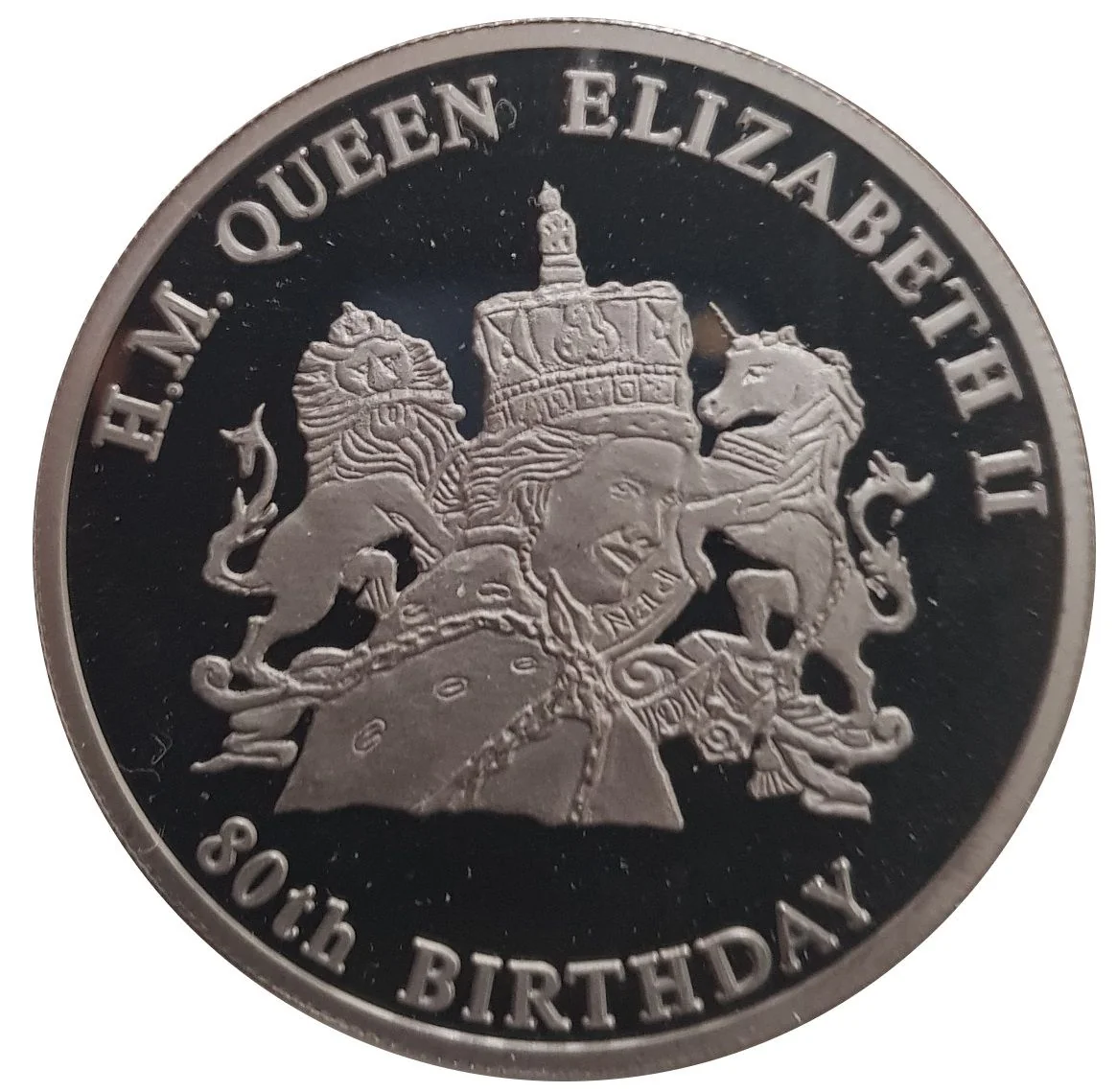
Reverse
Description:
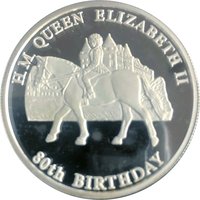
English coat of arms, centrally placed.
Inscription:
H.M. QUEEN ELIZABETH II
80th BIRTHDAY
80th BIRTHDAY
Script: Latin
Edge
Categories
| Symbols> Coat of Arms |
| Event> Birth anniversary |
| Person> Monarch |
Mintings
| Year | Mint Mark | Mintage | Quality | Collection |
|---|---|---|---|---|
| 2006 | — | — |
Historical background
In 2006, Malawi's currency, the kwacha, faced significant and sustained pressure, characterized by a severe shortage of foreign exchange on the official market. This crisis was rooted in a combination of structural economic weaknesses and specific policy decisions. The country, heavily reliant on tobacco exports (which accounted for over half of its foreign earnings), was grappling with declining global prices and demand. Concurrently, imports—particularly for fuel, fertilizer, and manufactured goods—remained high, creating a persistent trade deficit. The situation was exacerbated by the suspension of direct budget support by major international donors in late 2005 due to governance concerns, which drastically reduced the inflow of hard currency.
The government, under President Bingu wa Mutharika, initially maintained a tightly controlled official exchange rate, which became increasingly overvalued. This created a vast and thriving parallel (black) market where the kwacha traded at a premium of up to 30% below its official value. Businesses struggled to access dollars through formal banking channels to pay for essential imports, leading to frequent shortages of fuel and other commodities. The overvaluation acted as a tax on the crucial tobacco sector, disadvantaging exporters who received fewer kwacha for their dollar earnings, while also making imports artificially cheap and discouraging local production.
By the latter half of 2006, the untenable disparity between the official and parallel market rates forced a policy shift. In August, the Reserve Bank of Malawi, with encouragement from the International Monetary Fund (IMF), announced a one-time 10% devaluation of the kwacha, moving from MK 108.4 to MK 119.3 to the US dollar. This was accompanied by a commitment to a more flexible, market-responsive exchange rate mechanism. While necessary to correct imbalances and unlock IMF support, the devaluation had immediate inflationary consequences, increasing the cost of imported goods and fuel, and placing a burden on Malawians already facing high levels of poverty. The 2006 currency crisis thus highlighted the vulnerabilities of a small, import-dependent economy and set the stage for further economic reforms.
The government, under President Bingu wa Mutharika, initially maintained a tightly controlled official exchange rate, which became increasingly overvalued. This created a vast and thriving parallel (black) market where the kwacha traded at a premium of up to 30% below its official value. Businesses struggled to access dollars through formal banking channels to pay for essential imports, leading to frequent shortages of fuel and other commodities. The overvaluation acted as a tax on the crucial tobacco sector, disadvantaging exporters who received fewer kwacha for their dollar earnings, while also making imports artificially cheap and discouraging local production.
By the latter half of 2006, the untenable disparity between the official and parallel market rates forced a policy shift. In August, the Reserve Bank of Malawi, with encouragement from the International Monetary Fund (IMF), announced a one-time 10% devaluation of the kwacha, moving from MK 108.4 to MK 119.3 to the US dollar. This was accompanied by a commitment to a more flexible, market-responsive exchange rate mechanism. While necessary to correct imbalances and unlock IMF support, the devaluation had immediate inflationary consequences, increasing the cost of imported goods and fuel, and placing a burden on Malawians already facing high levels of poverty. The 2006 currency crisis thus highlighted the vulnerabilities of a small, import-dependent economy and set the stage for further economic reforms.
✨ Legendary