

100 euro (Matija Jama) – Slovenia
Add to wishlist
Non-circulating coins
Commemoration: The 150th anniversary of the birth of the painter Matija Jama
Slovenia
Context
Material
References
KM: #
Numista: #319628
Value
Exchange value: 100 EUR
Bullion value: $967.19
Inflation-adjusted value: 124.29 EUR
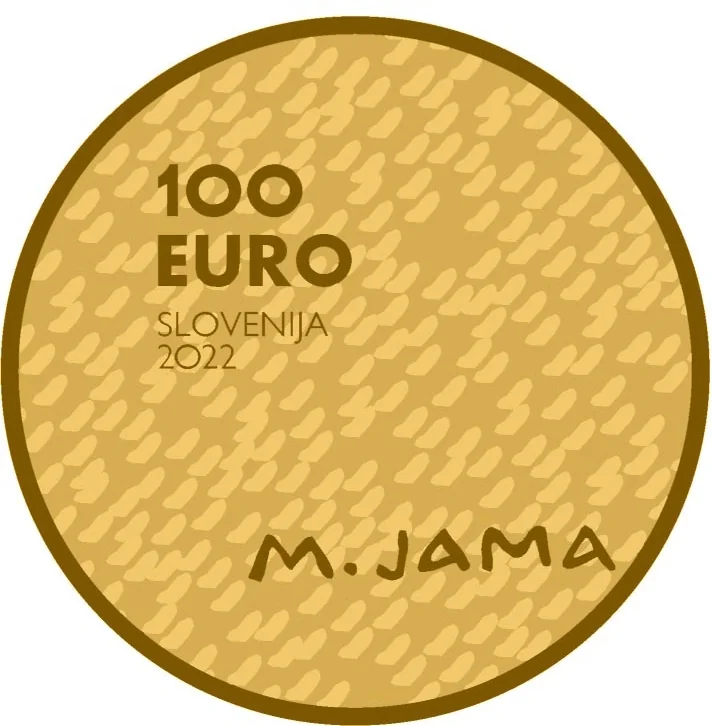
Obverse
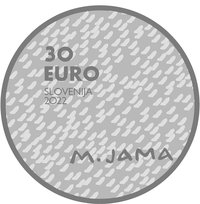
Inscription:
100
EURO
SLOVENIJA
2022
M. JAMA
EURO
SLOVENIJA
2022
M. JAMA
Translation:
ONE HUNDRED
EURO
SLOVENIA
2022
M. JAMA
EURO
SLOVENIA
2022
M. JAMA
Script: Latin
Designer: Matej Štanta
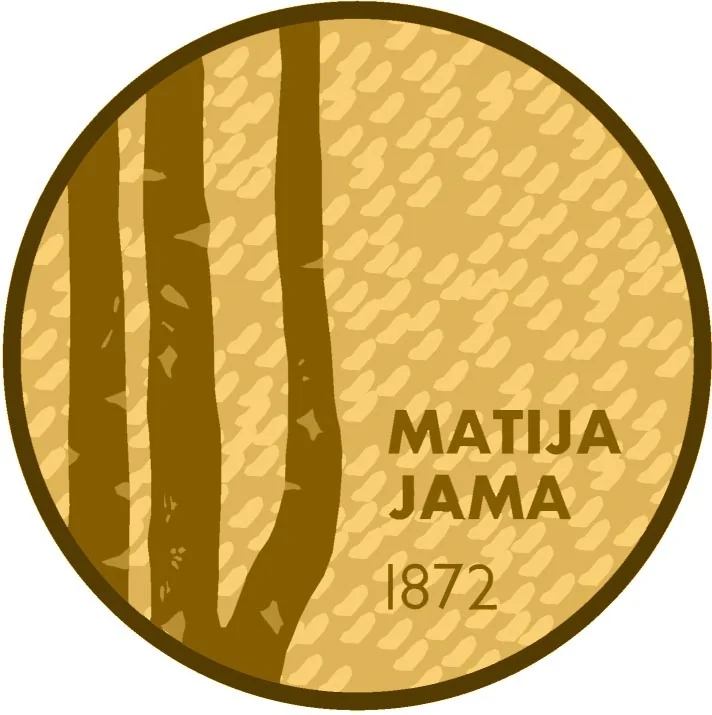
Reverse
Description:
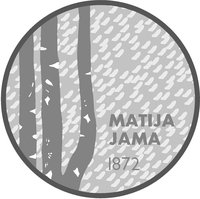
Three birches symbolize a young painter embarking on his creative journey. His brushstrokes form a dynamic, impressionistic background, evoking both his art and nomadic life.
Inscription:
MATIJA
JAMA
1872
JAMA
1872
Script: Latin
Designer: Matej Štanta
Edge
Mints
| Name | Mark |
|---|---|
| Rome | — |
Mintings
| Year | Mint Mark | Mintage | Quality | Collection |
|---|---|---|---|---|
| 2022 | — | 750 | Proof |
Historical background
In 2022, Slovenia continued to use the euro as its sole legal tender, a status it has held since joining the Eurozone on 1 January 2007. As a small, open, and export-oriented economy deeply integrated with the euro area and global markets, its monetary policy was entirely determined by the European Central Bank (ECB). The year was therefore defined by Slovenia navigating the ECB's shifting policies in response to Eurozone-wide inflation, which surged due to the post-pandemic recovery and the energy crisis exacerbated by the war in Ukraine. Domestically, inflation averaged 8.8% for the year, slightly below the Eurozone average but still representing a significant spike that eroded household purchasing power and became a central political and economic concern.
The national economic debate focused not on currency sovereignty but on fiscal and regulatory measures to mitigate the inflationary shock. The government, led by Prime Minister Robert Golob, implemented a series of interventions including price caps on certain basic food items and fuels, subsidies for energy-intensive industries, and support packages for vulnerable populations and pensioners. These measures were financed within the framework of the EU's fiscal rules, which had been temporarily suspended, allowing for greater budgetary flexibility. The country's strong banking sector, having undergone significant restructuring after the 2013 financial crisis, remained stable, though rising interest rates began to cool a previously hot real estate market.
Looking externally, Slovenia's euro membership provided stability by eliminating exchange rate risk with its main trading partners and shielding it from the speculative pressures that might have affected a standalone currency. However, it also meant the country had no independent monetary tools, such as devaluation or interest rate autonomy, to specifically address its local economic conditions. Consequently, Slovenia's economic performance in 2022 was largely contingent on the effectiveness of the ECB's tightening cycle to curb inflation and the national government's targeted fiscal policies to protect its citizens and businesses from the worst effects of the cost-of-living crisis.
The national economic debate focused not on currency sovereignty but on fiscal and regulatory measures to mitigate the inflationary shock. The government, led by Prime Minister Robert Golob, implemented a series of interventions including price caps on certain basic food items and fuels, subsidies for energy-intensive industries, and support packages for vulnerable populations and pensioners. These measures were financed within the framework of the EU's fiscal rules, which had been temporarily suspended, allowing for greater budgetary flexibility. The country's strong banking sector, having undergone significant restructuring after the 2013 financial crisis, remained stable, though rising interest rates began to cool a previously hot real estate market.
Looking externally, Slovenia's euro membership provided stability by eliminating exchange rate risk with its main trading partners and shielding it from the speculative pressures that might have affected a standalone currency. However, it also meant the country had no independent monetary tools, such as devaluation or interest rate autonomy, to specifically address its local economic conditions. Consequently, Slovenia's economic performance in 2022 was largely contingent on the effectiveness of the ECB's tightening cycle to curb inflation and the national government's targeted fiscal policies to protect its citizens and businesses from the worst effects of the cost-of-living crisis.
✨ Legendary