

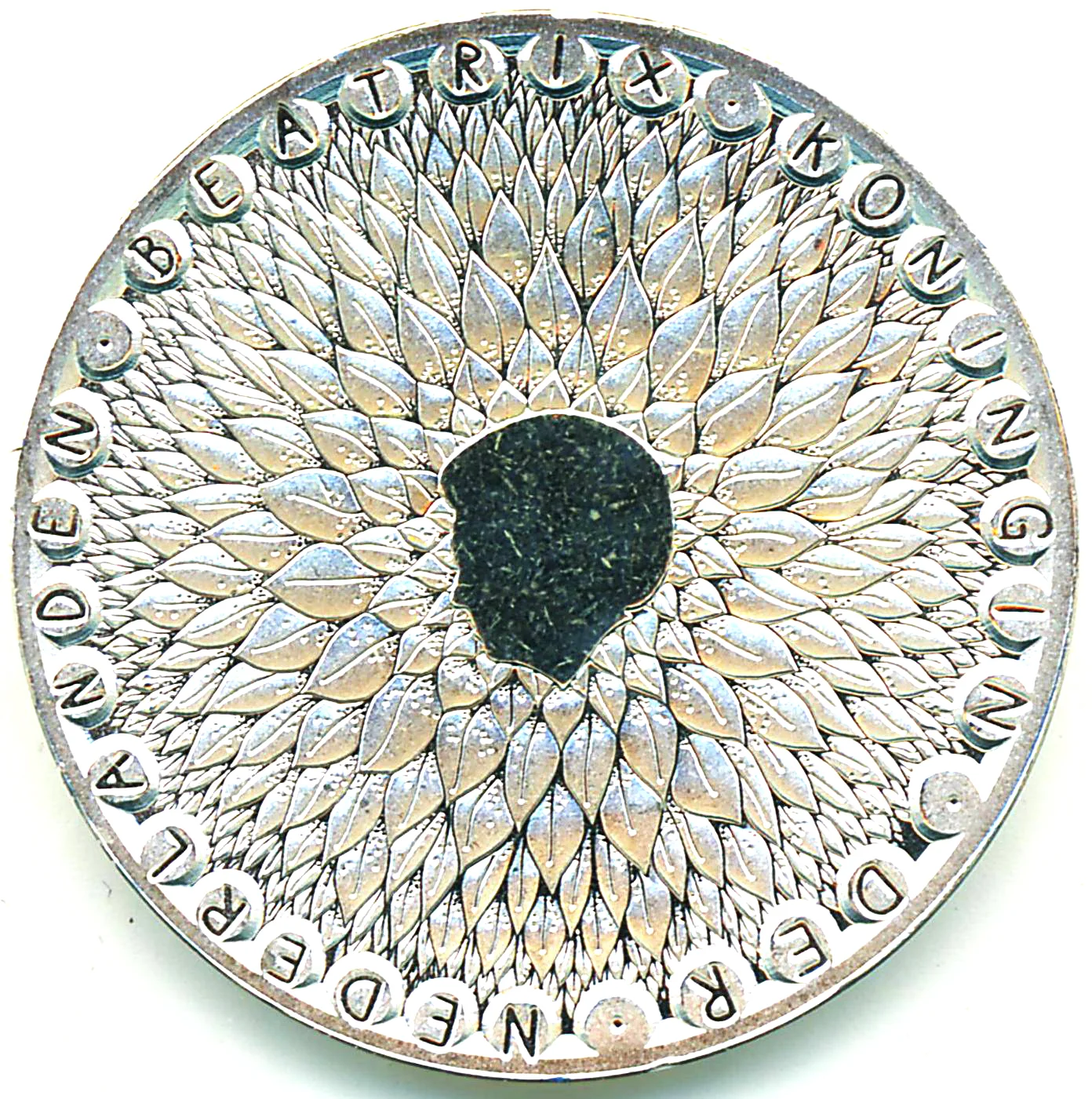
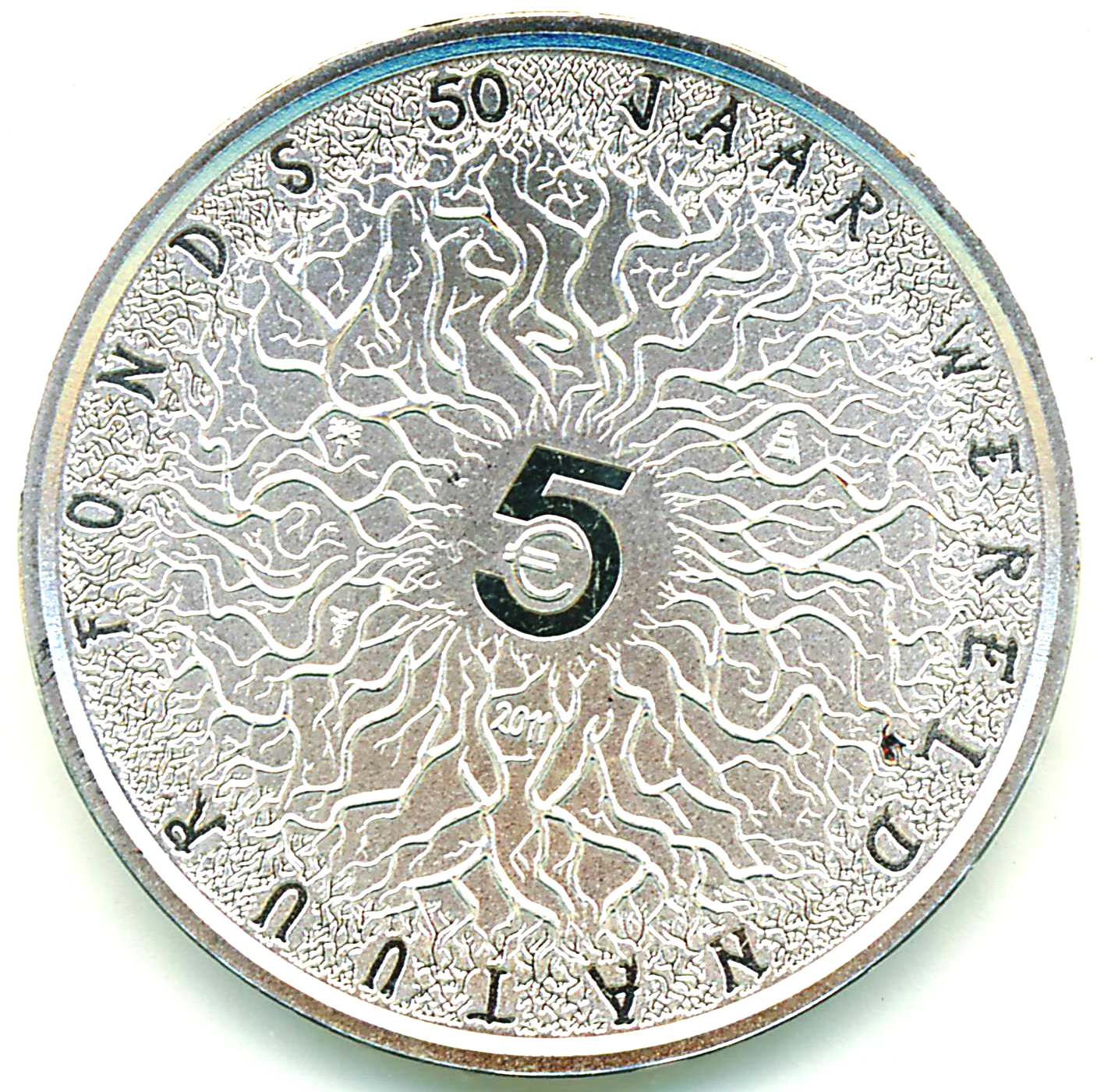
5 euro (WWF) – Netherlands
Add to wishlist
Non-circulating coins
Commemoration: 50 Years of WWF
Netherlands
Context
Material
Diameter: 33 mm
Weight: 15.5 g
Silver Weight:: 14.34 g
Shape: Round
Composition: 92.5% Silver
Standard: Silver half ounce
Magnetic: No
Technique: Milled
Alignment: Medal alignment
flip
References
KM: #
Numista: #31125
Value
Exchange value: 5 EUR
Bullion value: $35.81
Inflation-adjusted value: 7.05 EUR
Obverse
Reverse
Edge
Categories
| Organization> WWF |
Mints
| Name | Mark |
|---|---|
| Royal Dutch Mint | — |
Mintings
| Year | Mint Mark | Mintage | Quality | Collection |
|---|---|---|---|---|
| 2011 | — | 17,500 | Proof |
Historical background
In 2011, the Netherlands was a core member of the Eurozone, having adopted the euro in 1999 (physically in 2002) and relinquished its former currency, the guilder. The country's economic position within the monetary union was generally strong, characterized by a robust export sector, a stable financial system (despite the global crisis), and a reputation for fiscal discipline. However, the year was dominated not by domestic currency policy—as that was set by the European Central Bank (ECB)—but by the escalating Eurozone sovereign debt crisis, which posed significant external risks to the Dutch economy and tested its commitment to the single currency.
The primary "currency situation" for the Netherlands in 2011 was its role as a creditor nation within the Eurozone, deeply involved in the contentious debates over bailouts for struggling member states like Greece, Ireland, and Portugal. As a fiscally conservative country, the Dutch government, led by Prime Minister Mark Rutte, insisted on strict conditionality for financial assistance, advocating for austerity and structural reforms in recipient countries. This stance was popular domestically but sometimes placed the Netherlands at odds with other EU partners. Domestically, there was growing public and political unease about the costs of preserving the euro, with populist voices like Geert Wilders openly criticizing bailout packages.
Despite this political friction, there was no serious national movement to abandon the euro. The Dutch economy remained closely integrated with its Eurozone trading partners, and the benefits of the single currency for trade and stability were widely acknowledged. The focus was instead on strengthening Eurozone governance. Consequently, the Netherlands actively pushed for stricter EU fiscal rules, which ultimately led to the signing of the European Fiscal Compact in early 2012. Thus, the 2011 currency context was one of a stable domestic monetary environment overshadowed by a fierce political and financial storm at the European level, with the Netherlands striving to shape the crisis response according to its principles of fiscal rigor.
The primary "currency situation" for the Netherlands in 2011 was its role as a creditor nation within the Eurozone, deeply involved in the contentious debates over bailouts for struggling member states like Greece, Ireland, and Portugal. As a fiscally conservative country, the Dutch government, led by Prime Minister Mark Rutte, insisted on strict conditionality for financial assistance, advocating for austerity and structural reforms in recipient countries. This stance was popular domestically but sometimes placed the Netherlands at odds with other EU partners. Domestically, there was growing public and political unease about the costs of preserving the euro, with populist voices like Geert Wilders openly criticizing bailout packages.
Despite this political friction, there was no serious national movement to abandon the euro. The Dutch economy remained closely integrated with its Eurozone trading partners, and the benefits of the single currency for trade and stability were widely acknowledged. The focus was instead on strengthening Eurozone governance. Consequently, the Netherlands actively pushed for stricter EU fiscal rules, which ultimately led to the signing of the European Fiscal Compact in early 2012. Thus, the 2011 currency context was one of a stable domestic monetary environment overshadowed by a fierce political and financial storm at the European level, with the Netherlands striving to shape the crisis response according to its principles of fiscal rigor.

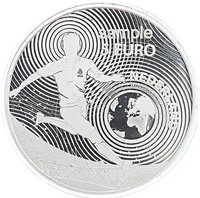
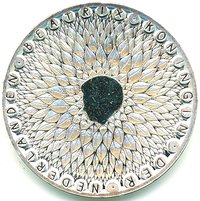
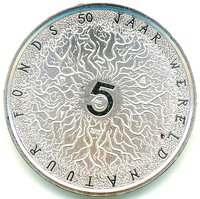
⭐ Rare