

500 colones (Independence) – Costa Rica
Add to wishlist
Circulating commemorative coins
Commemoration: Bicentenary of Independence
Costa Rica
Context
Year: 2021
Issuer: Costa Rica
Issuing organization: Central Bank of Costa Rica
Period:
(since 1948)
Currency:
(since 1896)
Total mintage: 6,005,000
Material
Diameter: 28 mm
Weight: 10.5 g
Thickness: 2.25 mm
Shape: Round
Techniques: Latent image, Milled
Alignment: Coin alignment
flip
References
KM: #
Numista: #305849
Value
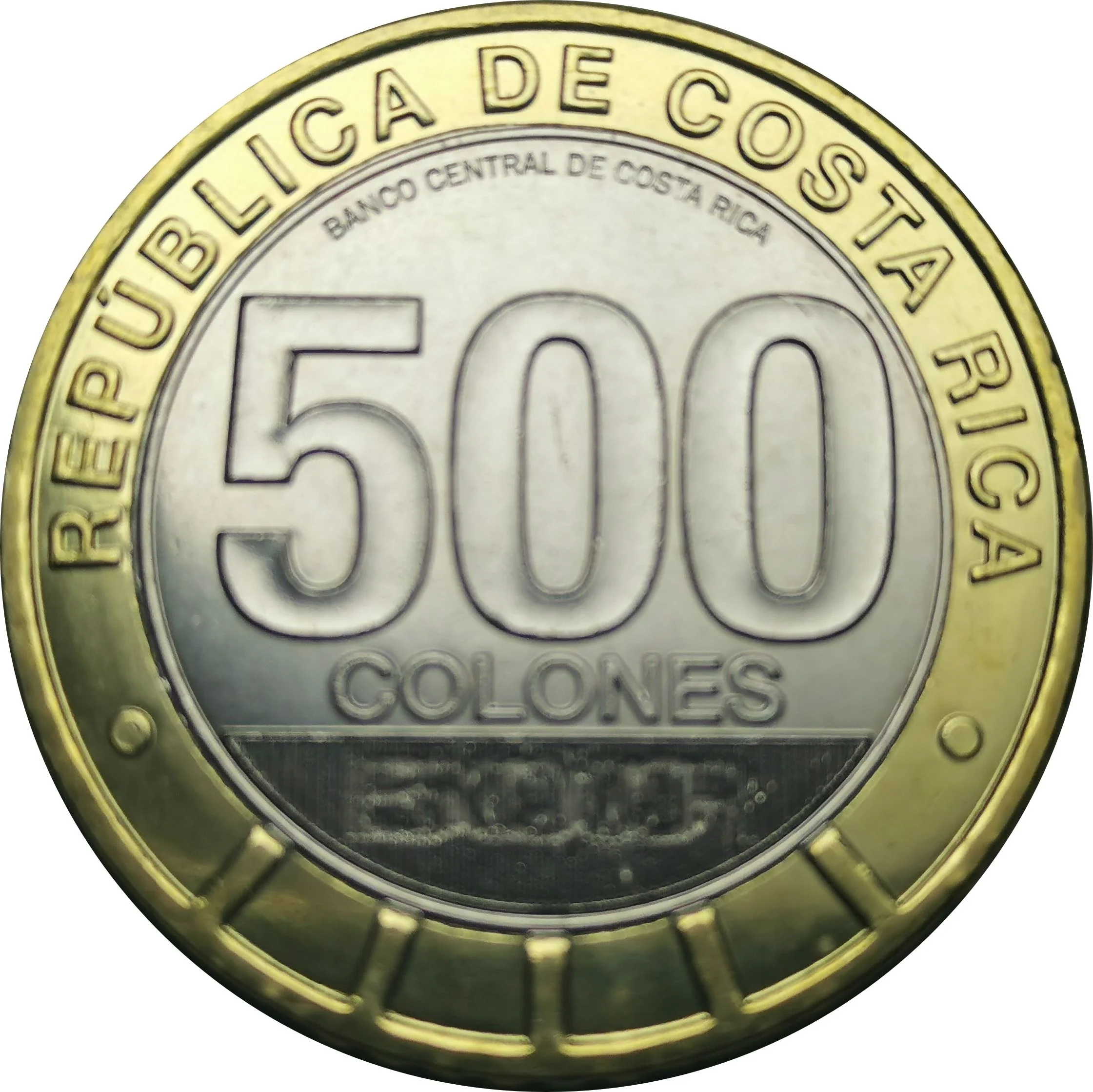
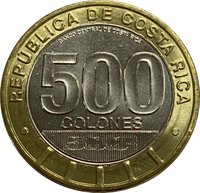
Exchange value: 500 CRC
Obverse
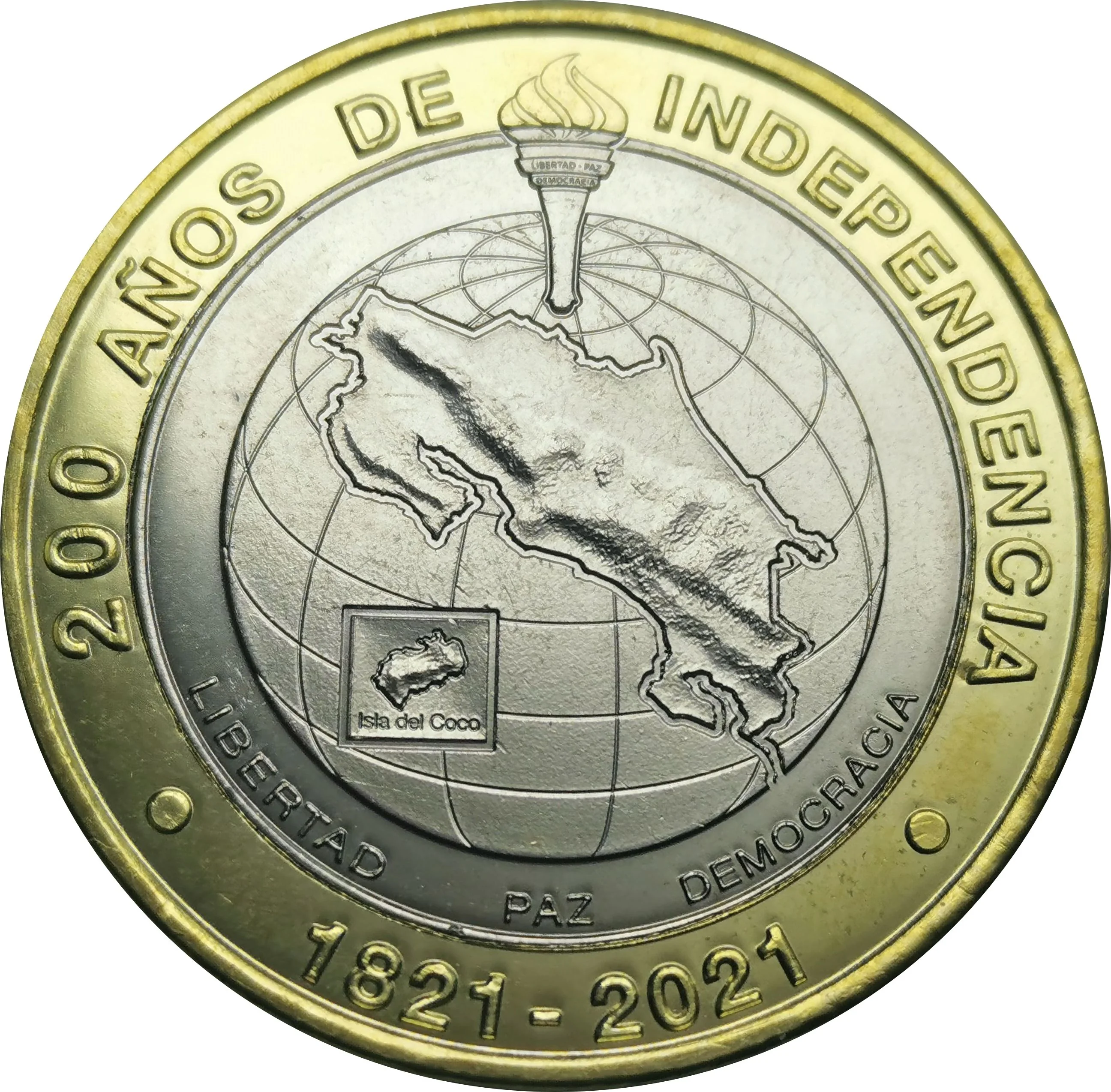
Reverse
Description:
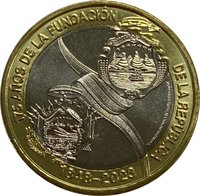
Guiding symbols of discovery and knowledge.
Inscription:
200 AÑOS DE INDEPENDENCIA
LIBERTAD · PAZ
DEMOCRACIA
Isla del Coco
LIBERTAD PAZ DEMOCRACIA
· 1821 - 2021 ·
LIBERTAD · PAZ
DEMOCRACIA
Isla del Coco
LIBERTAD PAZ DEMOCRACIA
· 1821 - 2021 ·
Translation:
200 YEARS OF INDEPENDENCE
LIBERTY · PEACE
DEMOCRACY
Cocos Island
LIBERTY PEACE DEMOCRACY
· 1821 - 2021 ·
LIBERTY · PEACE
DEMOCRACY
Cocos Island
LIBERTY PEACE DEMOCRACY
· 1821 - 2021 ·
Script: Latin
Language: Spanish
Edge
Smooth with five reeded sections
Categories
| Event> Independence |
| Map |
| Symbol> Globe |
Mints
| Name | Mark |
|---|---|
| Monnaie de Paris | — |
Mintings
| Year | Mint Mark | Mintage | Quality | Collection |
|---|---|---|---|---|
| 2021 | — | 6,000,000 | ||
| 2021 | — | 5,000 | Proof |
Historical background
In 2021, Costa Rica's currency situation was characterized by significant volatility and a sustained depreciation of the colón (CRC) against the US dollar. The exchange rate broke through historic psychological barriers, closing the year at approximately ₡635 per dollar, a depreciation of around 8% from the end of 2020. This trend was driven by a combination of persistent structural factors, including a large fiscal deficit and public debt, which were exacerbated by the economic impact of the COVID-19 pandemic. Reduced tourism revenue and weaker export growth contributed to uncertainty and increased demand for dollars, putting consistent downward pressure on the colón.
The Central Bank of Costa Rica (BCCR) maintained a managed float exchange rate regime, allowing market forces to determine the price but intervening to smooth excessive volatility. Throughout the year, the BCCR utilized its monetary policy rate and dollar purchases in the local market to influence liquidity and temper the colón's slide. However, its ability to defend the currency was constrained by the need to preserve international reserves and the overarching economic challenges. High public sector borrowing requirements also meant the government needed to access dollar-denominated debt, further influencing currency dynamics.
This depreciating environment created a complex economic landscape. While it made Costa Rican exports like coffee, medical devices, and electronics more competitive, it also increased the cost of imports, contributing to rising inflation which reached 3.3% by year-end. For many citizens and businesses with income in colones but debts or expenses in dollars, the weakening currency strained finances. Consequently, the currency situation in 2021 underscored the urgent need for fiscal reforms to address the root causes of macroeconomic instability, a debate that dominated the national political agenda leading into the 2022 presidential election.
The Central Bank of Costa Rica (BCCR) maintained a managed float exchange rate regime, allowing market forces to determine the price but intervening to smooth excessive volatility. Throughout the year, the BCCR utilized its monetary policy rate and dollar purchases in the local market to influence liquidity and temper the colón's slide. However, its ability to defend the currency was constrained by the need to preserve international reserves and the overarching economic challenges. High public sector borrowing requirements also meant the government needed to access dollar-denominated debt, further influencing currency dynamics.
This depreciating environment created a complex economic landscape. While it made Costa Rican exports like coffee, medical devices, and electronics more competitive, it also increased the cost of imports, contributing to rising inflation which reached 3.3% by year-end. For many citizens and businesses with income in colones but debts or expenses in dollars, the weakening currency strained finances. Consequently, the currency situation in 2021 underscored the urgent need for fiscal reforms to address the root causes of macroeconomic instability, a debate that dominated the national political agenda leading into the 2022 presidential election.
🌱 Common