

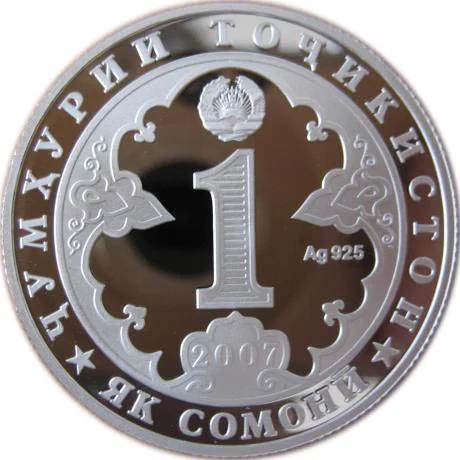
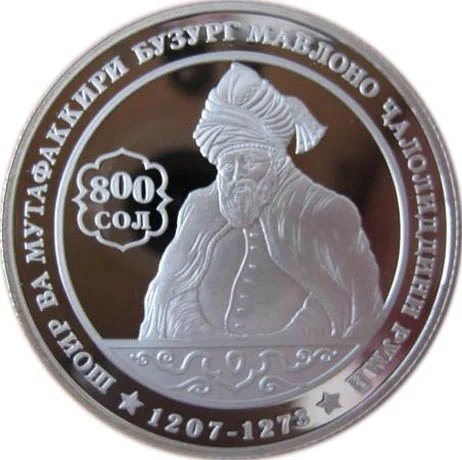
1 somoni (Jaloliddini Rumi) – Tajikistan
Add to wishlist
Non-circulating coins
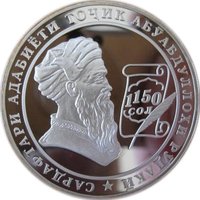
Commemoration: 800th Anniversary Birth of Jaloliddini Rumi
Tajikistan
Context
Material
References
KM: #
Numista: #30417
Value
Exchange value: 1 TJS
Bullion value: $45.25
Obverse
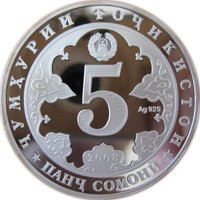
Reverse
Edge
Mintings
| Year | Mint Mark | Mintage | Quality | Collection |
|---|---|---|---|---|
| 2007 | — | 1,000 | Proof |
Historical background
In 2007, Tajikistan’s currency, the somoni, faced significant pressure and underwent a notable devaluation, a symptom of deeper economic vulnerabilities. The year was marked by a growing imbalance between the national currency and the US dollar, driven largely by a substantial trade deficit and heavy reliance on imports, particularly for food and energy. A critical factor was the drastic increase in global prices for key imports like wheat and fuel, which surged following a severe winter and regional energy shortages. This forced the National Bank of Tajikistan (NBT) to expend foreign exchange reserves in a largely unsuccessful attempt to defend the somoni's official peg, leading to a widening gap between the official and thriving black-market exchange rates.
The situation was exacerbated by the country's dependence on remittances, predominantly from migrant workers in Russia, which constituted a vital source of hard currency. While remittance flows were substantial, they were often transferred through informal channels (hawala systems), bypassing the official banking sector and thus not fully bolstering the NBT's reserves. Furthermore, loose monetary policy and directed lending to state-owned enterprises contributed to inflationary pressures, further eroding the somoni's value. By the end of the year, the somoni had depreciated by approximately 20% against the US dollar, squeezing household incomes and increasing the cost of living in one of Central Asia’s poorest nations.
The 2007 currency crisis underscored Tajikistan's fragile economic structure. In response, the government entered negotiations with international financial institutions like the IMF, which advocated for greater exchange rate flexibility and tighter fiscal discipline. The events of the year highlighted the urgent need for economic diversification, improved remittance channeling, and agricultural investment to reduce import dependency, setting the stage for subsequent, though gradual, reforms in the country's monetary and fiscal policies.
The situation was exacerbated by the country's dependence on remittances, predominantly from migrant workers in Russia, which constituted a vital source of hard currency. While remittance flows were substantial, they were often transferred through informal channels (hawala systems), bypassing the official banking sector and thus not fully bolstering the NBT's reserves. Furthermore, loose monetary policy and directed lending to state-owned enterprises contributed to inflationary pressures, further eroding the somoni's value. By the end of the year, the somoni had depreciated by approximately 20% against the US dollar, squeezing household incomes and increasing the cost of living in one of Central Asia’s poorest nations.
The 2007 currency crisis underscored Tajikistan's fragile economic structure. In response, the government entered negotiations with international financial institutions like the IMF, which advocated for greater exchange rate flexibility and tighter fiscal discipline. The events of the year highlighted the urgent need for economic diversification, improved remittance channeling, and agricultural investment to reduce import dependency, setting the stage for subsequent, though gradual, reforms in the country's monetary and fiscal policies.

✨ Legendary