

1 Mithqual – Sinkiang Province
China
Context

Material
Diameter: 23 mm
Weight: 3.48 g
Silver weight: 3.48 g
Shape: Round with a square hole
Composition: Silver
Magnetic: No
Alignment: Medal alignment
flip
References
Numista: #296714
Value
Bullion value: $10.06
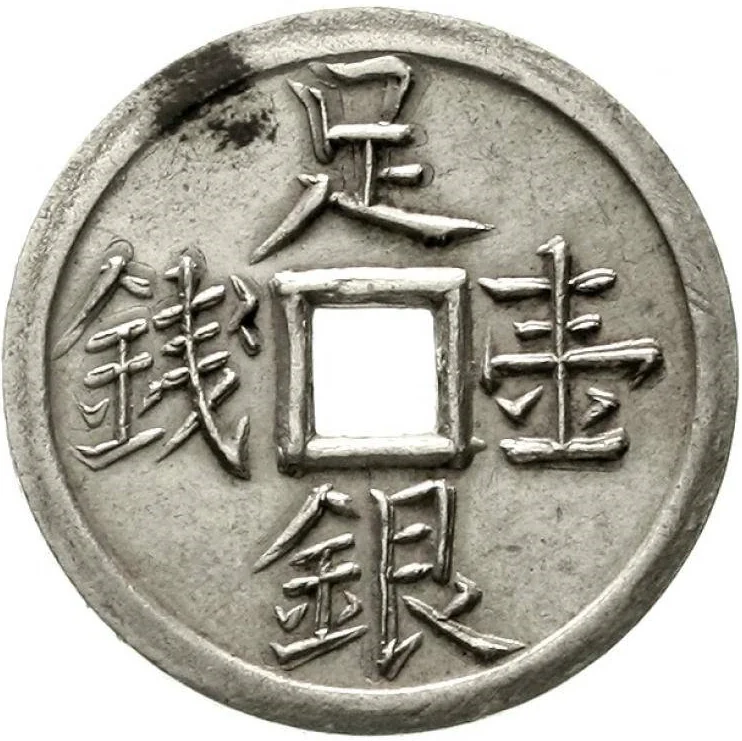
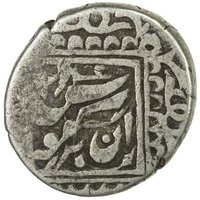
Obverse
Description:
Four Chinese characters read vertically, right to left.
Inscription:
足
錢 壹
銀
錢 壹
銀
Translation:
Silver One Coin Tael
Language: Classical Chinese
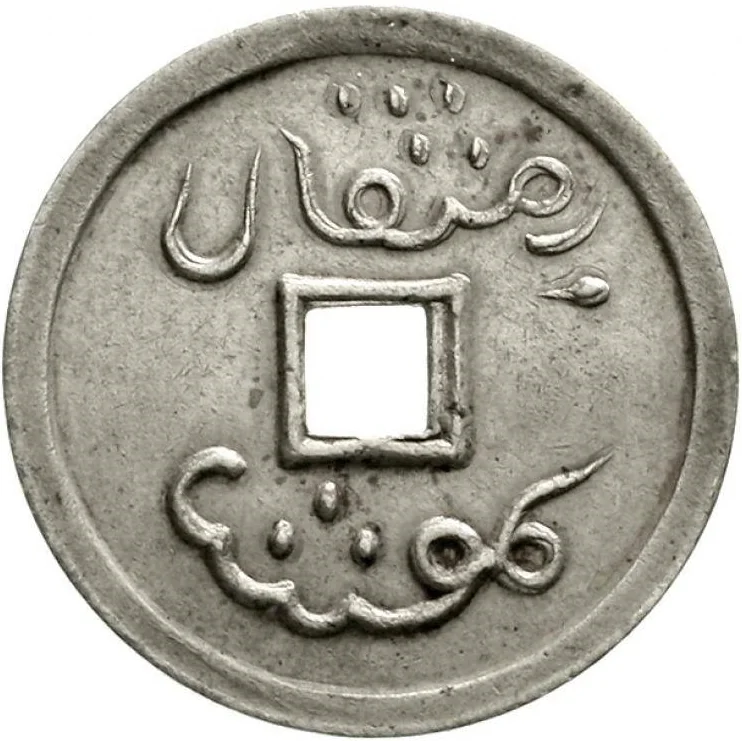
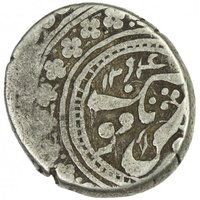
Reverse
Description:
Arabic legend above and below.
Inscription:
ی مثقال
طوش
طوش
Translation:
One Mithqal
Tous
Tous
Language: Arabic
Edge
Plain
Mintings
| Year | Mint Mark | Mintage | Quality | Collection |
|---|---|---|---|---|
| 1876 | — | — |
Historical background
In 1876, the currency situation in Sinkiang (Xinjiang) was chaotic and reflected the region's turbulent political state, caught between the collapsing Yaqub Beg's Khoqand-based regime and the advancing Qing reconquest forces. Following the Dungan Revolt, Yaqub Beg had established independent rule and issued his own currency, including gold tillas and silver tangas, often stamped over existing Qing and foreign coins. However, his coinage was irregular, debased, and circulated alongside a vast array of older Qing pul copper coins, Kashmiri and Bukharan coins, and even Russian rubles and Indian rupees from trade routes, leading to a complex and unreliable monetary environment.
The Qing military campaign, led by Zuo Zongtang, was actively restoring imperial control during this year, bringing with it the urgent need to reimpose a standardized monetary system as a symbol of sovereignty and to facilitate supply logistics. The Qing authorities began to suppress Yaqub Beg's currency and reintroduce their own cash coins (copper wen) from mobile mints that followed the army. Yet, the primary medium for large transactions remained unminted silver, measured in taels (liang), which was weighed and assessed for purity in every transaction, a cumbersome process that hindered commerce.
Thus, the currency landscape of 1876 was one of transition and disorder. The co-circulation of multiple, competing coinages from different political authorities created confusion, fostered distrust in markets, and impeded economic recovery. The success of the Qing reconquest hinged not only on military victory but also on swiftly replacing this fractured system with a unified Qing currency to stabilize the region—a process that would continue for several years after Yaqub Beg's death in 1877.
The Qing military campaign, led by Zuo Zongtang, was actively restoring imperial control during this year, bringing with it the urgent need to reimpose a standardized monetary system as a symbol of sovereignty and to facilitate supply logistics. The Qing authorities began to suppress Yaqub Beg's currency and reintroduce their own cash coins (copper wen) from mobile mints that followed the army. Yet, the primary medium for large transactions remained unminted silver, measured in taels (liang), which was weighed and assessed for purity in every transaction, a cumbersome process that hindered commerce.
Thus, the currency landscape of 1876 was one of transition and disorder. The co-circulation of multiple, competing coinages from different political authorities created confusion, fostered distrust in markets, and impeded economic recovery. The success of the Qing reconquest hinged not only on military victory but also on swiftly replacing this fractured system with a unified Qing currency to stabilize the region—a process that would continue for several years after Yaqub Beg's death in 1877.

✨ Legendary