

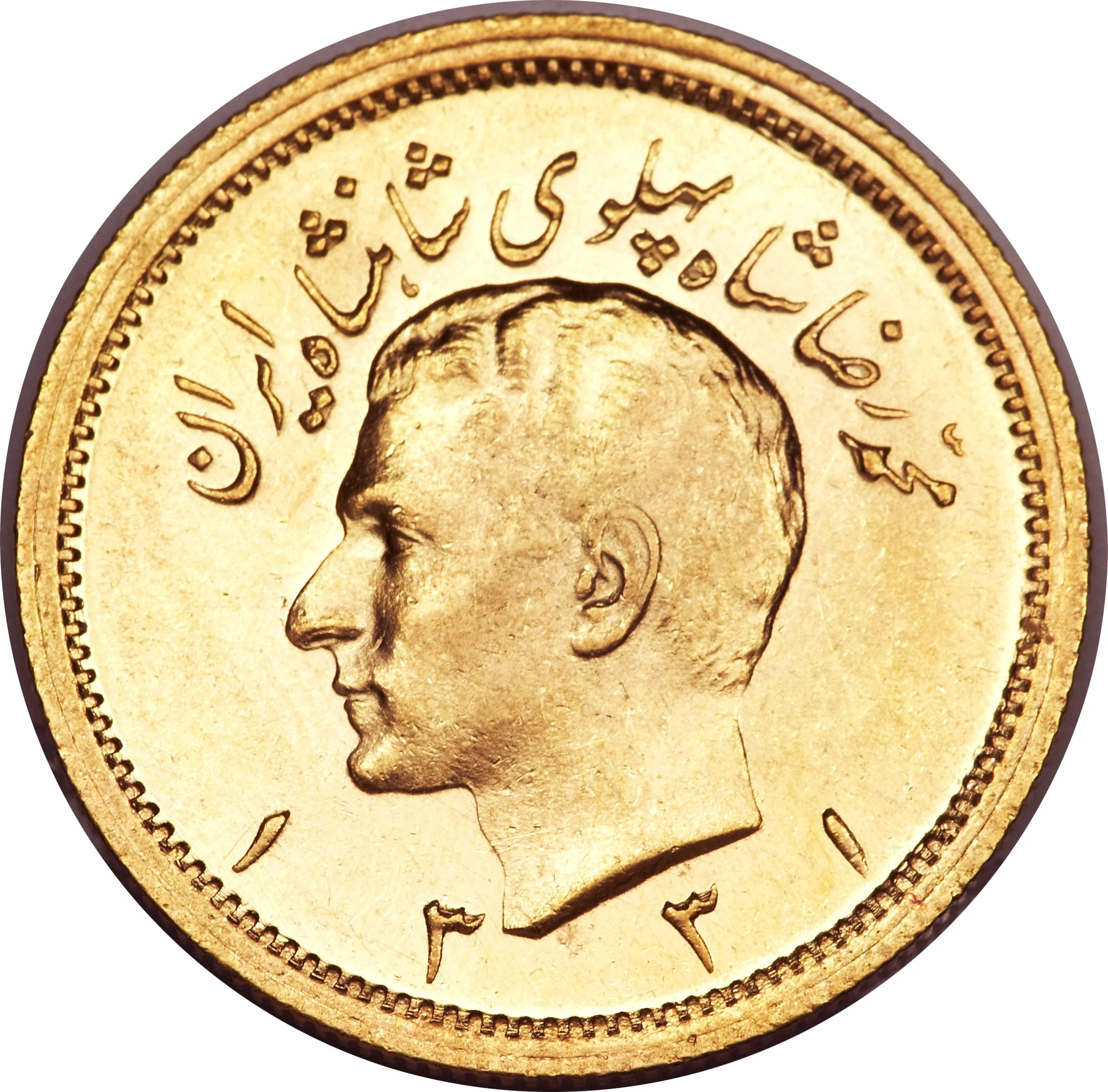
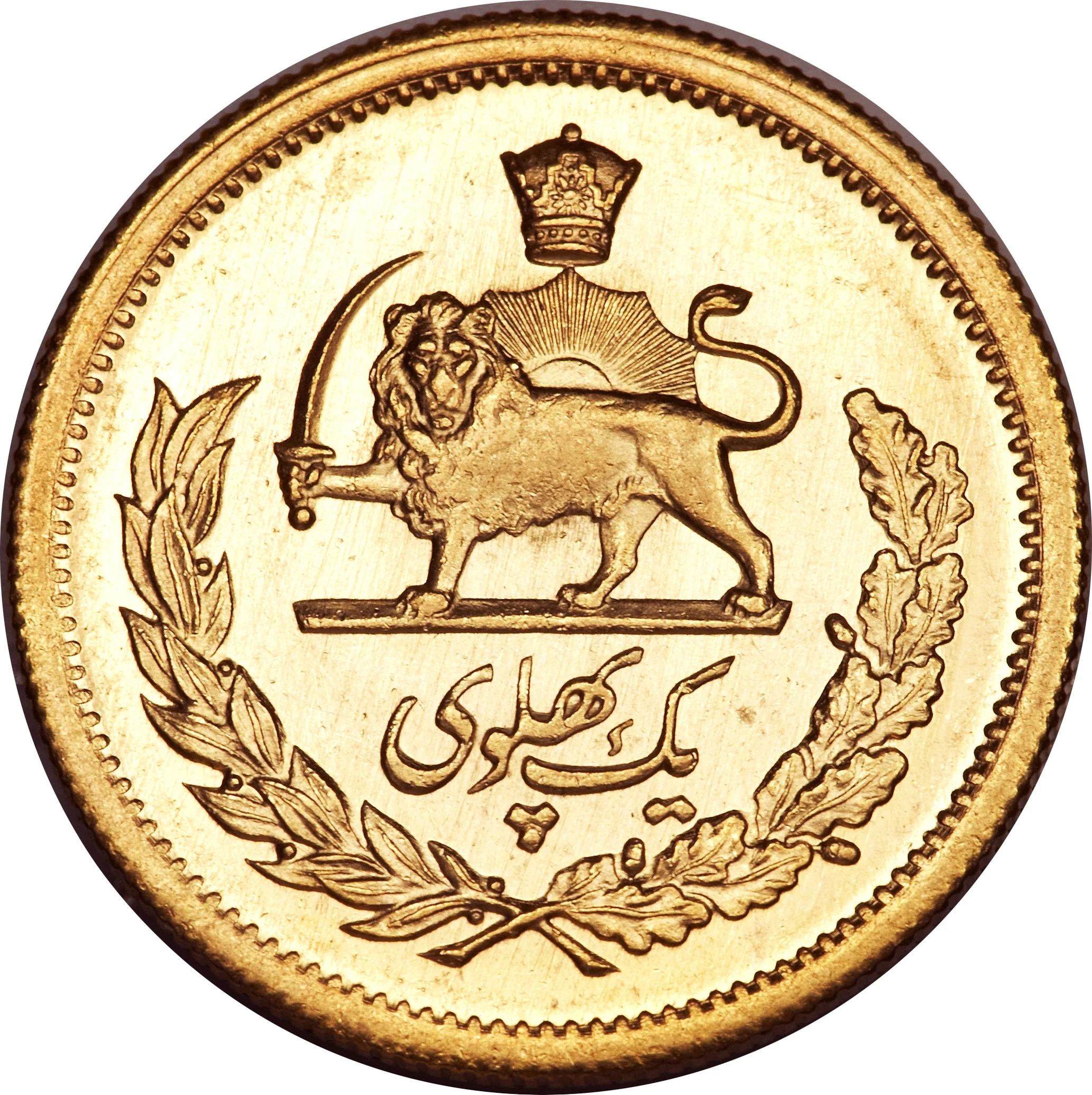
1 pahlavī – Iran
Add to wishlist
Iran
Context
Years: 1951–1974
Issuer: Iran
Ruler: Mohammad Reza
Currency:
Demonetized: Yes
Total mintage: 3,999,000
Material
References
KM: #
Numista: #29163
Value
Bullion value: $1123.93
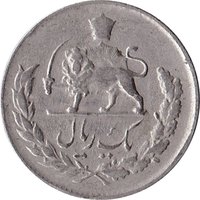
Obverse
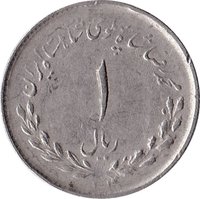
Reverse
Edge
Categories
| Symbols> Coat of Arms |
| Symbol> Wreath |
Mints
| Name | Mark |
|---|---|
| Tehran | — |
Mintings
| Year | Mint Mark | Mintage | Quality | Collection |
|---|---|---|---|---|
| 1951 | — | — | ||
| 1952 | — | — | ||
| 1953 | — | — | ||
| 1954 | — | — | ||
| 1955 | — | — | ||
| 1956 | — | — | ||
| 1957 | — | 453,000 | ||
| 1958 | — | 665,000 | ||
| 1959 | — | 776,000 | ||
| 1960 | — | 847,000 | ||
| 1961 | — | 528,000 | ||
| 1963 | — | 20,000 | ||
| 1965 | — | — | ||
| 1966 | — | 20,000 | ||
| 1967 | — | 30,000 | ||
| 1968 | — | 40,000 | ||
| 1969 | — | 70,000 | ||
| 1970 | — | 70,000 | ||
| 1971 | — | 60,000 | ||
| 1972 | — | 100,000 | ||
| 1973 | — | 320,000 | ||
| 1974 | — | — |
Historical background
In 1951, Iran's currency situation was intrinsically tied to the political and economic crisis surrounding the nationalization of the Anglo-Iranian Oil Company (AIOC). The Iranian rial was under significant pressure due to the British-led international boycott and the cessation of oil exports, which had previously provided the vast majority of the government's foreign exchange revenue. This sudden loss of hard currency crippled the state's finances, leading to budget deficits, a depletion of foreign reserves, and growing difficulties in financing essential imports, which threatened economic stability.
The government of Prime Minister Mohammad Mosaddegh, while immensely popular for its nationalist stance, faced immense challenges in managing the monetary system. To cover the budget shortfall and fund state operations without oil income, the National Bank of Iran (Bank Melli) began printing money, a move that initiated inflationary pressures. While hyperinflation was not yet fully realized in 1951, the precursors were evident: a shrinking economic base, rising public expenditure, and a decline in confidence that set the stage for future devaluation and price increases.
Ultimately, the currency's fate in 1951 was less about isolated monetary policy and more a direct reflection of the high-stakes geopolitical struggle over oil. The rial's stability was hostage to the success or failure of nationalization. The British blockade effectively weaponized finance, demonstrating how external economic isolation could destabilize a national currency long before internal fiscal mismanagement became the primary cause. Thus, the year marked a pivotal transition from a currency backed by a steady flow of petrodollars to one reliant on the uncertain outcome of a political confrontation.
The government of Prime Minister Mohammad Mosaddegh, while immensely popular for its nationalist stance, faced immense challenges in managing the monetary system. To cover the budget shortfall and fund state operations without oil income, the National Bank of Iran (Bank Melli) began printing money, a move that initiated inflationary pressures. While hyperinflation was not yet fully realized in 1951, the precursors were evident: a shrinking economic base, rising public expenditure, and a decline in confidence that set the stage for future devaluation and price increases.
Ultimately, the currency's fate in 1951 was less about isolated monetary policy and more a direct reflection of the high-stakes geopolitical struggle over oil. The rial's stability was hostage to the success or failure of nationalization. The British blockade effectively weaponized finance, demonstrating how external economic isolation could destabilize a national currency long before internal fiscal mismanagement became the primary cause. Thus, the year marked a pivotal transition from a currency backed by a steady flow of petrodollars to one reliant on the uncertain outcome of a political confrontation.
⭐ Somewhat Rare