

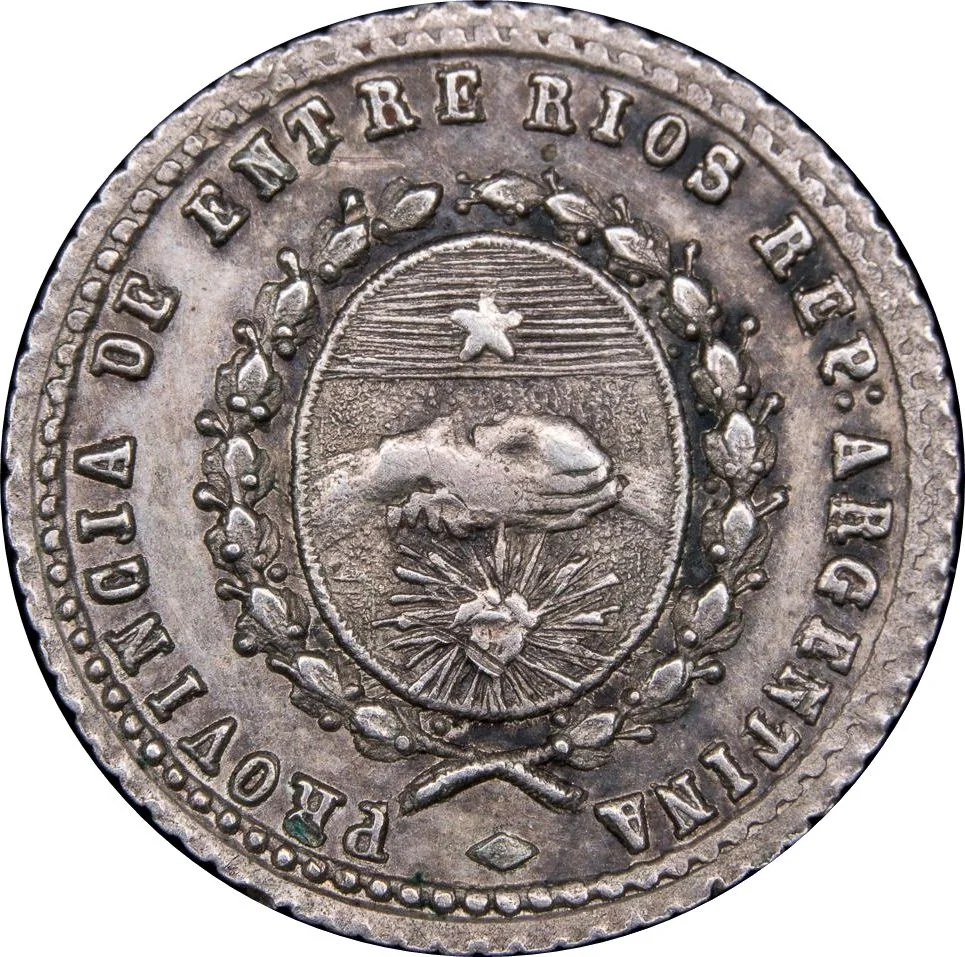
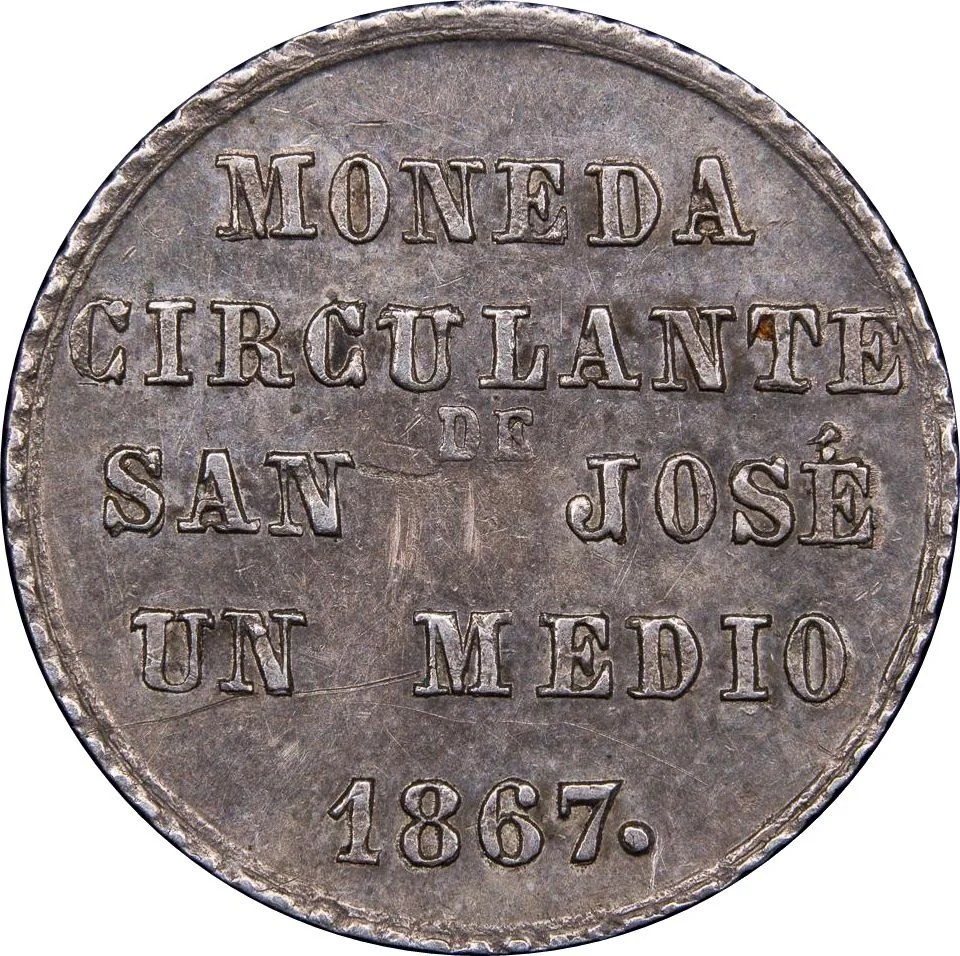
½ Real – Entre Ríos
Argentina
Context
Year: 1867
Country: Argentina 
Issuer: Entre Ríos
Period:
(since 1853)
Currency:
(since 1867)
Demonetized: Yes
Material
References
KM: #Click to copy to clipboard1
Numista: #28980
Value
Bullion value: $3.19
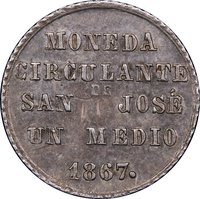
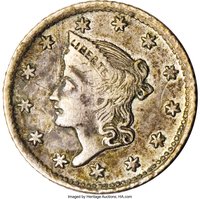
Obverse
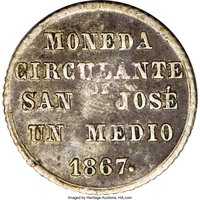
Reverse
Edge
Reeded
Mintings
| Year | Mint Mark | Mintage | Quality | Collection |
|---|---|---|---|---|
| 1867 | — | — |
Historical background
In 1867, the currency situation in Entre Ríos was emblematic of the broader monetary chaos that plagued the Argentine Confederation during the War of the Triple Alliance (1864-1870). The province, under the leadership of Governor Justo José de Urquiza, operated with a high degree of fiscal autonomy. To finance its obligations and the costs of the war, the provincial government heavily relied on the issuance of its own paper money, known as billetes de Entre Ríos. This fiat currency was not backed by gold or silver reserves but by the promise of future provincial tax revenues, leading to widespread depreciation and a severe lack of public confidence.
The circulation was a complex and unstable mixture. Alongside the provincial paper, various currencies competed: the pesos fuertes (hard silver coins) were hoarded and scarce, while notes from the Banco de la Provincia de Buenos Aires and even currencies from neighboring countries circulated at fluctuating discount rates. The Entre Ríos notes themselves traded at a steep and variable discount against metallic money, creating a dual-price system where goods had one price in gold and a much higher one in provincial paper. This environment fostered speculation, hindered commerce, and eroded the real value of salaries and government income.
Urquiza’s administration attempted to manage the crisis through decrees that aimed to enforce the acceptance of provincial paper and regulate its value. However, these measures were largely ineffective against market forces and the fundamental lack of specie. The situation created significant social tension, particularly as the currency's devaluation amounted to a hidden tax on the population. The monetary disorder of 1867 thus reflected not only the fiscal strains of a costly war but also the enduring challenges of achieving economic integration and stability in a nation still struggling to define its central financial authority.
The circulation was a complex and unstable mixture. Alongside the provincial paper, various currencies competed: the pesos fuertes (hard silver coins) were hoarded and scarce, while notes from the Banco de la Provincia de Buenos Aires and even currencies from neighboring countries circulated at fluctuating discount rates. The Entre Ríos notes themselves traded at a steep and variable discount against metallic money, creating a dual-price system where goods had one price in gold and a much higher one in provincial paper. This environment fostered speculation, hindered commerce, and eroded the real value of salaries and government income.
Urquiza’s administration attempted to manage the crisis through decrees that aimed to enforce the acceptance of provincial paper and regulate its value. However, these measures were largely ineffective against market forces and the fundamental lack of specie. The situation created significant social tension, particularly as the currency's devaluation amounted to a hidden tax on the population. The monetary disorder of 1867 thus reflected not only the fiscal strains of a costly war but also the enduring challenges of achieving economic integration and stability in a nation still struggling to define its central financial authority.
💎 Extremely Rare