

200 mon – Tosa Domain
Add to wishlist
Japan
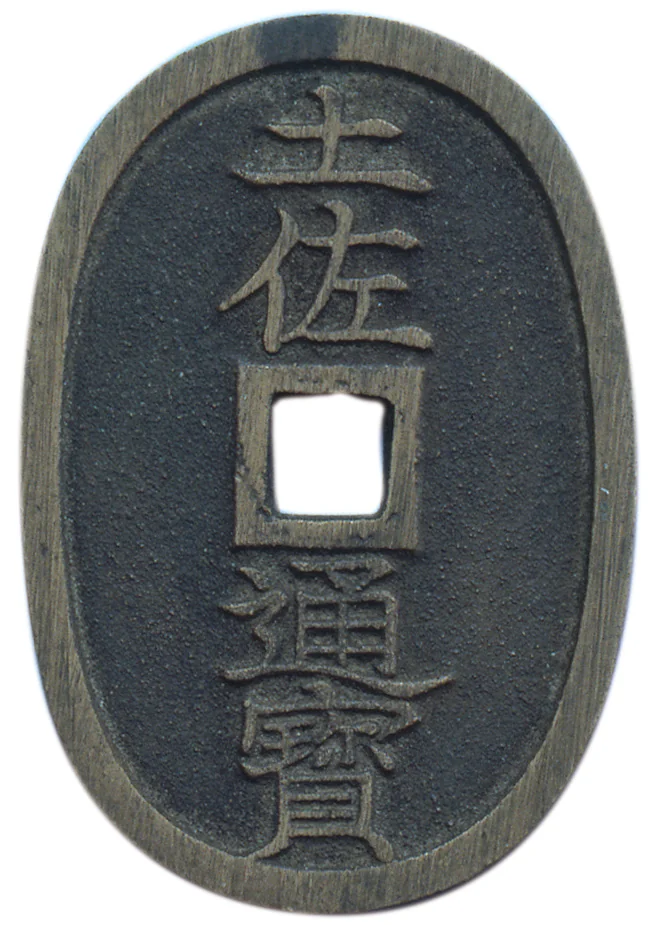
Obverse
Description:
Vertical text
Inscription:
土
佐
通
寳
佐
通
寳
Translation:
Tsucho Currency Treasure
Language: Classical Chinese
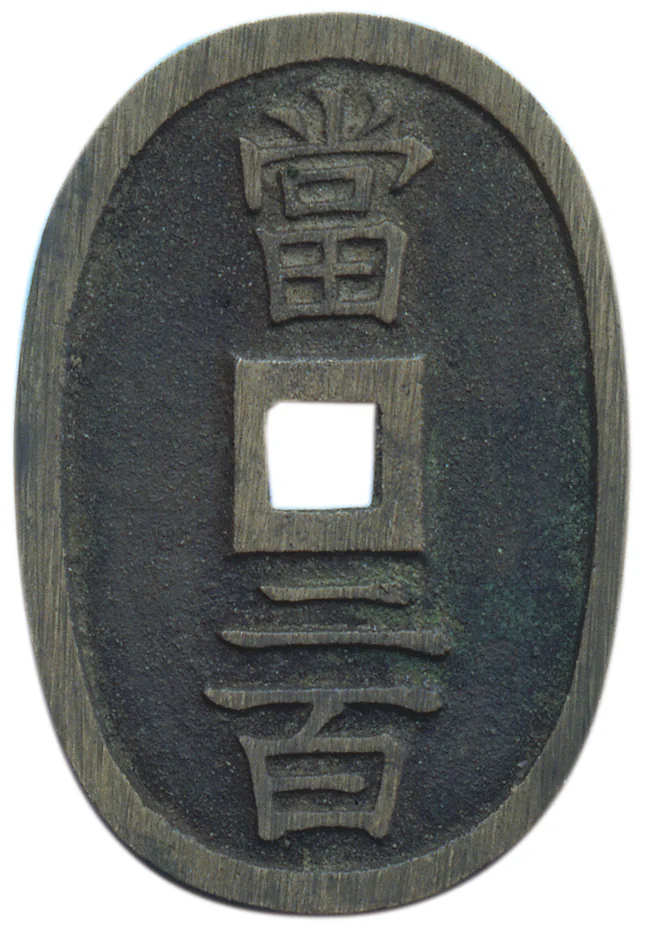
Reverse
Edge
Mintings
| Year | Mint Mark | Mintage | Quality | Collection |
|---|---|---|---|---|
| 1863 | — | — |
Historical background
In 1863, the Tosa Domain, like many other feudal domains in late Tokugawa Japan, faced significant currency instability rooted in the complex monetary system of the era. The national economy operated on a tri-metallic system of gold, silver, and copper coins, but domains also issued their own paper scrip, known as hansatsu, to facilitate local trade and address cash shortages. Tosa's scrip, however, was not freely convertible outside its borders, creating friction in regional commerce. Furthermore, the shogunate's own debasement of currency to cover its fiscal deficits was causing nationwide inflation, which directly impacted Tosa's economy by increasing the cost of essential goods and straining domain finances.
Internally, Tosa's financial situation was precarious due to the immense costs of modernizing its military and administration in response to foreign pressure and domestic unrest. The domain leadership under the reformist Yamauchi Yōdō and his officials was investing heavily in Western-style arms, shipbuilding, and the support of samurai activities, all of which required vast sums of silver and gold. To meet these obligations, the domain was compelled to increase the issuance of hansatsu, risking devaluation. This created a tense economic environment where the domain's paper money's credibility was constantly tested against hard currency, particularly in transactions with Osaka merchants who supplied critical goods.
This currency instability had direct political and social consequences. Inflation eroded the fixed stipends of the samurai class, breeding discontent within Tosa's own ranks. It also increased the tax burden on the peasantry, as the domain sought to extract more revenue in kind. Economically, the weakness of Tosa's scrip hampered its ability to trade effectively with other domains and purchase foreign technology. Therefore, in 1863, the currency situation was not merely a financial issue but a critical vulnerability that threatened the domain's political cohesion, its ambitious reform programs, and its capacity to act as a rising power in the unfolding national crisis.
Internally, Tosa's financial situation was precarious due to the immense costs of modernizing its military and administration in response to foreign pressure and domestic unrest. The domain leadership under the reformist Yamauchi Yōdō and his officials was investing heavily in Western-style arms, shipbuilding, and the support of samurai activities, all of which required vast sums of silver and gold. To meet these obligations, the domain was compelled to increase the issuance of hansatsu, risking devaluation. This created a tense economic environment where the domain's paper money's credibility was constantly tested against hard currency, particularly in transactions with Osaka merchants who supplied critical goods.
This currency instability had direct political and social consequences. Inflation eroded the fixed stipends of the samurai class, breeding discontent within Tosa's own ranks. It also increased the tax burden on the peasantry, as the domain sought to extract more revenue in kind. Economically, the weakness of Tosa's scrip hampered its ability to trade effectively with other domains and purchase foreign technology. Therefore, in 1863, the currency situation was not merely a financial issue but a critical vulnerability that threatened the domain's political cohesion, its ambitious reform programs, and its capacity to act as a rising power in the unfolding national crisis.
✨ Legendary