

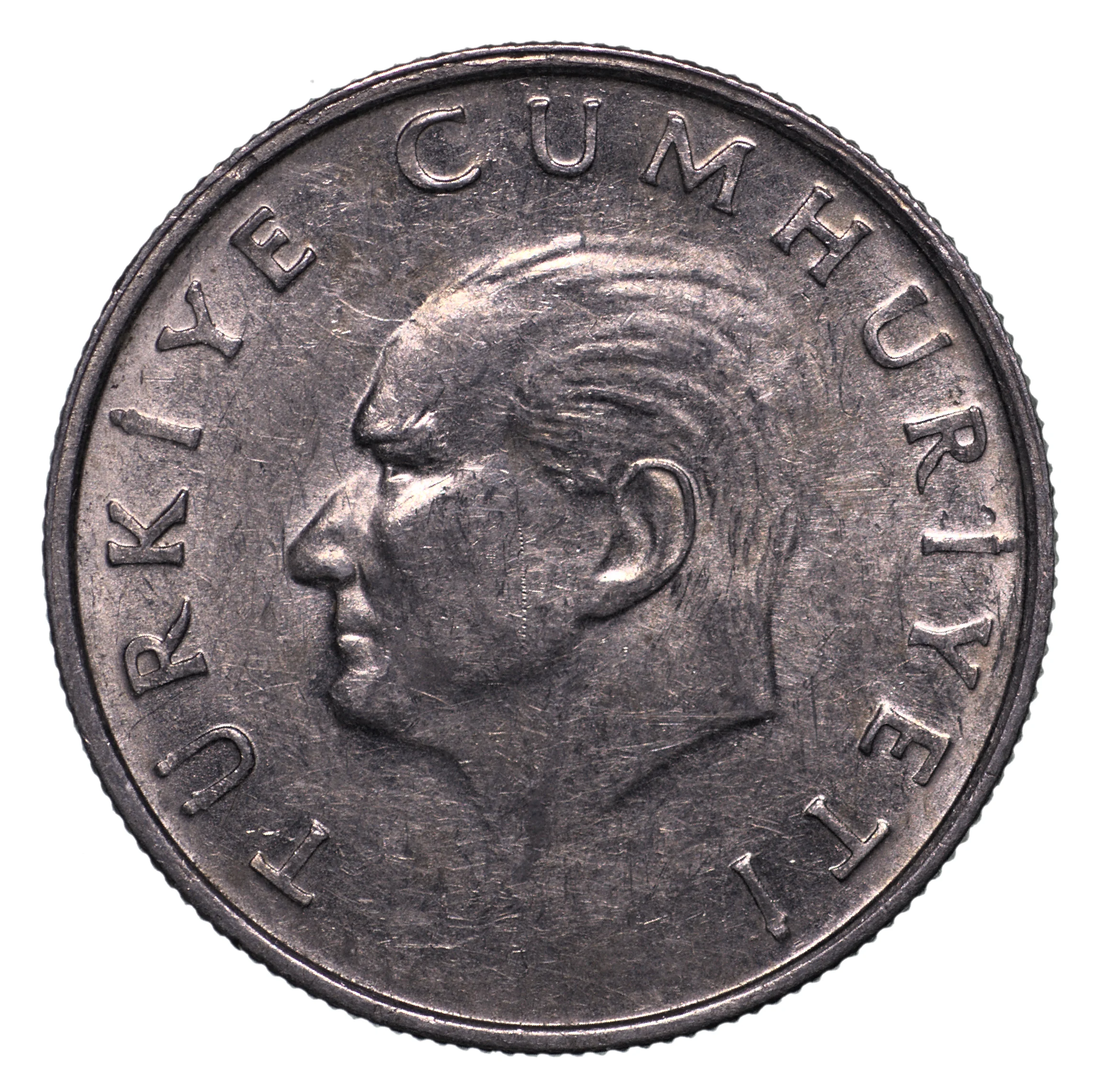
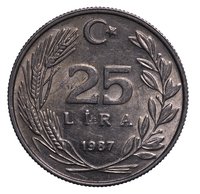
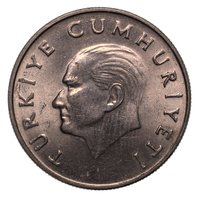
Obverse
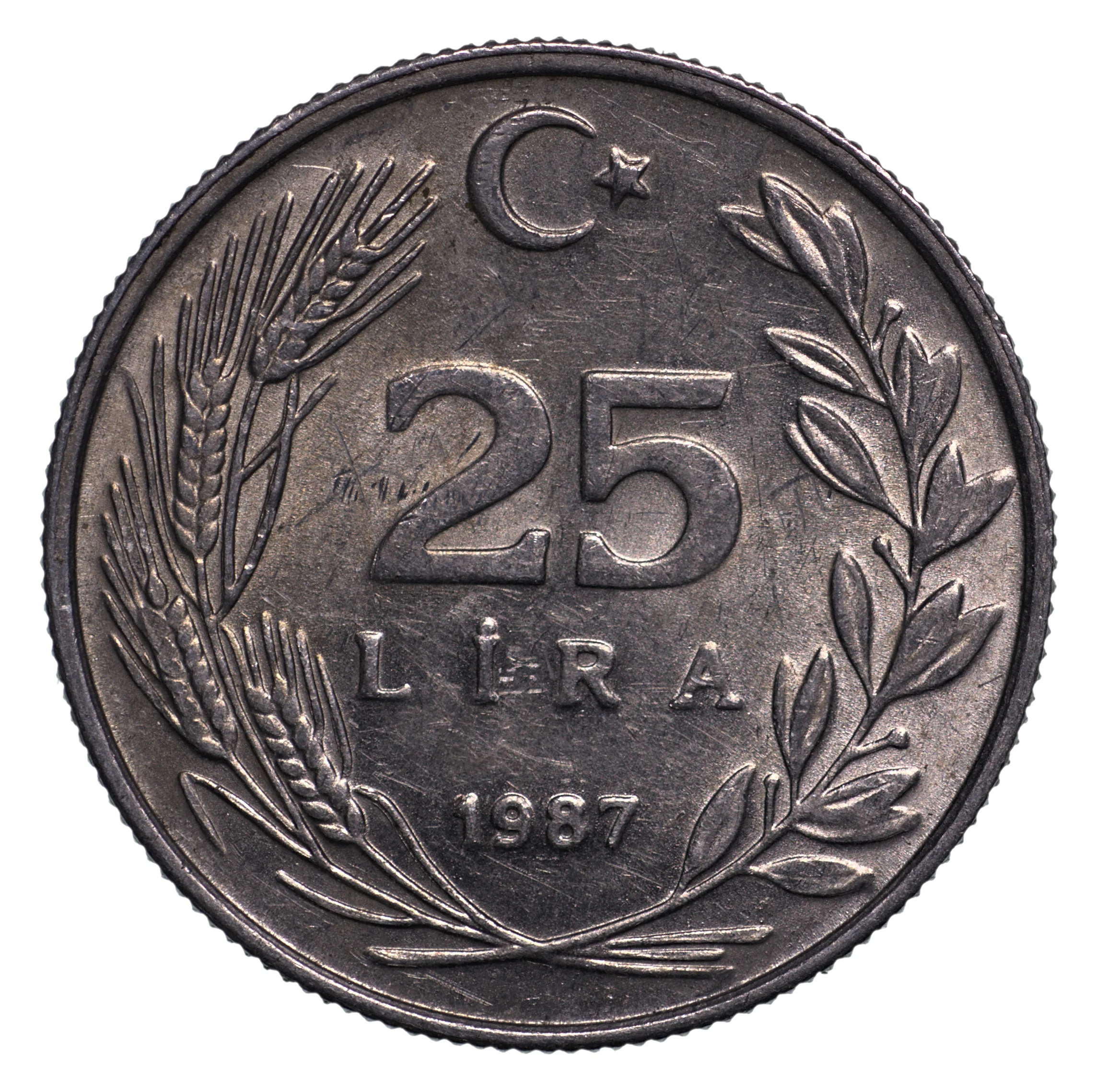
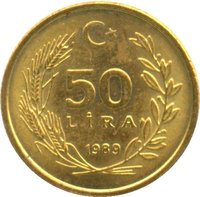
Reverse
Edge
Milled
Mintings
| Year | Mint Mark | Mintage | Quality | Collection |
|---|---|---|---|---|
| 1985 | — | 37,014,000 | ||
| 1986 | — | 49,611,000 | ||
| 1987 | — | 61,335,000 | ||
| 1988 | — | 39,540,000 | ||
| 1989 | — | 10,000 |
Historical background
By 1985, Turkey was in the midst of a profound economic transformation under the leadership of Prime Minister Turgut Özal, who had launched a decisive neoliberal shift in 1980. The preceding years of import-substitution industrialization had led to severe imbalances, chronic inflation, and foreign exchange shortages. Özal's program, supported by the IMF and World Bank, aggressively liberalized trade, encouraged exports, and dismantled capital controls, moving the economy away from heavy state intervention and toward integration with global markets.
The currency situation was defined by the ongoing battle against high inflation, which hovered around 45% in 1985, and the management of the Turkish lira (TL). A key policy was the frequent devaluation of the lira via a crawling peg system, where its value was adjusted daily against a basket of currencies to maintain export competitiveness and gradually close the gap with the black market rate. This period also saw the initial, cautious steps toward financial liberalization, including the introduction of new financial instruments and the encouragement of foreign capital inflows, which began to ease the severe foreign exchange constraints of the past.
Consequently, 1985 represents a transitional year where the acute crises of the late 1970s had been stabilized, but the long-term consequences of liberalization—including persistent inflation, growing external debt, and increasing income inequality—were becoming embedded. The currency policies succeeded in boosting exports and attracting some foreign investment, setting the stage for a period of growth, but they also locked the economy into a cycle of devaluation and price instability that would challenge Turkey for decades to come.
The currency situation was defined by the ongoing battle against high inflation, which hovered around 45% in 1985, and the management of the Turkish lira (TL). A key policy was the frequent devaluation of the lira via a crawling peg system, where its value was adjusted daily against a basket of currencies to maintain export competitiveness and gradually close the gap with the black market rate. This period also saw the initial, cautious steps toward financial liberalization, including the introduction of new financial instruments and the encouragement of foreign capital inflows, which began to ease the severe foreign exchange constraints of the past.
Consequently, 1985 represents a transitional year where the acute crises of the late 1970s had been stabilized, but the long-term consequences of liberalization—including persistent inflation, growing external debt, and increasing income inequality—were becoming embedded. The currency policies succeeded in boosting exports and attracting some foreign investment, setting the stage for a period of growth, but they also locked the economy into a cycle of devaluation and price instability that would challenge Turkey for decades to come.
🌱 Very Common