

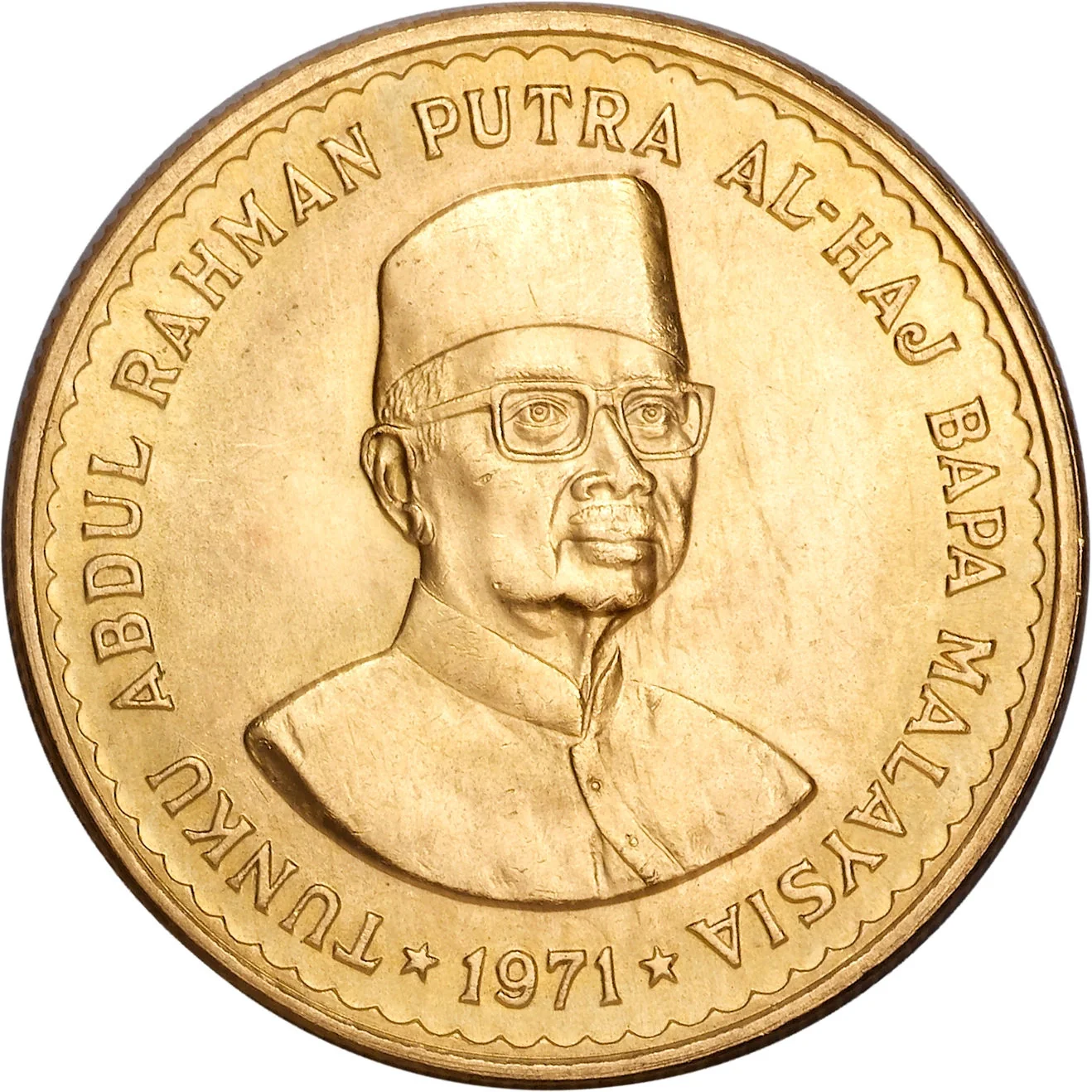
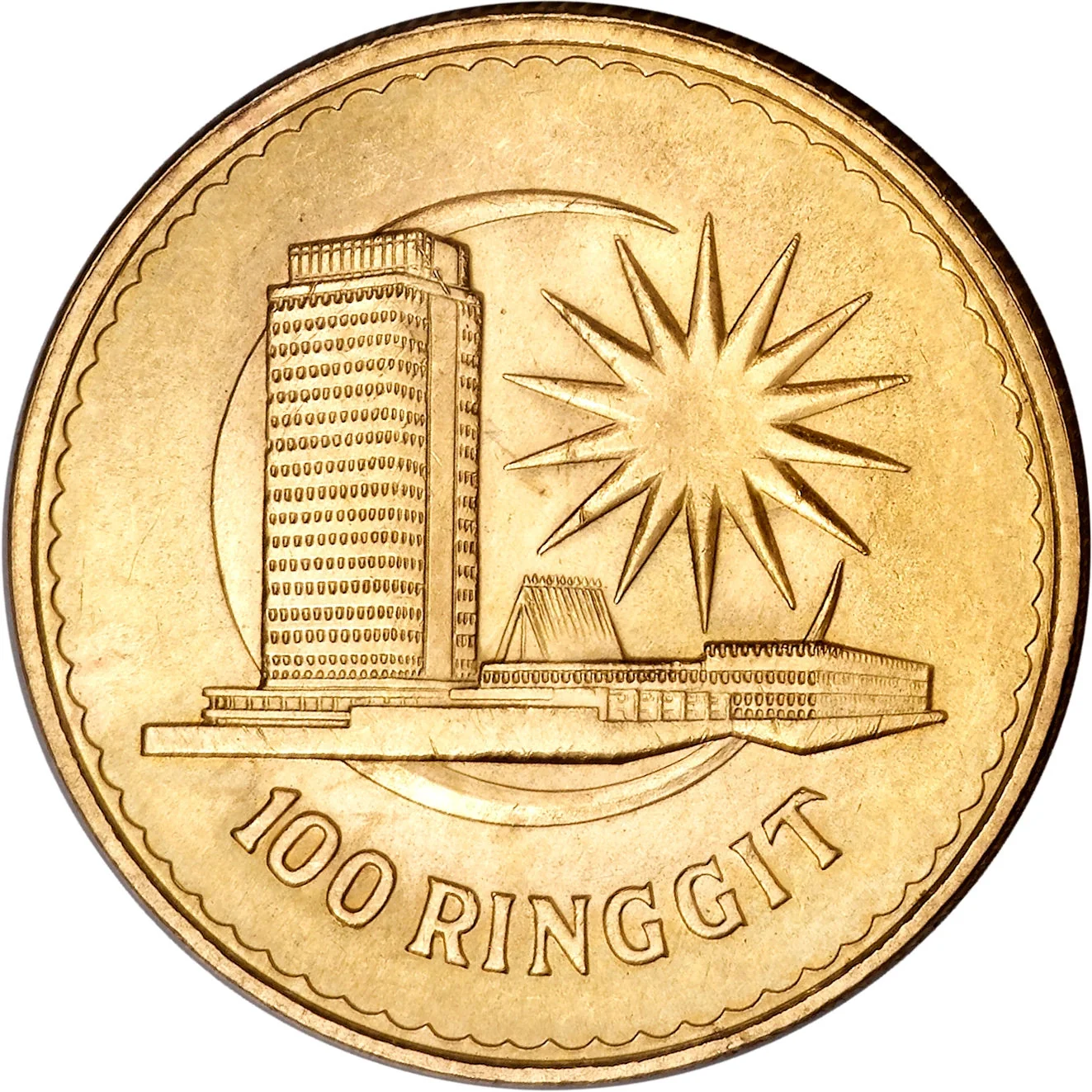
100 ringgit – Malaysia
Add to wishlist
Non-circulating coins
Commemoration: Prime Minister Tumku Abdul Rahman Putra Al-haj
Malaysia
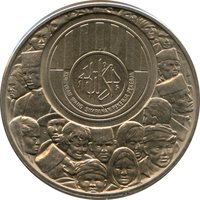
Obverse
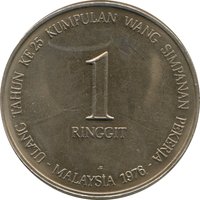
Reverse
Edge
Categories
| Person> Politician |
Mints
| Name | Mark |
|---|---|
| Perth Mint | — |
| Royal Canadian Mint of Ottawa | — |
Mintings
| Year | Mint Mark | Mintage | Quality | Collection |
|---|---|---|---|---|
| 1971 | — | 100,000 | ||
| 1971 | — | 500 | Proof |
Historical background
In 1971, Malaysia's currency situation was fundamentally shaped by the global monetary realignment triggered by the collapse of the Bretton Woods system. The Malaysian Ringgit (then the Malaysian Dollar) was pegged to the British Pound Sterling, a legacy of colonial economic ties. This peg became increasingly problematic as the Pound weakened and Britain itself faced economic difficulties, exposing Malaysia to imported inflation and exchange rate instability not of its own making.
The pivotal moment arrived in August 1971 when U.S. President Richard Nixon suspended the convertibility of the US dollar into gold, effectively ending the post-war fixed exchange rate regime. This "Nixon Shock" caused major international currencies to float, creating widespread uncertainty. For Malaysia, which relied heavily on commodity exports like rubber and tin, this volatility threatened the value of its export earnings and complicated economic planning.
In direct response to this global turmoil, Malaysia made a decisive shift in December 1971. It severed the link to the Pound Sterling and instead pegged the Ringgit to the US Dollar at a rate of RM 2.8185 to USD 1.00. This move was a strategic attempt to anchor the currency to the world's primary reserve currency, seeking greater stability for its trade and investment flows during a period of profound international financial disorder.
The pivotal moment arrived in August 1971 when U.S. President Richard Nixon suspended the convertibility of the US dollar into gold, effectively ending the post-war fixed exchange rate regime. This "Nixon Shock" caused major international currencies to float, creating widespread uncertainty. For Malaysia, which relied heavily on commodity exports like rubber and tin, this volatility threatened the value of its export earnings and complicated economic planning.
In direct response to this global turmoil, Malaysia made a decisive shift in December 1971. It severed the link to the Pound Sterling and instead pegged the Ringgit to the US Dollar at a rate of RM 2.8185 to USD 1.00. This move was a strategic attempt to anchor the currency to the world's primary reserve currency, seeking greater stability for its trade and investment flows during a period of profound international financial disorder.
💎 Extremely Rare