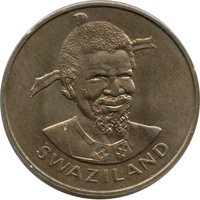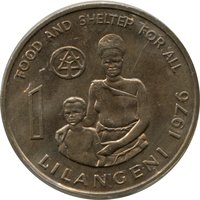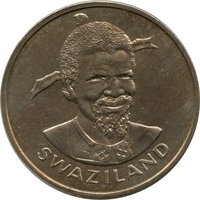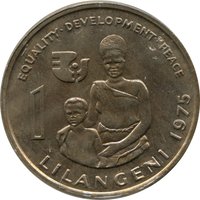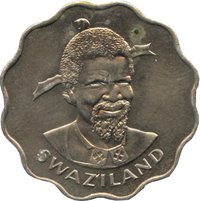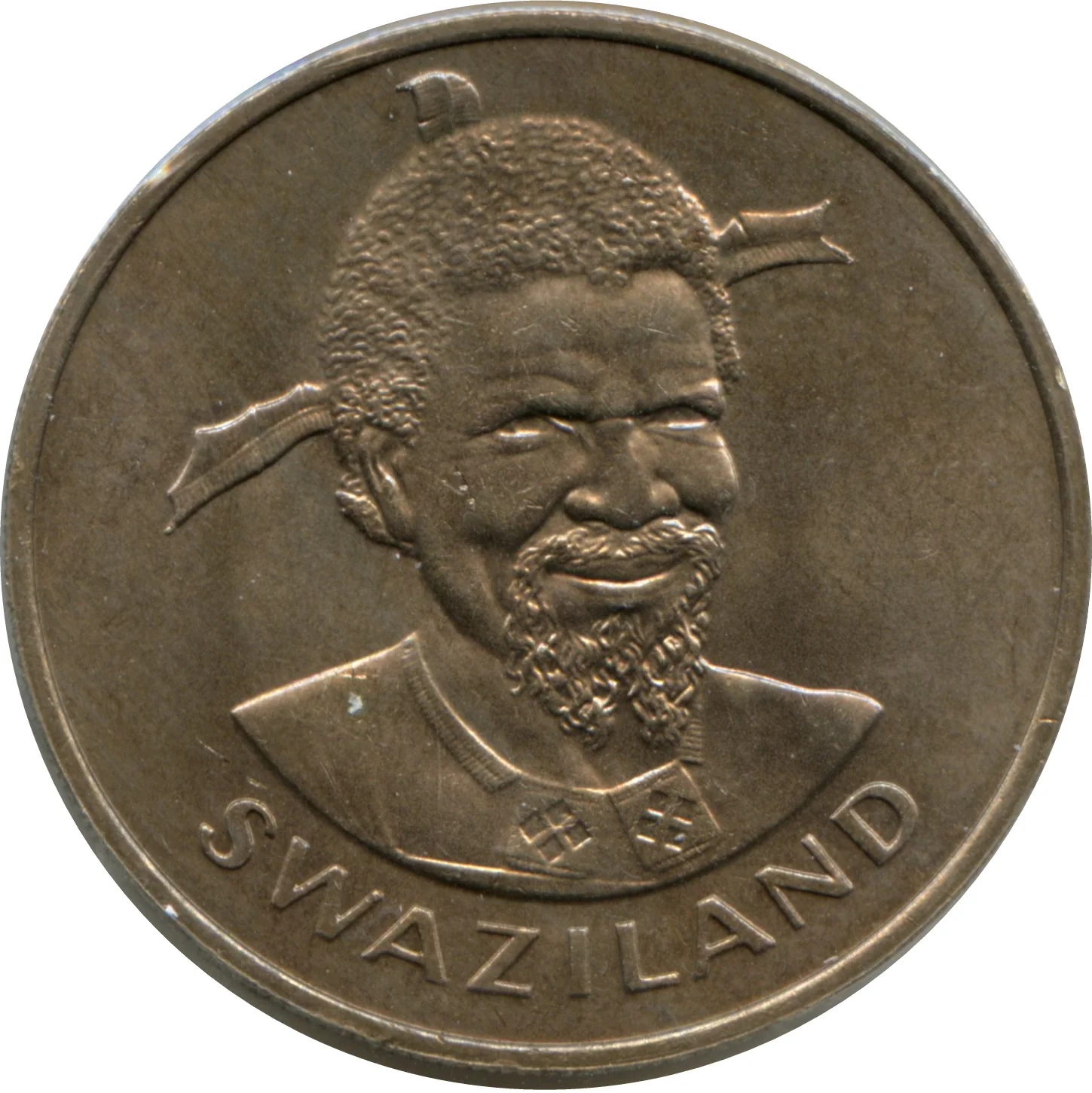
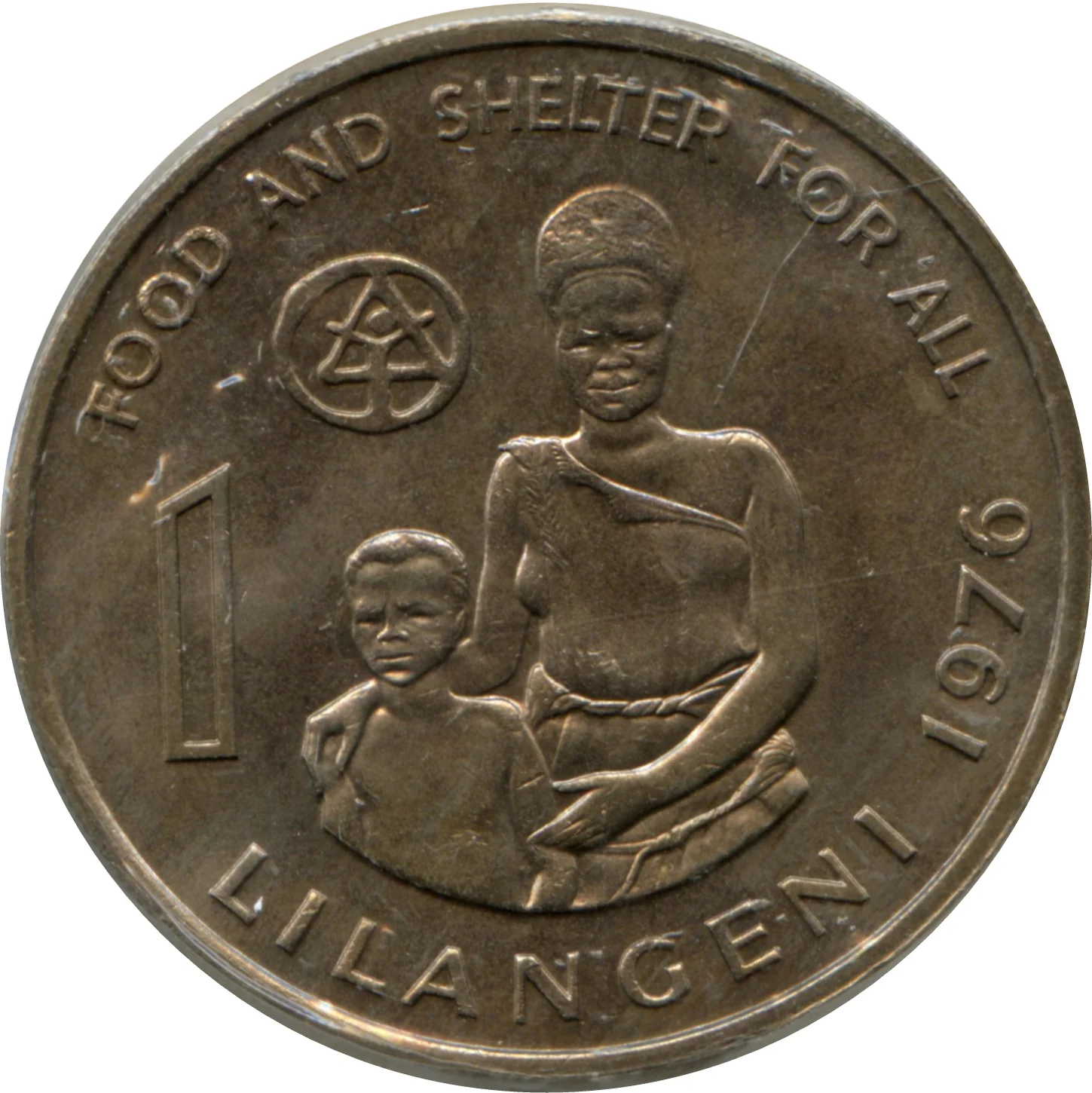
In 1976, the Kingdom of Swaziland (renamed Eswatini in 2018) was operating within the complex monetary framework of the
Rand Monetary Area (RMA). This agreement, formalized in 1974, bound Swaziland's currency, the
lilangeni (introduced in 1974), at par with the South African rand. The rand itself was legal tender in Swaziland, creating a de facto currency union where the South African Reserve Bank effectively dictated monetary policy for the region. This arrangement provided stability and facilitated seamless trade with its dominant neighbor, which was crucial for Swaziland's economy, but it also meant surrendering control over independent monetary policy and interest rates.
The year 1976 was significant as it marked Swaziland's assertive step toward greater financial sovereignty with the establishment of the
Central Bank of Swaziland. Prior to this, the Monetary Authority of Swaziland had managed currency issuance. The new central bank's creation was a symbolic and practical move to administer the lilangeni and develop domestic financial markets, even within the constraints of the RMA. This development reflected a broader national desire for institutional identity following independence from Britain in 1968, while pragmatically acknowledging economic dependence on South Africa.
Economically, the fixed parity to the rand in 1976 tied Swaziland's fortunes directly to South Africa's, which was experiencing economic strain and political isolation under apartheid. Inflation and capital flows impacting the rand automatically affected Swaziland. Therefore, while the currency situation provided transactional simplicity and anti-inflationary credibility, it was a double-edged sword. The background for 1976 is thus one of a careful balancing act: consolidating a national currency symbol through the new central bank, while remaining firmly anchored within a regional system dominated by South Africa, accepting limited sovereignty for perceived economic stability.